

Acne Scar Treatment in Bahrain
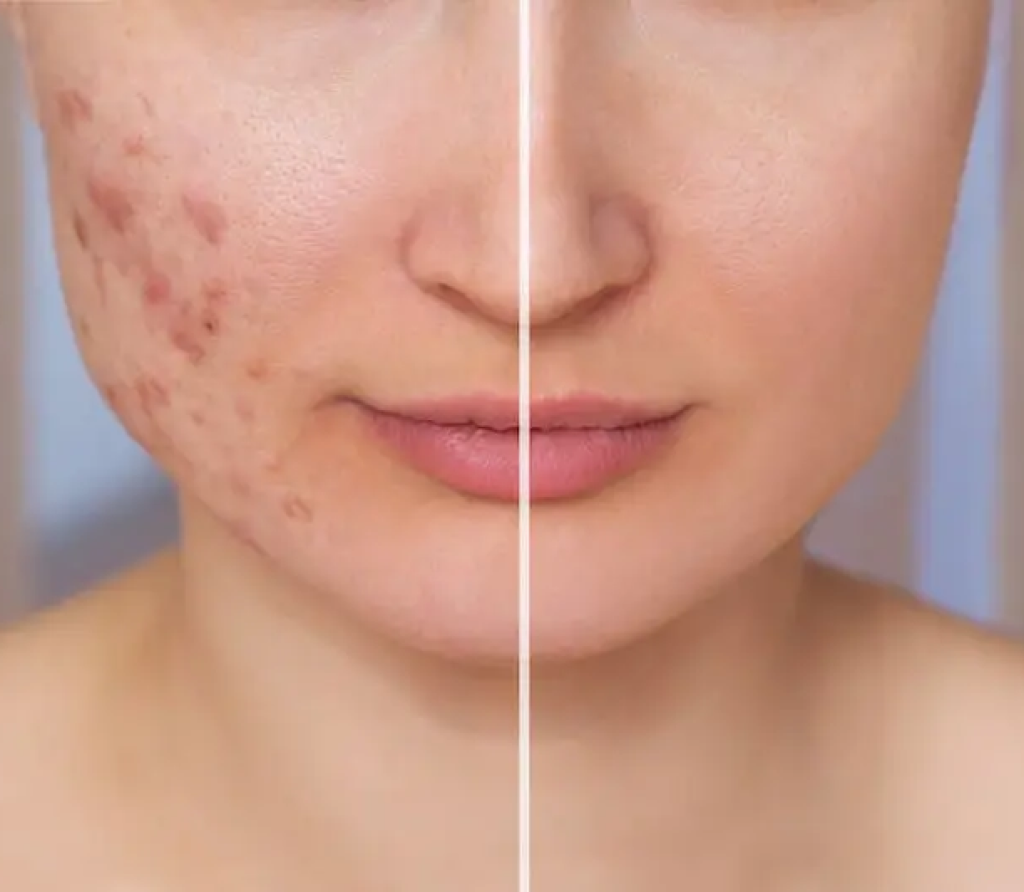
Understanding acne scars
Provided by our dermatology team: Dr. Amal Fakhry, Dr. Samar Fakhry and Dr. Noha Elsayed, Dermatology Specialists. Last updated October 2026.
Acne scars form when inflamed spots, especially deep cysts and nodules, damage the deeper layers of the skin. As the skin heals, it may make too little collagen, leaving a dip or pit, or too much, leaving a raised scar. How likely scarring is depends on the type and severity of acne, how long it lasts, picking or squeezing, and how your own skin heals.
It also helps to tell the difference between true scars and the flat red or brown marks that often follow a breakout. These marks are not scars and frequently fade over months, while scars change the texture of the skin and usually need treatment to improve.
At Stanford Clinics in Bahrain, a dermatologist examines your skin, identifies the types of scars you have and plans treatment with you. The main types of acne scars are:
- Atrophic (depressed) scars: the most common type, caused by loss of tissue. They include narrow, deep ice pick scars, wider boxcar scars with sharp edges, and rolling scars that give the skin a wavy look.
- Hypertrophic scars: raised, firm scars caused by too much collagen during healing, staying within the area of the original spot. They are more common on the chest, back and jawline.
- Keloid scars: raised scars that grow beyond the edges of the original spot. Some people are more prone to them, and they need careful treatment.
How we treat acne scars
There is no single treatment that suits every acne scar. Most people have more than one scar type, so the best plan often combines several treatments over a number of months. Your dermatologist will advise which option suits you.
Your consultation
Your dermatologist, from our team of doctors, examines your skin, identifies the scar types and their depth, and considers your skin type, medical history and any acne that is still active. Active acne is usually brought under control first, because new breakouts can cause new scars. You then agree a treatment plan together.
Treatment options
- Chemical peels: a solution is applied to remove the outer layers of skin in a controlled way, encouraging smoother new skin. Lighter peels such as salicylic and mandelic acid help with texture and the marks left after acne, while stronger peels such as TCA can be used for some shallow scars. Read more about chemical peels.
- Microdermabrasion: gentle exfoliation of the surface of the skin that can improve texture. It is a mild treatment and is best for very shallow irregularities.
- Microneedling: very fine needles create tiny channels in the skin that stimulate collagen, gradually softening rolling and shallow boxcar scars over a course of sessions. Read more about microneedling.
- Fractional laser resurfacing: the laser treats tiny columns of skin while leaving the skin around them intact, which stimulates collagen and helps the skin remodel. It is one of the main options for textured scars, with some downtime afterwards.
- Subcision: a fine needle is used under the skin to release the bands of scar tissue that pull rolling scars downwards.
- Dermal fillers: injected under depressed scars to lift them and smooth the surface. Results are immediate but temporary. Read more about dermal fillers.
- PRP and PRGF: a concentrate prepared from a small sample of your own blood, used on its own or alongside microneedling or other treatments to support healing. Read more about PRP treatment.
Raised scars, especially keloid scars, behave differently and need a different approach, which your dermatologist will discuss with you.
What happens during treatment
- Preparation: the skin is cleansed, and a numbing cream is applied for treatments that need it.
- Treatment: most sessions take around 20 to 60 minutes, depending on the treatment and the area.
- Aftercare: the skin is soothed and protected, and you receive written aftercare instructions.
- Review: follow-up visits let us check how your skin is responding and plan the next session.
Aftercare
- Use a gentle cleanser and moisturiser while the skin heals.
- Do not pick or scratch any flaking, crusting or peeling skin.
- Avoid the sun and use a broad-spectrum sunscreen every day, as treated skin is more prone to darkening.
- Pause strong active products such as retinoids and acids until your doctor says you can restart them.
- Avoid make-up, saunas, swimming and strenuous exercise for the period your doctor advises.
Recovery and results
Downtime depends on the treatment. Light peels and microdermabrasion usually cause only mild redness. Microneedling often causes redness for one to three days. Fractional laser, deeper peels and subcision can cause redness, swelling, bruising or peeling for around a week, sometimes longer.
Collagen rebuilds slowly, so improvement is gradual and continues for several months after a course of treatment. Most people need several sessions spaced a few weeks apart. Treatment can make scars noticeably less visible, but it does not usually remove them completely, and results vary between people.
Side effects and risks
Common effects are temporary redness, swelling, tenderness, flaking and, with needle-based treatments, bruising. Less common risks include darker or lighter patches of skin (more likely in darker skin types and after sun exposure), acne flare-ups, cold sore flare-ups and infection. Rarely, treatment can worsen scarring. Fillers carry their own specific risks, which your doctor will explain.
Some treatments may not be suitable, or may need to be delayed, if you have active acne or a skin infection in the area, are pregnant or breastfeeding, have a history of keloid scarring, or have recently taken isotretinoin or other medicines that affect skin healing. Please tell your doctor about your medical history and medications.
Cost
The cost of acne scar treatment depends on the scar types, the treatments recommended and the number of sessions you need, so we confirm a price after your consultation rather than quoting a fixed figure. Your dermatologist will explain the plan and the cost before treatment begins.
Frequently asked questions
Can acne scars be removed completely?
Usually not completely, but they can often be made much less noticeable. Your dermatologist will explain what is realistic for your skin.
How many sessions will I need?
It depends on the scar types and the treatments used. Many people need three to six sessions, sometimes more, spaced several weeks apart.
Can I be treated while I still have acne?
Active acne is usually treated first. Some gentle treatments can be used at the same time, and your doctor will advise which option suits you.
Are the dark marks after acne scars?
Flat red or brown marks are usually not true scars. They often fade over time with sun protection and suitable skincare, and some treatments can help them fade faster.
Is treatment painful?
Most treatments cause mild discomfort. A numbing cream is used for treatments such as microneedling and laser.
Is acne scar treatment suitable for darker skin?
Yes, many options can be used on darker skin, but settings and treatment choice are adjusted carefully to reduce the risk of pigment changes.
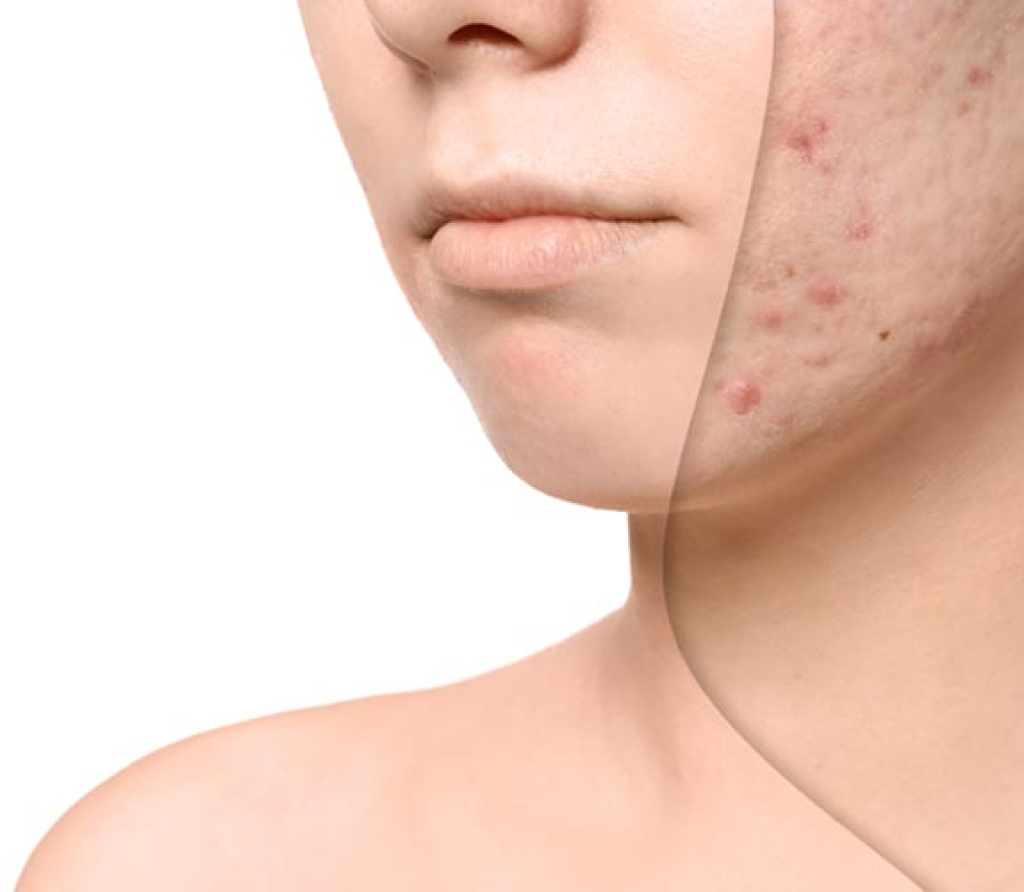
Book an acne scar treatment consultation at Stanford Clinics
If acne scars bother you, the first step is a consultation with one of our dermatologists at Stanford Clinics. We will examine your skin, explain which treatments are likely to help your scar types and recommend a plan that suits you.
Book your appointment online, call us or message us on WhatsApp. You can also find our contact details here.