

Mesotherapy in Bahrain
What is mesotherapy?
Provided by our dermatology team: Dr. Amal Fakhry, Dr. Samar Fakhry and Dr. Noha Elsayed, Dermatology Specialists. Last updated October 2026.
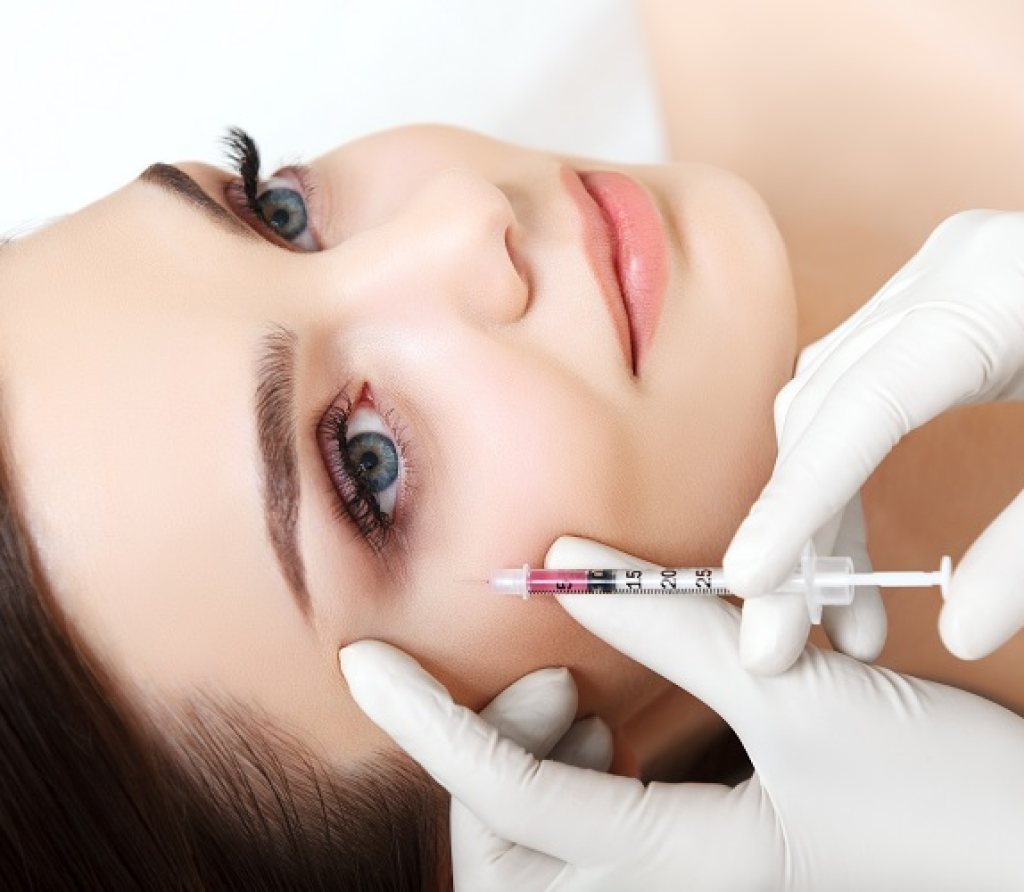
Mesotherapy is a minimally invasive treatment in which many tiny injections deliver a blend of active ingredients just under the surface of the skin or scalp. Depending on the product, these may include non-crosslinked hyaluronic acid, vitamins, amino acids and antioxidants.
On the face, neck and hands it is mainly used to improve hydration, glow and fine texture. On the scalp it can be used as part of a plan for some types of thinning hair. At Stanford Clinics in Bahrain, every mesotherapy treatment starts with a consultation with a dermatologist, who checks whether it is right for you and chooses the product to match your skin or scalp.
How mesotherapy works
Instead of applying products to the surface of the skin, mesotherapy places them directly into the middle layer of the skin (the dermis) with a very fine needle or a specialised injector. Hyaluronic acid draws in water and improves hydration, while the other ingredients are intended to support the skin’s own renewal.
Changes are gradual and build over a course of sessions. Results are usually subtle and natural rather than dramatic, and they vary from person to person. The main uses we offer are:
- Skin hydration and glow: for dull, dry or tired-looking skin.
- Fine lines and texture: softening superficial lines and improving smoothness.
- Neck, chest and hands: improving dryness and crepey skin.
- Thinning hair: as part of a plan for certain types of hair loss.
What mesotherapy can help with
Mesotherapy is best suited to improving skin quality rather than changing shape or volume. Your dermatologist may suggest it for the concerns below.
Dull or dehydrated skin
Skin that looks tired, dull or feels dry can benefit from the hydrating effect of hyaluronic acid-based mesotherapy. Many people notice a fresher, more even glow after a course of treatment.
Fine lines and early signs of ageing
Mesotherapy can soften very fine, superficial lines and improve skin smoothness. Deeper wrinkles and lines caused by muscle movement usually respond better to other treatments, such as Botox or fillers.
Uneven skin texture
By improving hydration and supporting the skin’s natural renewal, mesotherapy can help skin feel smoother and look more refined, particularly when combined with a good daily skincare routine.
Uneven skin tone
Some mesotherapy blends include ingredients aimed at brightening the skin. These may help as part of a wider plan for dullness or mild uneven tone, alongside sun protection and suitable skincare. Pigmentation conditions such as melasma usually need a combined, longer-term approach.
Neck, décolletage and hands
The skin on the neck, chest and backs of the hands is thin and often shows dryness and crepiness early. Mesotherapy can be used in these areas to improve hydration and skin quality.
Thinning hair
Scalp mesotherapy delivers ingredients to the area around the hair follicles. It may help some people with certain types of thinning hair, but evidence is mixed and results vary. Hair loss has many causes, so your dermatologist will first assess the type and cause, which may include blood tests, and may combine mesotherapy with other proven treatments.
Who mesotherapy suits
Mesotherapy may suit adults in good general health who want to improve skin hydration, glow and fine texture, or who are looking for support for certain types of thinning hair. It is suitable for many skin types and tones, and your dermatologist will adapt the product and technique to your skin. Results vary, and the best candidates are people looking for gradual, natural-looking improvement.
Who should not have mesotherapy
Mesotherapy is not recommended during pregnancy or breastfeeding, if you have an active skin infection, cold sores, or inflamed acne in the area, or if you are allergic to any of the ingredients. It may also not be suitable if you have a bleeding disorder, take blood-thinning medication, have poorly controlled diabetes, an active autoimmune condition, or are being treated for cancer. Please tell your doctor about your full medical history and medications.
What mesotherapy cannot do
Mesotherapy does not lift sagging skin, add significant volume or replace surgery. It is not a treatment for weight loss, and the evidence for using it to reduce body fat or cellulite is limited, so your doctor will advise whether it is suitable for you. Your dermatologist will be honest about what it can realistically achieve for you.
How many sessions you may need
Most people need a course of treatments to see a difference. For the face, this is often 3 to 4 sessions spaced 2 to 4 weeks apart. Scalp treatments usually need more sessions over several months. Your dermatologist will recommend a plan based on your skin or scalp and your goals.
Results and how long they last
Skin often looks more hydrated within a few days of a session, with further improvement over the course. Results are temporary because the skin naturally continues to age, so many people choose maintenance sessions every few months. For hair, any change is gradual and is usually judged after several months. How long results last varies from person to person.
Combining mesotherapy with other treatments
Mesotherapy is often combined with other treatments for a more complete result. For example, it can complement Botox for expression lines, dermal fillers for volume loss, or peels and laser treatments for tone and texture. Your dermatologist will plan the order and timing of treatments safely.


Mesotherapy compared with other treatments
Mesotherapy and Botox
Mesotherapy and Botox do different jobs. Botox relaxes the muscles that cause expression lines such as frown lines and crow’s feet. Mesotherapy does not affect muscles; it aims to improve the quality, hydration and glow of the skin. The two can be used together.
Mesotherapy and dermal fillers
Dermal fillers use a thicker gel to restore volume and shape in specific areas, such as the cheeks or lips. Mesotherapy uses lighter products spread across the skin to improve its quality rather than its shape. Combining both can address volume and skin quality at the same time.
What happens during your appointment
- Step 1: Consultation
Your dermatologist reviews your medical history and medications, examines your skin or scalp, and discusses your goals. If mesotherapy is suitable, they will recommend the product, the number of sessions and any other treatments that may help.
- Step 2: Treatment session
The skin is cleansed and a numbing cream may be applied to make the injections more comfortable. Many very small injections are then made across the treatment area with a fine needle or injector. A session usually takes around 30 to 45 minutes, including preparation. Most people feel mild stinging or pressure.
- Step 3: Aftercare
Small bumps, redness and tiny marks at the injection points are normal and usually settle within 1 to 3 days. To help your skin recover:
- avoid makeup for 12 to 24 hours
- avoid strenuous exercise, saunas, steam rooms and swimming for 24 hours
- do not touch or rub the treated area
- pause retinoids, exfoliating acids and scrubs for a few days
- use a broad-spectrum sunscreen and avoid strong sun exposure
- after scalp treatment, wait until the next day to wash your hair
Side effects and risks
Mesotherapy is generally well tolerated when performed by a trained doctor with sterile technique. Common, temporary side effects include:
- Redness and small bumps at the injection points
- Swelling or mild tenderness
- Bruising or tiny pinpoint marks
- Itching or a tight feeling in the skin
These usually settle within a few days. Less common risks include infection, an allergic reaction to an ingredient, small lumps or nodules, and temporary darkening of the skin (post-inflammatory hyperpigmentation), which is more likely in darker skin types. Contact us if you notice increasing pain, swelling, warmth, pus or a rash after treatment.
Mesotherapy cost in Bahrain
The cost of mesotherapy depends on the area treated, the product used and the number of sessions you need, so we confirm a price after your consultation rather than quoting a fixed figure. Your dermatologist will explain the plan and the cost before any treatment begins.
Frequently asked questions
Does mesotherapy hurt?
Most people feel mild stinging or pressure. A numbing cream can be applied to the face beforehand to make it more comfortable.
Is there any downtime?
Most people return to work the same or next day. Small bumps and redness usually fade within 1 to 3 days, and occasional bruises may take a little longer.
How many sessions will I need?
For the face, often 3 to 4 sessions a few weeks apart, followed by maintenance if you wish. Scalp treatments usually need more sessions.
When will I see results?
Skin may look more hydrated within days, with gradual improvement over the course. Hair changes take several months to assess.
Is mesotherapy the same as a skin booster?
They are closely related. Both deliver hydrating products into the skin with small injections; the exact product and technique differ.
Who should not have mesotherapy?
It is not recommended during pregnancy or breastfeeding, with an active skin infection in the area, or if you are allergic to any ingredient. Tell your doctor about your medical history and medications at your consultation.
Book a mesotherapy consultation at Stanford Clinics
If you are considering mesotherapy for your skin or hair, the first step is a consultation with one of our dermatologists. We will assess your skin or scalp, explain what mesotherapy can and cannot do for you, and recommend a plan that suits you, whether that is mesotherapy alone or combined with other treatments.
Book your appointment online, call us or message us on WhatsApp. You can also find our contact details here.