

Botox in Bahrain
Facial Injectables
Overview
Provided by our dermatology team: Dr. Amal Fakhry, Dr. Samar Fakhry and Dr. Noha Elsayed, Dermatology Specialists. Last updated October 2026.
Botox is one of the most widely used non-surgical treatments for softening expression lines on the face. A few small injections relax the specific muscles that crease the skin when you frown, squint or raise your eyebrows, so lines look smoother while you keep natural movement.
At Stanford Clinics in Bahrain, every Botox treatment starts with a consultation with a dermatologist, who assesses your facial anatomy, discusses what you would like to change and plans a dose that suits you.
What is Botox?
Botox is a brand name for botulinum toxin type A, a purified protein used in medicine for decades. In aesthetic treatment it is injected in very small, measured amounts into selected facial muscles.
It works best on dynamic wrinkles, the lines that appear with movement, such as frown lines and crow’s feet. Deep lines that are visible even when your face is relaxed may soften but often need a combined plan, for example with dermal fillers or skin boosters, which your dermatologist can discuss with you.
Areas treated with Botox
Your dermatologist will recommend areas based on your assessment. Commonly treated areas include:
- Frown lines: the vertical "11" lines between the eyebrows.
- Forehead lines: horizontal lines that appear when you raise your eyebrows.
- Crow's feet: fine lines at the outer corners of the eyes.
- Bunny lines: creases on the sides of the nose when you scrunch it.
- Brow lift: a subtle lift of the tail of the eyebrow.
- Gummy smile: reducing how much gum shows when you smile.
- Chin dimpling: smoothing an "orange peel" texture on the chin.
- Jawline (masseter): slimming the lower face or easing teeth clenching.
- Neck bands: softening vertical bands on the neck.
- Excessive sweating: reducing underarm or palm sweating (hyperhidrosis).
How Botox works
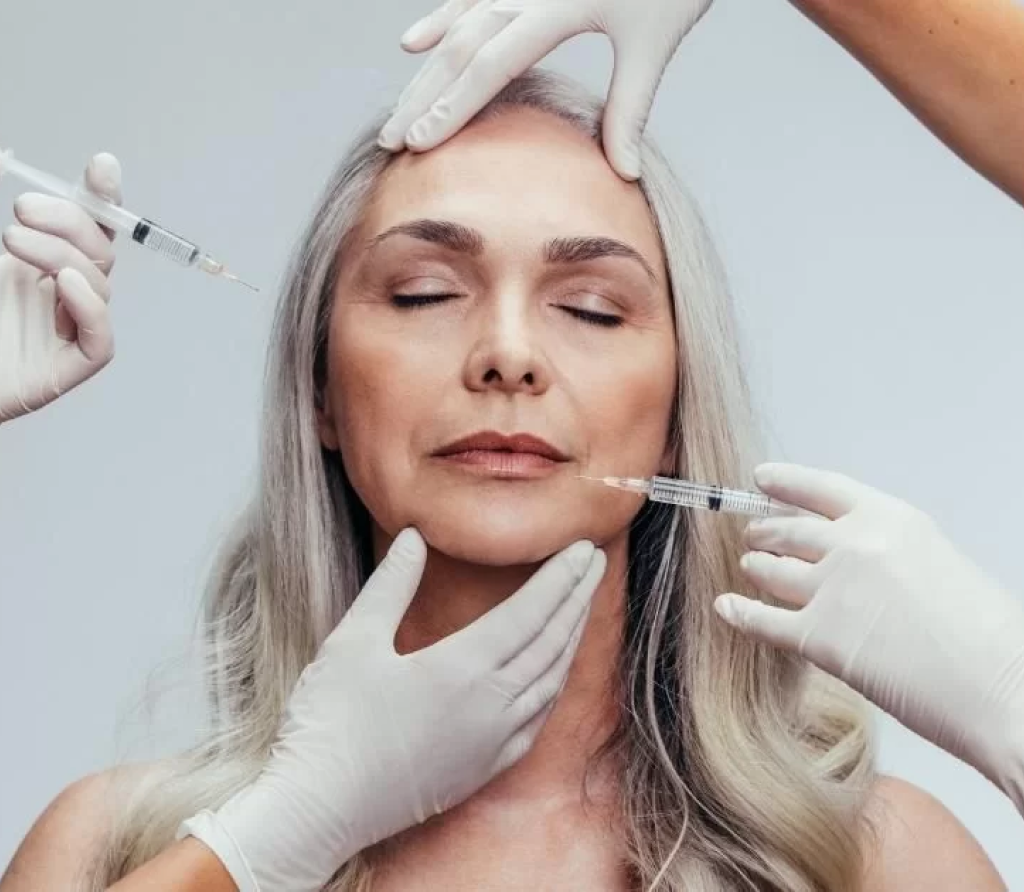
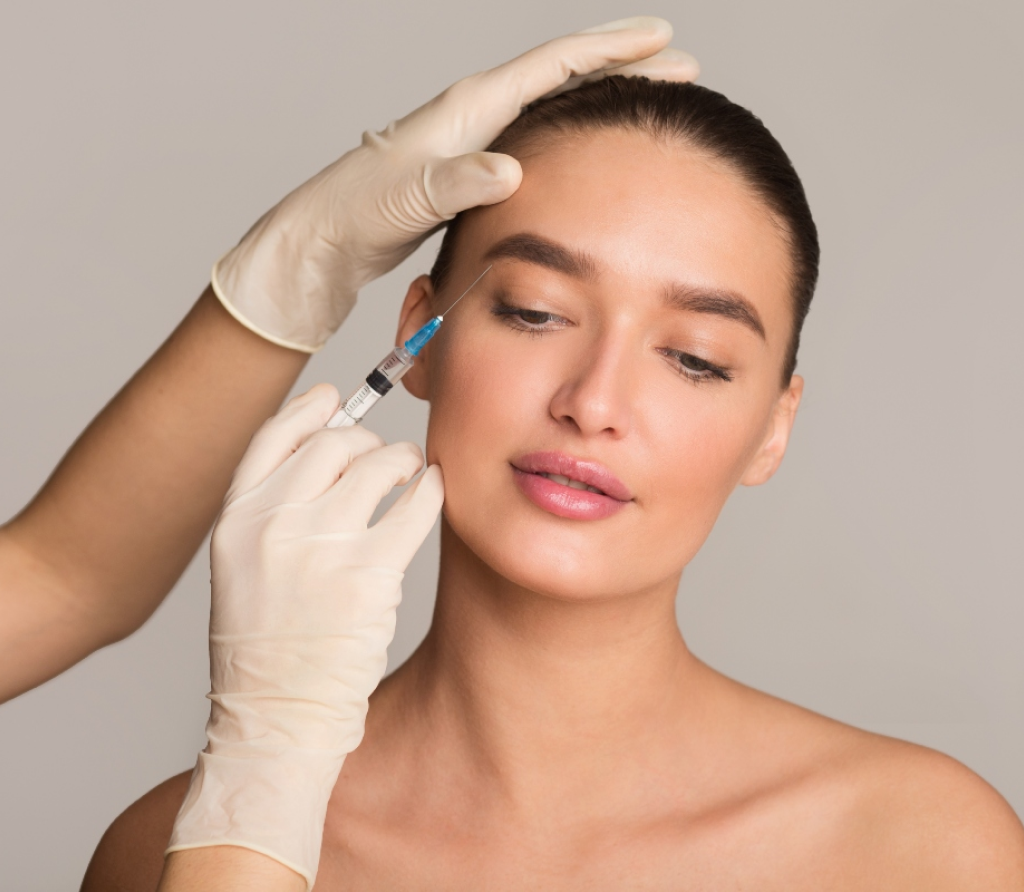
Muscles contract when they receive a signal from a nerve. Botulinum toxin temporarily blocks that signal at the injection site, so the treated muscle relaxes and the skin above it creases less.
The effect is gradual and temporary. Over the following months the nerve endings form new connections and muscle activity returns, which is why results last for a limited period and treatments are repeated if you wish to maintain them.
What happens during your appointment
A typical Botox appointment takes around 20 to 30 minutes, including the consultation:
- Consultation: your dermatologist reviews your medical history, assesses your facial movement and agrees the treatment plan with you.
- Preparation: the skin is cleansed and the injection points are marked. Ice or a numbing cream can be used if needed.
- Injections: small amounts are injected into the planned points with a very fine needle. This usually takes 10 to 15 minutes.
- Check: the area is gently cleaned and you receive your aftercare instructions.
- Review: a follow-up around two weeks later lets us check the result.
Aftercare
Simple aftercare helps the product stay where it was placed and reduces bruising:
- Stay upright for 4 hours and avoid lying face down.
- Do not rub or massage the treated areas for 24 hours.
- Avoid strenuous exercise, saunas and steam rooms for 24 hours.
- Wait until the next day before facials, facial massage or other skin treatments.
Recovery and results
Most people return to normal daily activities straight away. Small bumps at the injection points usually settle within an hour, and any redness or minor bruising fades within a few days.
Results start to appear after 3 to 5 days and are usually fully visible at around two weeks. They typically last 3 to 4 months, although this varies from person to person. We usually offer a review around two weeks after your first treatment to check the result.
Like any medical treatment, Botox can have side effects. The most common are temporary bruising, swelling, tenderness or headache. Less commonly, a temporary droop of the eyelid or eyebrow can occur. Your dermatologist will explain the risks during your consultation and check whether Botox is suitable for you; it is not recommended during pregnancy or breastfeeding, or for people with certain neuromuscular conditions.
Why patients choose Botox
When planned and injected by a qualified doctor, Botox offers:
- A quick treatment with no surgery and little or no downtime.
- Softer frown lines, forehead lines and crow's feet.
- Natural-looking results when the dose is tailored to you.
- Gradual results that settle over about two weeks.
- Effects that wear off over time, so you stay in control of future treatments.
- Medical uses as well as cosmetic ones, such as excessive sweating and teeth clenching.
Botox cost in Bahrain
The cost of Botox depends on the areas treated and the number of units your face needs, so we confirm a price after your consultation rather than quoting a fixed figure. Your dermatologist will explain the plan and the cost before any treatment begins.
Frequently asked questions
Does Botox hurt?
Most patients describe a brief pinch. Very fine needles are used, and ice or a numbing cream can be applied if you are sensitive.
Will I still look natural?
Botox is dosed to soften lines, not to freeze your expression. Your dermatologist adjusts the amount for each muscle, and a follow-up visit lets us fine-tune if needed.
How long does Botox last?
Usually 3 to 4 months. Many people find results last a little longer after regular treatments.
When will I see results?
Changes begin after 3 to 5 days, with the full result at around two weeks.
Can I exercise after Botox?
Please avoid strenuous exercise, saunas and steam rooms for 24 hours.
Who should not have Botox?
Botox is not recommended during pregnancy or breastfeeding, if there is an infection at the injection site, or for people with certain neuromuscular conditions. Tell your doctor about your medical history and medications at your consultation.
Book a Botox consultation at Stanford Clinics
If you are considering Botox, the first step is a consultation with one of our dermatologists. We will listen to your goals, examine your skin and facial movement, and recommend a plan that suits you, whether that is Botox alone or combined with other treatments.
Book your appointment online, call us or message us on WhatsApp. You can also find our contact details here.