

Breast Surgeries in Bahrain

Provided by our consultant plastic surgeons at Stanford Clinics. Last updated October 2026.
Breast surgery covers a group of operations that change the size, shape or position of the breasts, or restore them after illness, pregnancy or weight change. For men, it includes surgery to reduce enlarged breast tissue.
People choose breast surgery for different reasons, from physical discomfort to how they feel about their appearance. At Stanford Clinics in Bahrain, every patient starts with a private consultation with one of our consultant plastic surgeons, who will listen to your concerns, examine you and explain honestly what each option can and cannot achieve, so you can make a decision that is right for you.
Why people consider breast surgery
Breast surgery can help with a range of concerns. Your surgeon will discuss which apply to you.
Appearance
- Size: breasts that feel too small or too large for your frame.
- Shape and position: breasts that have dropped or lost firmness.
- Volume loss: changes after pregnancy, breastfeeding or weight loss.
- Asymmetry: a noticeable difference between the two breasts.
- Male chest: enlarged breast tissue in men (gynecomastia).
Physical comfort
- Pain: back, neck or shoulder pain linked to heavy breasts.
- Bra strap grooves: deep marks in the shoulders.
- Skin irritation: rashes or infections in the fold under the breasts.
- Activity: difficulty exercising or finding clothes that fit.
Problems with existing implants
- Implant review: replacing or removing older implants.
- Complications: hardening around an implant, rupture or a change in position.
Reconstruction
- After cancer treatment: restoring breast shape after mastectomy, planned with your breast cancer team.
- Developmental differences: correcting significant asymmetry or underdeveloped breasts.
Breast surgery procedures at Stanford Clinics
Our consultant plastic surgeons offer the procedures below. Most breast operations are performed under general anaesthesia and take around 1 to 4 hours, depending on the procedure. Your surgeon will recommend the approach that best suits your body, your goals and your health, and may suggest combining procedures where this makes sense.
Breast augmentation
Breast augmentation increases breast size or restores volume lost after pregnancy or weight loss. It is most often done with silicone implants; for a more modest change, your own fat may be transferred from another area of the body. The aim is a result that is in proportion with your frame.
- Incisions: usually in the fold under the breast, sometimes around the areola or in the armpit.
- Placement: above or below the chest muscle, depending on your tissue.
- Recovery: many people return to desk work after about a week.
Breast reduction
Breast reduction removes breast tissue, fat and skin to make large, heavy breasts smaller, lighter and better shaped. Many patients have it to ease physical symptoms such as back, neck and shoulder pain. The nipple is moved higher as part of the operation.
- Relief: may ease back, neck and shoulder discomfort.
- Scars: usually around the areola and down the breast, sometimes in the fold.
- Breastfeeding: may be affected; discuss future plans with your surgeon.
Breast lift (mastopexy)
A breast lift raises and reshapes breasts that have dropped or lost firmness, often after pregnancy, breastfeeding, weight loss or with age. Excess skin is removed and the nipple is moved to a higher position. A lift does not add volume on its own, but it can be combined with an implant if fullness is also a concern.
- Shape: a higher, more lifted breast and nipple position.
- Combination: can be paired with an implant to restore fullness.
- Longevity: ageing, pregnancy and weight change will still affect the breasts.
Breast reconstruction
Breast reconstruction rebuilds the shape of a breast after mastectomy or other breast surgery, or corrects significant differences in breast development. It can be done at the same time as a mastectomy or later. Reconstruction after cancer treatment is planned together with your breast cancer team, and often takes more than one stage.
- Timing: at the time of mastectomy or at a later date.
- Methods: implants or your own tissue, depending on your situation.
- Stages: often more than one operation, including nipple reconstruction.
Gynecomastia surgery (male breast reduction)
Gynecomastia is an enlargement of breast tissue in men. It is common, and it may be linked to hormones, weight, certain medicines or anabolic steroids. Possible causes are checked before surgery. Treatment usually combines liposuction to remove fat with removal of the firmer gland tissue through a small incision at the edge of the areola.
- Assessment first: possible causes are checked before surgery is planned.
- Small scars: usually at the edge of the areola and tiny liposuction points.
- Recovery: a compression vest is usually worn for several weeks.

Your consultation and preparation
Careful planning before surgery helps you make an informed choice and supports a safe recovery.
Consultation
At your consultation, your surgeon will ask about your goals, medical history, medicines, previous surgery and any family history of breast cancer. They will examine and measure your breasts or chest, discuss your options and take photographs for your records.
Your surgeon will also explain the likely scars, recovery and risks, and what results are realistic for your body. You may be asked to have a breast scan or mammogram before surgery, depending on your age and history.
Surgery may need to wait, or may not be suitable, if you are pregnant or breastfeeding (it is usually best to wait several months after stopping), are still losing weight, smoke, have medical conditions that are not well controlled, or have a breast lump that needs investigating first. You are welcome to take time to think before deciding.
Preparing for surgery
We will give you written instructions before your operation, including:
- Medicines: pause blood-thinning medicines and supplements only as advised.
- Smoking: stop smoking and nicotine for several weeks before and after surgery.
- Fasting: follow the eating and drinking instructions for the day of surgery.
- Support: arrange for someone to take you home and help you for the first days.
- Garments: have a supportive surgical bra or compression vest ready, as advised.
What happens on the day of surgery
On the day of your operation, our team will check your details, answer any last questions and make sure you are comfortable. In general, the steps are:
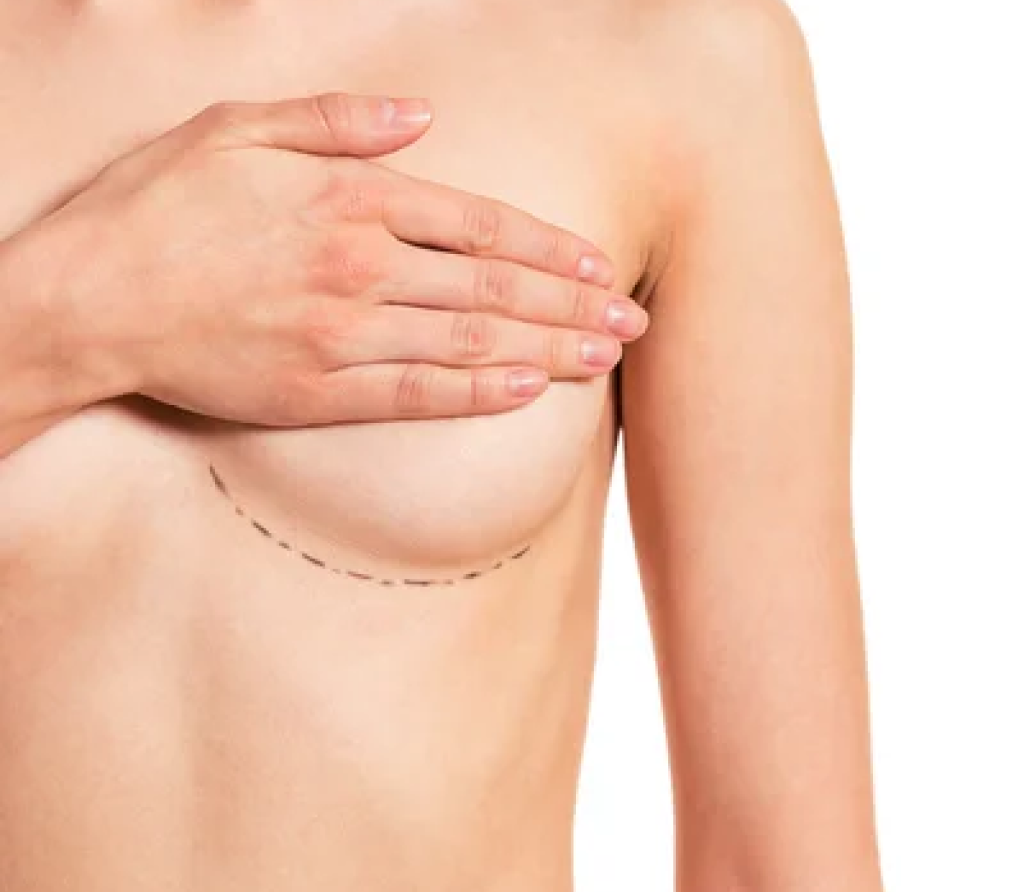
- Marking: your surgeon marks the planned incisions with you sitting or standing.
- Anaesthesia: the anaesthetist checks your health and puts you to sleep.
- The operation: the planned procedure is carried out and incisions are closed with stitches.
- Recovery room: you are monitored until you are awake and comfortable, then go home the same day or after an overnight stay.
Scarring: all breast operations leave permanent scars. Their position depends on the procedure: in the fold under the breast or around the areola for augmentation; around the areola, often with a vertical line and sometimes a line in the fold for reduction and lift; and small scars at the edge of the areola for gynecomastia. Scars usually fade over 12 to 18 months, but how they heal varies between people and skin types.
Risks: as with any surgery, risks include bleeding or a collection of blood (haematoma), infection, slow wound healing, asymmetry, changes in nipple or breast sensation, thick or raised scars, blood clots, anaesthetic risks, and the possibility of further surgery. Breast reduction and lift can affect the ability to breastfeed.
Implant-specific risks include hardening of the scar tissue around the implant (capsular contracture), rupture or leakage, the implant moving or visible rippling, and the need to replace or remove implants in the future, as implants are not lifetime devices. A rare type of lymphoma (BIA-ALCL) has been linked mainly to textured implants. Your surgeon will discuss these in detail.
Recovery, results and cost
Recovery: expect swelling, bruising, tightness and discomfort for the first days, managed with prescribed medicines. Many people return to desk-based work after about 1 to 2 weeks for augmentation or gynecomastia surgery, and after about 2 to 3 weeks for reduction or lift. Strenuous exercise and heavy lifting are usually avoided for around 6 weeks.
Results: the new shape is visible straight away but settles over 3 to 6 months as swelling goes down. Results are long-lasting, but ageing, pregnancy and weight changes will still affect the breasts over time, and results vary between people.
Cost: the cost depends on the procedure, whether implants are used, whether procedures are combined, anaesthesia and hospital stay. We confirm a price after your consultation rather than quoting a fixed figure.
Frequently asked questions
How long do breast implants last?
Implants are not lifetime devices. Many last for many years, but some people need further surgery to replace or remove them. Your surgeon will explain follow-up and when to seek a review.
Can I breastfeed after breast surgery?
Many women can breastfeed after augmentation. Reduction and lift involve more changes to the breast tissue and can reduce the ability to breastfeed. Please mention any plans for children at your consultation.
Will I lose nipple sensation?
Changes in sensation are common after breast surgery. They usually improve over months, but can sometimes be permanent.
Is it better to wait until after having children?
Pregnancy and breastfeeding can change breast size and shape, so many women prefer to wait. Your surgeon will discuss timing with you.
Do implants affect mammograms?
Breast screening is still possible with implants, but extra views may be needed. Always tell the radiographer that you have implants.
Does gynecomastia always need surgery?
Not always. In teenagers it often settles on its own, and stopping a medicine or substance that causes it can help. Surgery is considered when it persists.
Aftercare checklist
To support healing:
- Wear your garment: a supportive bra or compression vest day and night, as instructed.
- Rest and walk: rest, but take short walks from the first day to help prevent blood clots.
- Sleep on your back: with your upper body slightly raised for the first weeks.
- Avoid strain: no heavy lifting, reaching above your head or strenuous exercise for around 6 weeks.
- Medicines: take them as prescribed and keep wounds clean and dry.
- Follow-up: attend all review appointments so we can check your healing.
- Warning signs: contact us promptly about fever, increasing pain, one-sided swelling or redness.
Book a breast surgery consultation at Stanford Clinics
If you are considering breast surgery, the first step is a private consultation with one of our consultant plastic surgeons. We will listen to your concerns, examine you, and explain the options, scars, recovery and risks clearly, so you can decide in your own time.
Book your appointment online, call us or message us on WhatsApp. You can also find our contact details here.