

Tummy Tuck Bahrain
What is a tummy tuck?
Provided by our consultant plastic surgeons at Stanford Clinics. Last updated October 2026.
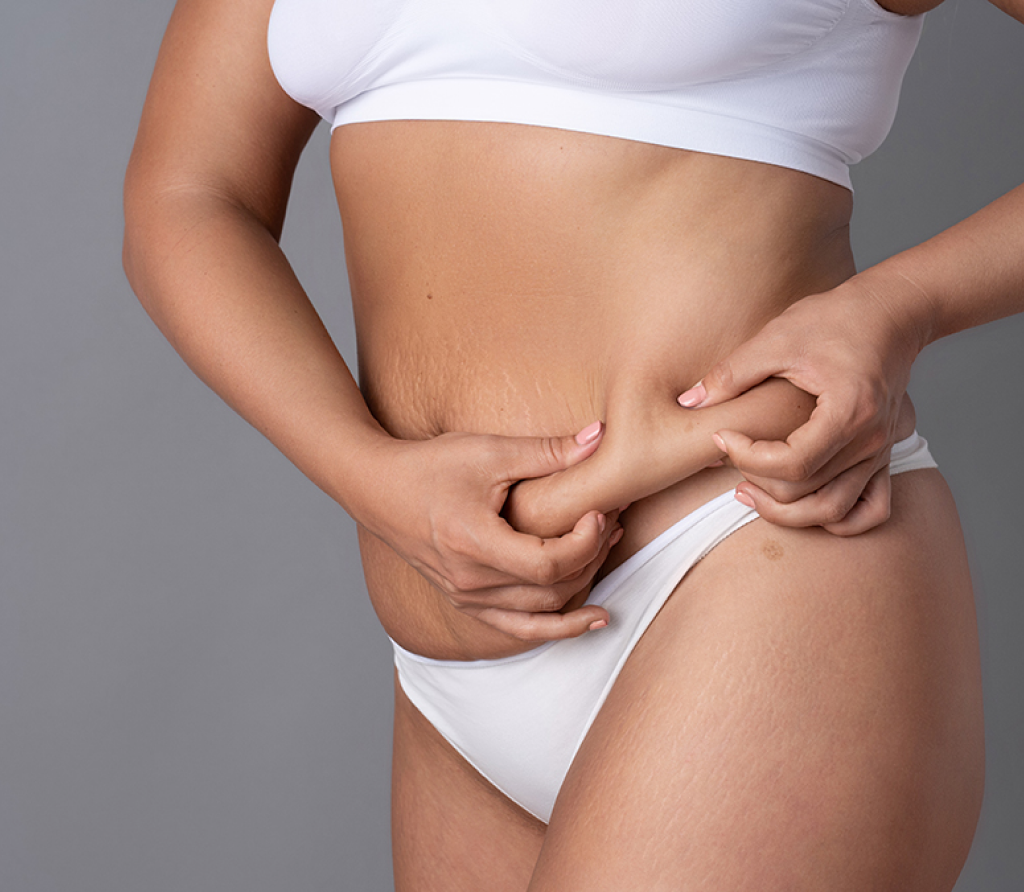
A tummy tuck, or abdominoplasty, is an operation that removes excess skin and fat from the lower abdomen and, where needed, tightens stretched or separated tummy muscles. It is designed for loose or overhanging abdominal skin that diet and exercise cannot change, often after pregnancy or significant weight loss.
A tummy tuck is not a weight-loss procedure, and it leaves a permanent scar across the lower abdomen. At Stanford Clinics in Bahrain, every tummy tuck starts with a consultation with a consultant plastic surgeon, who examines you, reviews your medical history and explains what the operation can realistically achieve. Suitability is decided at this consultation, and results vary between people.
Who may benefit from a tummy tuck?
People usually consider a tummy tuck for one or more of these reasons:
- Changes after pregnancy: pregnancy can stretch the skin and separate the tummy muscles (diastasis recti) beyond their ability to recover fully.
- After significant weight loss: loose, overhanging skin can remain even when weight is stable.
- Ageing: skin loses elasticity over time and may become loose.
You may be a suitable candidate if you are in good general health, at or near a stable weight that you can maintain, do not smoke (or can stop for several weeks before and after surgery), and have realistic expectations. A tummy tuck is usually best delayed if you are planning future pregnancies or still losing weight, as both can change the result. It may not be suitable if you have certain uncontrolled medical conditions, such as heart or lung disease or diabetes, a bleeding disorder, or a history of blood clots. Your surgeon will advise which option suits you.
Types of tummy tuck
There are several variations of the tummy tuck. The right one depends on how much loose skin and fat you have, where it is, and whether the muscles need repair. Your surgeon will advise which option suits you.
Full (traditional) tummy tuck: a horizontal incision across the lower abdomen, usually from hip to hip, allows removal of excess skin and fat and tightening of the abdominal muscles. The belly button is repositioned through a small incision around it.
Mini tummy tuck: for a smaller amount of loose skin below the belly button. It uses a shorter incision and recovery is often quicker, but it cannot correct skin above the belly button.
Extended tummy tuck: a longer incision that also treats the flanks (sides), often after substantial weight loss.
Fleur-de-lis tummy tuck: combines horizontal and vertical incisions to remove excess skin in both directions, usually after major weight loss. It leaves a longer, vertical scar as well as the horizontal one.
A tummy tuck may also be combined with liposuction or other procedures, which can affect recovery and risk.
Before your surgery
Consultation and assessment: your surgeon reviews your medical history and medications, examines your abdomen and agrees the most appropriate technique with you. Blood tests or other checks may be requested.
Preparation: you will receive detailed instructions before surgery. These usually include stopping smoking for several weeks before and after surgery, pausing certain medications and supplements that increase bleeding, and planning help at home for the first weeks. Your blood clot risk will also be assessed so that the right prevention measures can be planned.
Anaesthesia: a tummy tuck is generally performed under general anaesthesia. Your anaesthetist will discuss this with you and answer your questions before the operation.
What happens during a tummy tuck
The operation usually takes around two to five hours, depending on the type of tummy tuck and whether other procedures are combined. Your surgeon will tell you whether an overnight stay is recommended. The main steps are:
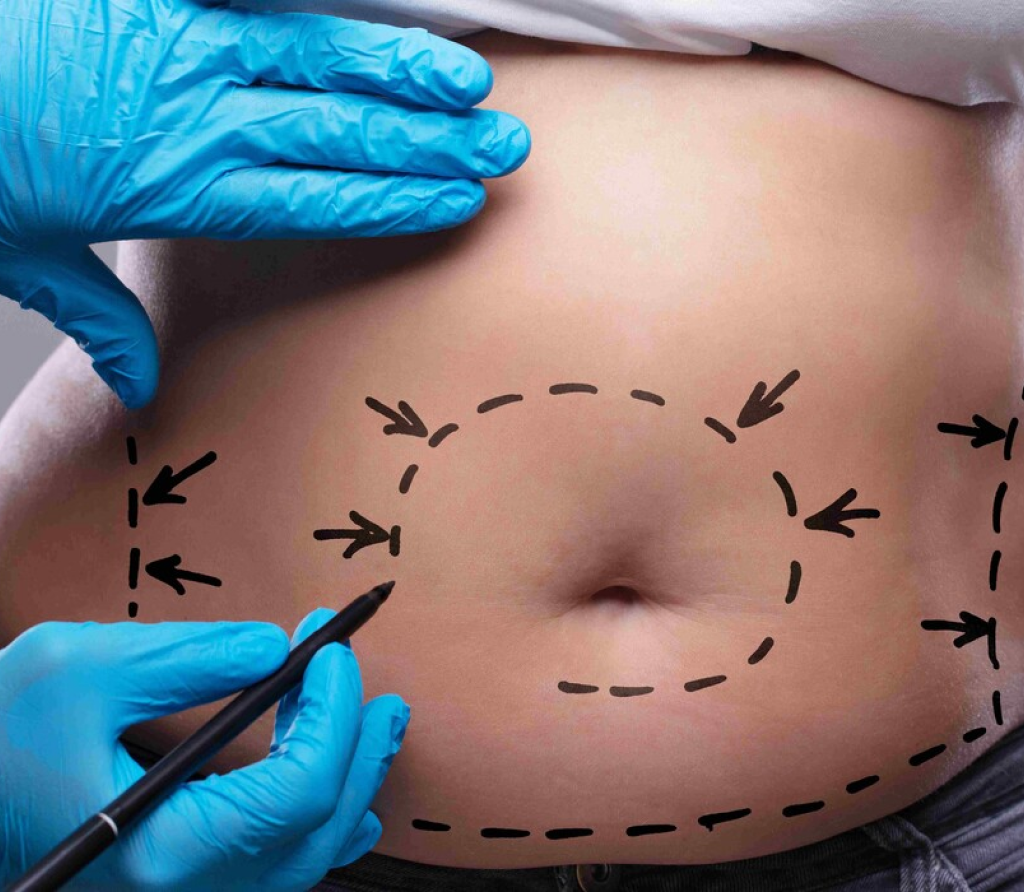
- Incisions: placed according to the type of tummy tuck, usually low enough to sit beneath underwear or swimwear.
- Muscle repair: if needed, separated or weakened abdominal muscles are stitched together to firm the abdominal wall.
- Skin and fat removal: excess skin and fat are removed and the remaining skin is redraped smoothly.
- Closure: the incisions are stitched and covered with dressings. Small drains may be placed to remove fluid, and a compression garment is fitted.
Recovery and aftercare
Swelling, bruising, tightness and discomfort are expected in the first weeks and are managed with prescribed pain relief. You may need to walk slightly bent forward for the first days while the skin and muscles settle. Many people return to desk-based work after about two to four weeks, depending on the extent of surgery. Heavy lifting and strenuous exercise are usually avoided for around six weeks, or longer if the muscles were repaired.
Preventing blood clots: a tummy tuck carries a higher risk of blood clots in the legs (deep vein thrombosis) or lungs (pulmonary embolism) than many cosmetic procedures. To reduce this risk you will be encouraged to walk gently from the first day, and your surgeon may recommend compression stockings or blood-thinning injections. Seek urgent medical help if you notice calf pain or swelling, chest pain or breathlessness.
Aftercare tips:
- Wear your compression garment as instructed, usually for several weeks.
- Keep your wounds clean and dry, and care for any drains as shown.
- Avoid smoking, which significantly increases wound-healing problems.
- Do not lift heavy objects, including children, until your surgeon agrees.
- Attend your follow-up appointments to check healing and remove stitches if needed.
Results, risks and cost
Results
Your abdomen will look flatter soon after surgery, but swelling takes several months to settle, and the final result is usually seen after six months to a year. The scar is usually red at first and gradually fades over 12 to 18 months, but it is permanent. The skin and fat removed do not return, and results are long lasting if you keep a stable weight. Future pregnancy, weight changes and ageing can affect the result.
Risks
A tummy tuck is major surgery and carries risks. Common, usually temporary effects include swelling, bruising, numbness of the lower abdominal skin and tiredness. Possible complications include bleeding or haematoma, infection, fluid collection under the skin (seroma), delayed wound healing or wound breakdown (more likely in smokers and people with diabetes), blood clots, thick or widened scars, asymmetry or contour irregularities, problems with the belly button, and reactions to anaesthesia. Some patients need a further procedure to improve the result.
Cost
The cost of a tummy tuck depends on the type of tummy tuck, whether muscle repair or liposuction is included, the length of surgery, the type of anaesthesia, any hospital stay and your aftercare needs. For this reason we confirm the cost after your consultation rather than quoting a fixed figure. Your surgeon will explain the plan and the cost before any procedure is booked.
Frequently asked questions
Is a tummy tuck a way to lose weight?
No. It removes loose skin and some fat and can tighten the muscles, but it is not a substitute for weight loss. It works best when you are already near a stable weight.
Will I have a scar?
Yes. A tummy tuck leaves a scar across the lower abdomen and usually around the belly button. It is placed as low as possible and fades over time, but it is permanent.
How long is the recovery?
Many people return to desk work in two to four weeks. Heavy lifting and strenuous exercise are usually avoided for about six weeks, and swelling can take several months to settle fully.
Can I get pregnant after a tummy tuck?
Yes, but pregnancy can stretch the skin and muscles again and affect your result. Many surgeons suggest waiting until you have finished having children.
Will a tummy tuck remove stretch marks?
Only those on the skin that is removed, which is mostly below the belly button. Stretch marks elsewhere may remain or shift slightly lower.
Can a tummy tuck be combined with other procedures?
Sometimes, for example with liposuction or breast surgery. Combining procedures lengthens the operation and can increase risk, so your surgeon will advise which option suits you.
Book a tummy tuck consultation at Stanford Clinics
If you are considering a tummy tuck, the first step is a consultation with one of our consultant plastic surgeons at Stanford Clinics. We will listen to your goals, examine you, explain which type of tummy tuck may suit you and give you honest information about recovery, scarring and risks, so that you can make an informed decision in your own time.
Book your appointment online, call us or message us on WhatsApp. You can also find our contact details here.