
Liposuction Bahrain
Overview
Provided by our consultant plastic surgeons at Stanford Clinics. Last updated October 2026.
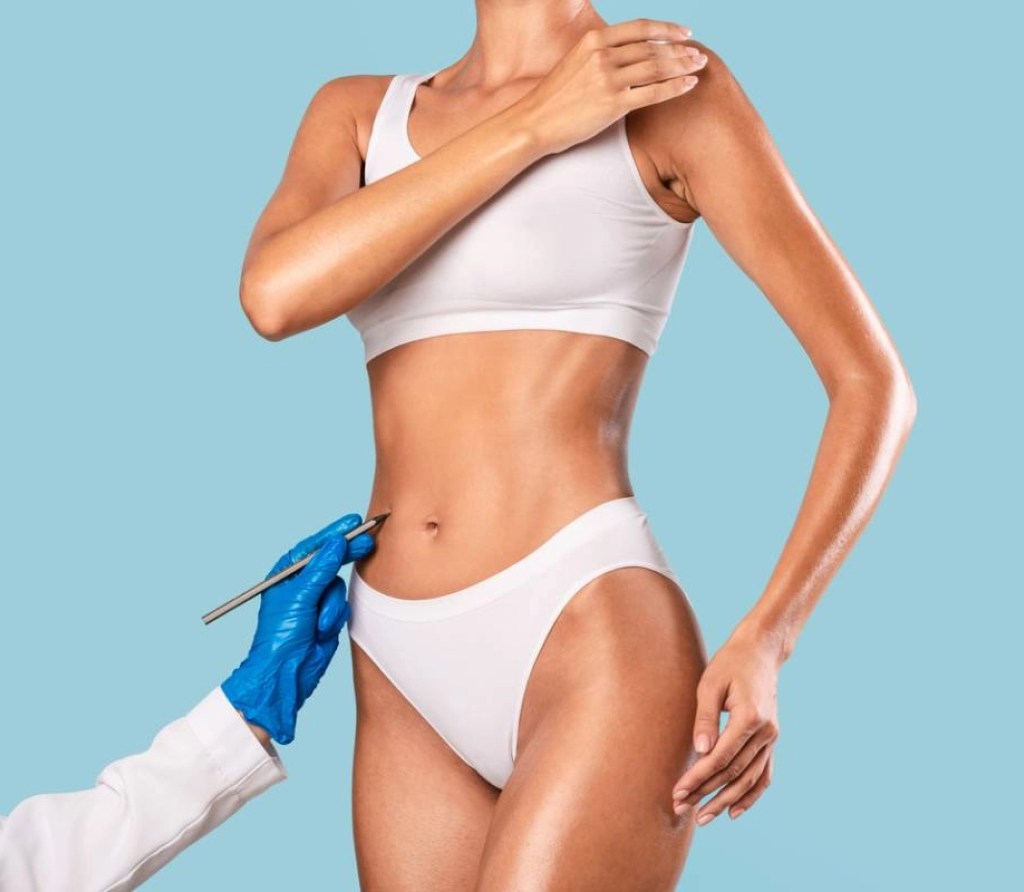
Liposuction is a surgical procedure that removes pockets of fat that have not responded to a healthy diet and regular exercise. It is used to improve body contour in specific areas, such as the abdomen, flanks, thighs or arms, rather than to reduce overall body weight.
At Stanford Clinics in Bahrain, every liposuction starts with a consultation with a consultant plastic surgeon, who examines the areas that concern you, reviews your medical history and explains honestly what liposuction can and cannot achieve for you. Results vary between people, and suitability is always decided at this consultation.
What is liposuction?
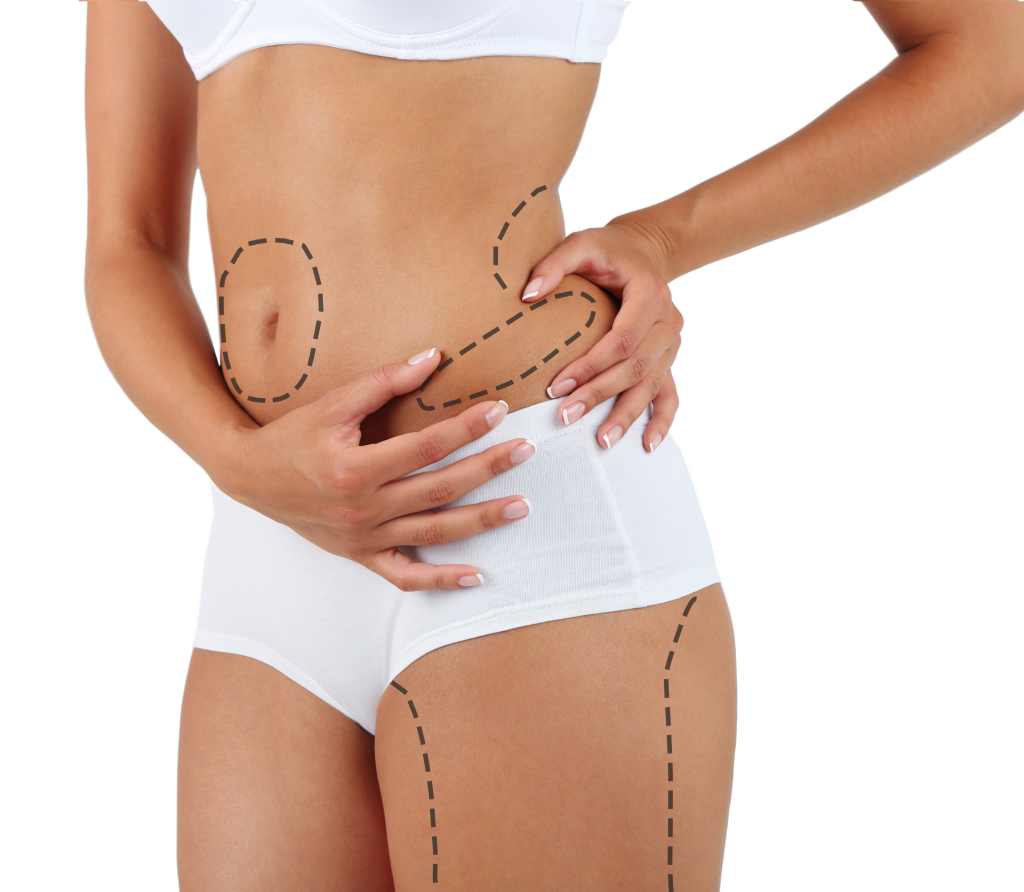
Liposuction, sometimes called liposculpture, uses a thin, hollow tube called a cannula, inserted through small incisions, to suction out fat from beneath the skin. It is performed on both men and women. Commonly treated areas include:
- Upper arms: fullness on the back of the arms.
- Back: fat rolls around the bra line or lower back.
- Abdomen: fat on the upper and lower tummy.
- Thighs: inner and outer thigh fat.
- Hips: fullness around the hips.
- Flanks: the "love handles" above the hips.
- Face, chin and neck: fullness under the chin and along the jawline.
- Calves: selected cases of localised fat on the lower legs.
Liposuction is not a weight-loss treatment. It works best for people who are already close to a stable, healthy weight and have localised fat that is out of proportion with the rest of their body. It does not treat obesity, and it does not remove cellulite, tighten loose skin or remove stretch marks.
Because the skin needs to shrink back over the treated area, results also depend on your skin quality. Where there is significant loose skin, liposuction alone may leave the area looking uneven, and a skin-tightening operation such as a tummy tuck may be more suitable. Liposuction can also be combined with other procedures, such as gynecomastia surgery, a neck lift, breast reduction or a tummy tuck. Your surgeon will advise which option suits you.
Who is a good candidate for liposuction?
Liposuction is planned individually for each patient. As it is a surgical procedure, you need to be in good general health so that you can recover safely. You may be a suitable candidate if you:
- Are over 18 and in good general health.
- Are close to a stable, healthy weight with localised areas of fat.
- Have reasonably firm, elastic skin over the treated areas.
- Do not smoke, or can stop for several weeks before and after surgery.
- Have well-controlled health conditions: conditions such as high blood pressure, heart disease or diabetes must be assessed first and may make surgery unsuitable.
- Are not pregnant or breastfeeding, and have realistic expectations about the result.
How liposuction is performed
Liposuction is carried out in an operating theatre. Depending on the areas and the amount of fat being treated, it may be performed under local anaesthesia with sedation or under general anaesthesia. Your surgeon and anaesthetist will advise which option suits you and explain how long the procedure is expected to take.
There are different liposuction techniques, and your surgeon will recommend the approach that fits your body, the areas treated and your goals. The main steps are similar:
- Consultation: your surgeon assesses your health, examines the areas, discusses your goals and agrees the plan. Blood tests or other checks may be requested.
- Preparation: on the day, the areas are marked while you stand, and the anaesthesia is given.
- Procedure: small incisions are made and a cannula is used to loosen and suction out the fat. The small incisions are then dressed.
- Compression: a compression garment is fitted to reduce swelling and support the new contour.
- Follow-up: you will have review appointments to check your healing and progress.
Recovery, results and risks
Bruising, swelling, tightness and soreness are normal after liposuction and are usually managed with prescribed pain relief. Many people return to light daily activities and desk-based work within a few days to two weeks, depending on how much was treated. You will usually be asked to wear a compression garment for several weeks, and to avoid strenuous exercise and heavy lifting for around four to six weeks.
Aftercare tips:
- Wear your compression garment exactly as instructed.
- Walk gently from the first day to help circulation.
- Keep the small incisions clean and dry, and attend your follow-up appointments.
- Do not smoke, as smoking slows healing.
Results: you will see some change soon after surgery, but most swelling settles over four to six weeks and the final contour can take three to six months to appear. The fat cells removed do not grow back, but the remaining fat cells can still enlarge if you gain weight, so keeping a stable weight helps maintain your result.
Risks: like any surgery, liposuction carries risks. Common, usually temporary effects include bruising, swelling, numbness and fluid leaking from the incisions. Possible complications include bleeding, infection, a collection of fluid under the skin (seroma), uneven contour, rippling or asymmetry, changes in skin sensation, visible scarring at the incision sites, blood clots in the legs or lungs, and reactions to anaesthesia. Some patients need a further procedure to refine the result.
Larger-volume liposuction, or treating several areas at once, carries a higher risk. This includes shifts in the body’s fluid balance and, rarely, serious complications such as fat embolism, where fat enters the bloodstream and travels to the lungs. For this reason the amount of fat removed in one session is limited for safety and larger procedures need closer monitoring. Your surgeon will discuss your individual risks with you before you decide.
Liposuction cost in Bahrain
The cost of liposuction depends on the number and size of the areas treated, the amount of fat to be removed, the type of anaesthesia, whether it is combined with another procedure, and your aftercare needs. For this reason we confirm the cost after your consultation rather than quoting a fixed figure. Your surgeon will explain the plan and the cost before any procedure is booked.
Frequently asked questions
Will liposuction help me lose weight?
No. Liposuction reshapes specific areas and is not a substitute for weight loss, diet or exercise. It suits people who are already near a stable, healthy weight.
Is the fat removed permanently?
The fat cells that are removed do not return. However, the remaining fat cells can grow if you gain weight, which can change your result.
How long is the recovery?
Many people return to light activities and desk work within a few days to two weeks. Strenuous exercise is usually avoided for four to six weeks, and swelling can take several months to settle fully.
Will there be scars?
The incisions are small and usually placed in discreet areas. They tend to fade over time, but some marks will remain and healing varies between people.
Can liposuction tighten loose skin?
No. Liposuction removes fat but does not tighten skin. If you have loose skin, your surgeon may discuss a skin-tightening procedure such as a tummy tuck.
Who should not have liposuction?
It is not suitable during pregnancy or breastfeeding, or for people with certain uncontrolled medical conditions, bleeding problems or poor circulation. Please tell your surgeon about your full medical history and any medications.
Book a liposuction consultation at Stanford Clinics
If you are considering liposuction, the first step is a consultation with one of our consultant plastic surgeons at Stanford Clinics. We will listen to your goals, examine the areas that concern you, explain the benefits and risks honestly, and recommend a plan that suits you, whether that is liposuction alone, a combined procedure or a non-surgical alternative.
Book your appointment online, call us or message us on WhatsApp. You can also find our contact details here.