Laser Vein Removal in Bahrain
Overview
Provided by our dermatology team: Dr. Amal Fakhry, Dr. Samar Fakhry and Dr. Noha Elsayed, Dermatology Specialists. Last updated October 2026.
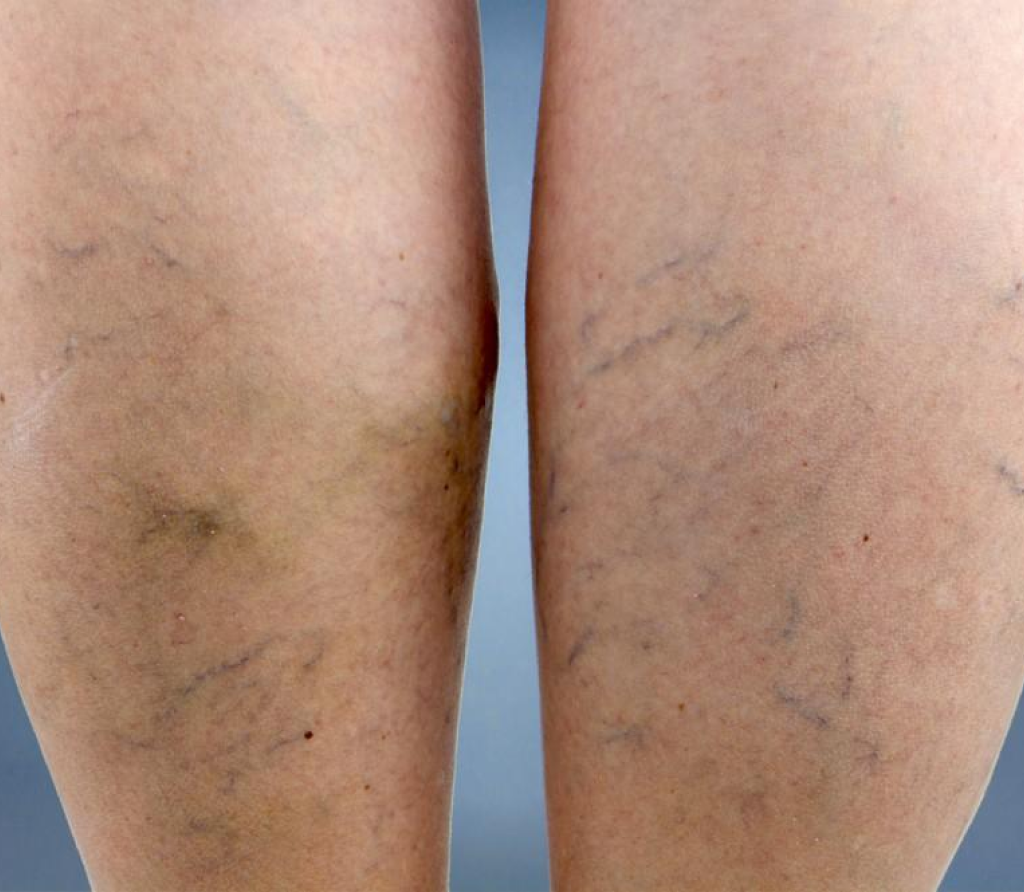
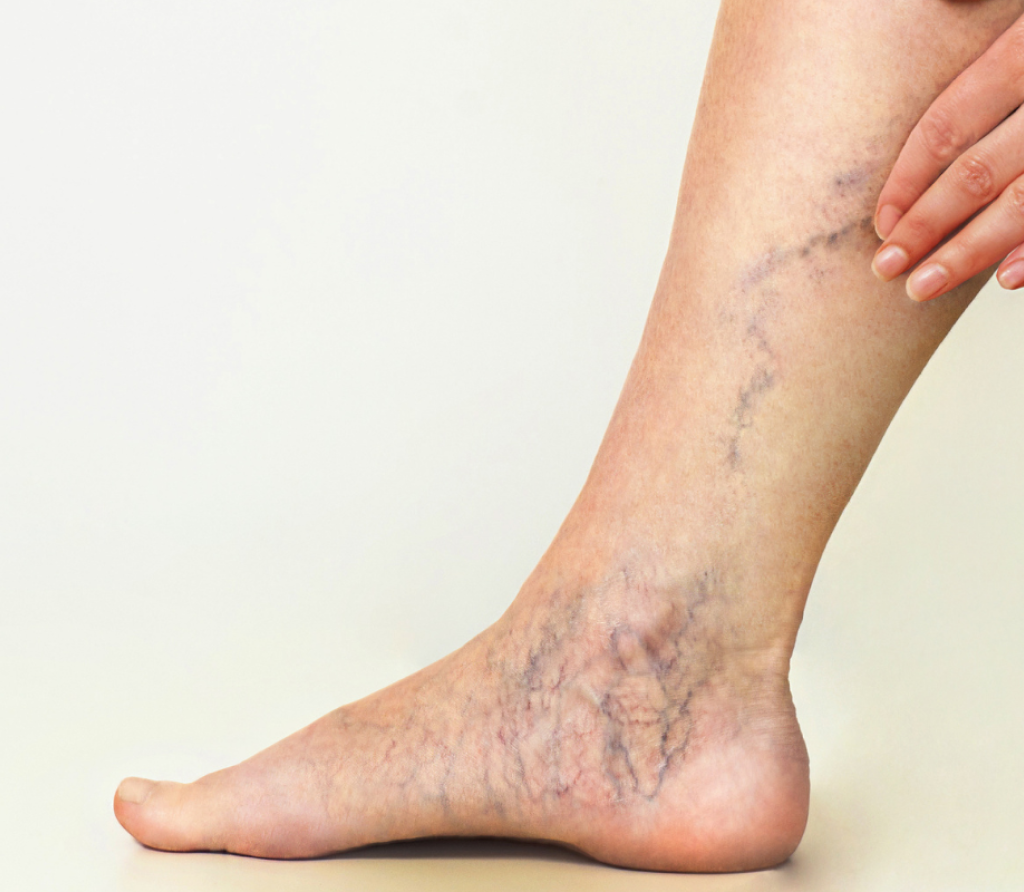
Spider veins are small, thin red, blue or purple veins that show through the skin, often on the legs. They are very common and usually harmless, but many people would like them to be less visible. Laser vein treatment uses light energy to fade these small surface veins without surgery.
Varicose veins are different: they are larger, raised, often twisted veins, and they can cause aching, heaviness, swelling or skin changes. They usually come from a problem with the valves in deeper veins, so they need assessment by a vascular specialist, often with an ultrasound scan, before any treatment is planned. Surface laser on its own is not usually the right treatment for them.
At Stanford Clinics in Bahrain, every treatment starts with a consultation, where your doctor examines your veins and advises which option suits you.
What causes spider and varicose veins?
Veins have small one-way valves that keep blood flowing back towards the heart. When these valves weaken, blood can pool and the veins widen. In larger veins this causes varicose veins; small vessels near the surface can become visible as spider veins. Common contributing factors include:
- Family history: vein problems often run in families.
- Hormonal changes: pregnancy, hormonal medicines and menopause.
- Long periods of standing or sitting: for example at work.
- Age: vein valves weaken over time.
- Excess weight: extra pressure on the leg veins.
- Sun exposure: can contribute to small visible veins.
Who laser vein treatment may suit
- Spider veins: fine red, blue or purple veins on the legs that you would like to fade.
- Small surface veins: veins close to the skin rather than large, bulging veins.
- Realistic expectations: you understand that improvement is gradual and more than one session may be needed.
- Vascular assessment first: if you have bulging veins, aching or heavy legs, swelling, itching around veins or skin darkening near a vein.
How laser vein treatment works
The laser sends pulses of light through the skin. The light is absorbed by the blood inside the small vein, which heats the vessel wall and causes it to close. Over the following weeks the body gradually clears the treated vein, so it fades from view. The settings are chosen to limit heating of the surrounding skin.
Laser works on small surface veins. It does not treat the cause of varicose veins, which is why larger or symptomatic veins need a vascular assessment first.
What laser vein treatment can offer
For suitable spider veins, laser treatment may offer:
No cuts or stitches
The laser works through the surface of the skin, so no surgery is needed.
Short sessions
Most sessions take around 15 to 30 minutes, depending on the area.
Little downtime
Most people return to normal daily activities the same day.
Gradual improvement
Treated veins fade over several weeks, and more than one session is often needed.
Tailored to you
Settings are adjusted to your skin type and the size and colour of your veins.
What happens at your appointment
Consultation
Your doctor asks about your symptoms, medical history and medicines, and examines your veins, usually while you are standing. Where needed, an ultrasound scan is used to check the deeper veins. If your veins are larger or cause symptoms, you may be advised to see a vascular specialist before any cosmetic treatment. If laser is suitable, your doctor explains the likely number of sessions, the expected result and the risks.
Preparation
Please avoid sun exposure, tanning and self-tan on the area for a few weeks beforehand, and come with clean skin, free of creams or lotions. On the day, the skin is cleansed and the veins to be treated may be marked. You will be given protective eyewear to wear during the treatment.
Laser treatment
A session usually takes 15 to 30 minutes and involves these steps:
- Protection: you and the team wear protective eyewear.
- Laser pulses: a handheld laser is passed along each vein. Most people feel a quick snapping or heat sensation.
- Vein response: the light heats the blood inside the vein, and the vessel closes.
- Finish: the area is checked and you receive your aftercare instructions.
Aftercare, recovery and results
Most people go back to normal activities straight away. Treated veins may look red, darker or slightly raised for a few days. To help the skin recover:
- Walk regularly, and avoid standing or sitting still for long periods.
- Avoid hot baths, saunas and strenuous exercise for 24 to 48 hours.
- Protect the treated skin from the sun and use a broad-spectrum sunscreen, to lower the risk of dark marks.
- Wear compression stockings if your doctor advises them.
Results build gradually. Small veins often fade over 2 to 6 weeks, and larger spider veins can take longer. Many people need 2 or more sessions, spaced several weeks apart. Results vary between people. Treated veins do not usually return, but new spider veins can develop over time, so further sessions may be needed in the future.
Side effects, risks and who should not have it
- Common: redness, swelling or small raised marks along the treated veins, usually settling within a few days.
- Common: discomfort during treatment and mild bruising.
- Possible: temporary darker or lighter skin along the vein, which can take weeks or months to fade.
- Less common: blistering, crusting or a burn.
- Rare: scarring or permanent changes in skin colour.
Your doctor will explain these risks before treatment. Laser vein treatment may not be suitable if you are pregnant, have tanned or recently sun-exposed skin, an active skin infection in the area, a history of blood clots (deep vein thrombosis), a tendency to keloid scarring, or take medicines that make the skin sensitive to light. Varicose veins, leg swelling, skin changes or leg ulcers need a medical and vascular assessment first. Please tell your doctor about your full medical history.
Book a laser vein treatment consultation at Stanford Clinics
If spider veins bother you, the first step is a consultation at Stanford Clinics. Your doctor will examine your veins, explain whether laser is likely to help and recommend a plan that suits you, or advise further assessment if your veins need it. Results vary between people, and suitability is always decided at your consultation.
Book your appointment online, call us or message us on WhatsApp. You can also find our contact details here.
Frequently asked questions
Usually 15 to 30 minutes, depending on the number and size of the veins being treated.
Most people feel a quick snapping or hot sensation with each pulse. Your doctor will aim to keep you comfortable, and the discomfort stops when the session ends.
Small veins often fade over 2 to 6 weeks; larger spider veins can take a few months. Many people need 2 or more sessions, and results vary between people.
Veins that respond well do not usually come back, but new spider veins can appear over time, especially if you have a family history. Some people choose further sessions later on.
Large, bulging varicose veins usually need assessment by a vascular specialist, often with an ultrasound scan, because the problem lies in deeper veins. Surface laser alone is not usually suitable for them. Your doctor will advise which option suits you.
The cost depends on the size of the area, the number of veins and how many sessions you need, so we confirm a price after your consultation rather than quoting a fixed figure. Your doctor will explain the plan and the cost before any treatment begins.