

Chemical Peel Bahrain
Overview
Provided by our dermatology team: Dr. Amal Fakhry, Dr. Samar Fakhry and Dr. Noha Elsayed, Dermatology Specialists. Last updated October 2026.
A chemical peel is a medical skin treatment in which a carefully chosen acid solution is applied to the skin. It removes damaged outer layers in a controlled way so that fresh skin can grow back, which can help with dull skin, uneven tone, fine lines, acne and acne scars.
Peels range from gentle “lunchtime” peels with little downtime to stronger peels that need a week or more to heal. At Stanford Clinics in Bahrain, a dermatologist assesses your skin first and recommends the type and strength of peel that suits you.
Who chemical peels suit
Chemical peels can be used on the face, neck, chest, hands and other areas. Your dermatologist may recommend a peel, or a course of peels, for:
- Dull or uneven skin: rough texture and a tired-looking complexion.
- Pigmentation: sun spots, freckles and some types of uneven skin tone.
- Acne: active mild to moderate acne and blocked pores.
- Acne marks and scars: dark marks and some shallow scars.
- Fine lines: early signs of ageing and sun damage.
- Enlarged pores and oily skin.
Types of chemical peel
Peels are grouped by how deeply they act in the skin. Deeper peels can give a stronger effect, but they also need longer recovery and carry more risk. Your dermatologist will choose the acid and strength based on your skin type, your concern and how much downtime you can manage.
- Superficial peels: mild acids such as glycolic, lactic, mandelic or salicylic acid act on the outer layer of skin. Little or no downtime; usually given as a course.
- Medium-depth peels: stronger solutions, such as trichloroacetic acid (TCA), reach the upper part of the deeper skin layer. They give a more visible change but need about 1 to 2 weeks to heal.
- Deep peels: the strongest peels, with a long recovery and higher risks. They are used only for carefully selected patients, and your doctor will discuss whether other options are more suitable.
What happens during your appointment
A peel appointment usually takes 30 to 60 minutes. For some peels, especially on darker skin, you may be asked to use preparation creams for 2 to 4 weeks beforehand. On the day:
- Consultation: your dermatologist reviews your skin, medical history and medicines, and agrees the plan with you.
- Cleansing: the skin is cleaned and degreased so the peel acts evenly.
- Protection: sensitive areas such as the eyes, nostrils and lips are protected.
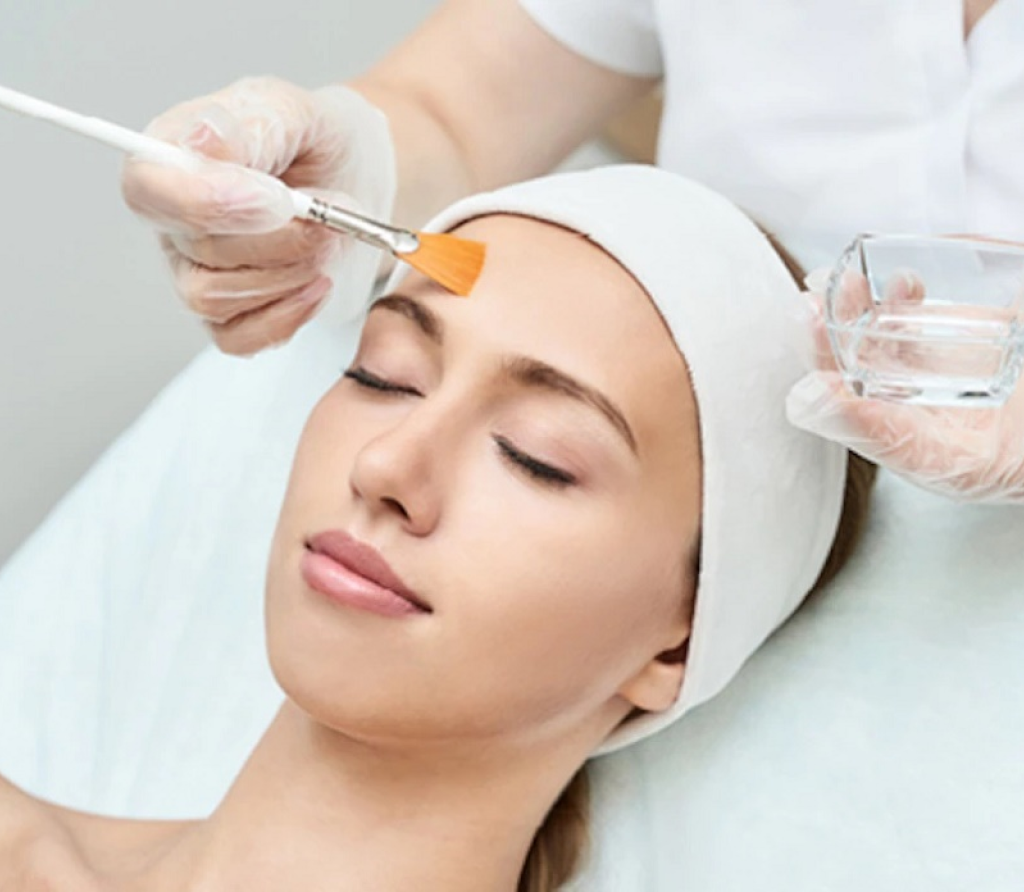
- Application: the peel solution is applied in even layers and left on for a set time while your skin is monitored.
- Neutralising or removal: depending on the peel, it is neutralised or rinsed off.
- Soothing: a calming product and sunscreen are applied.
- Aftercare: you receive written instructions and, for a course, the date of your next session.
Aftercare and recovery
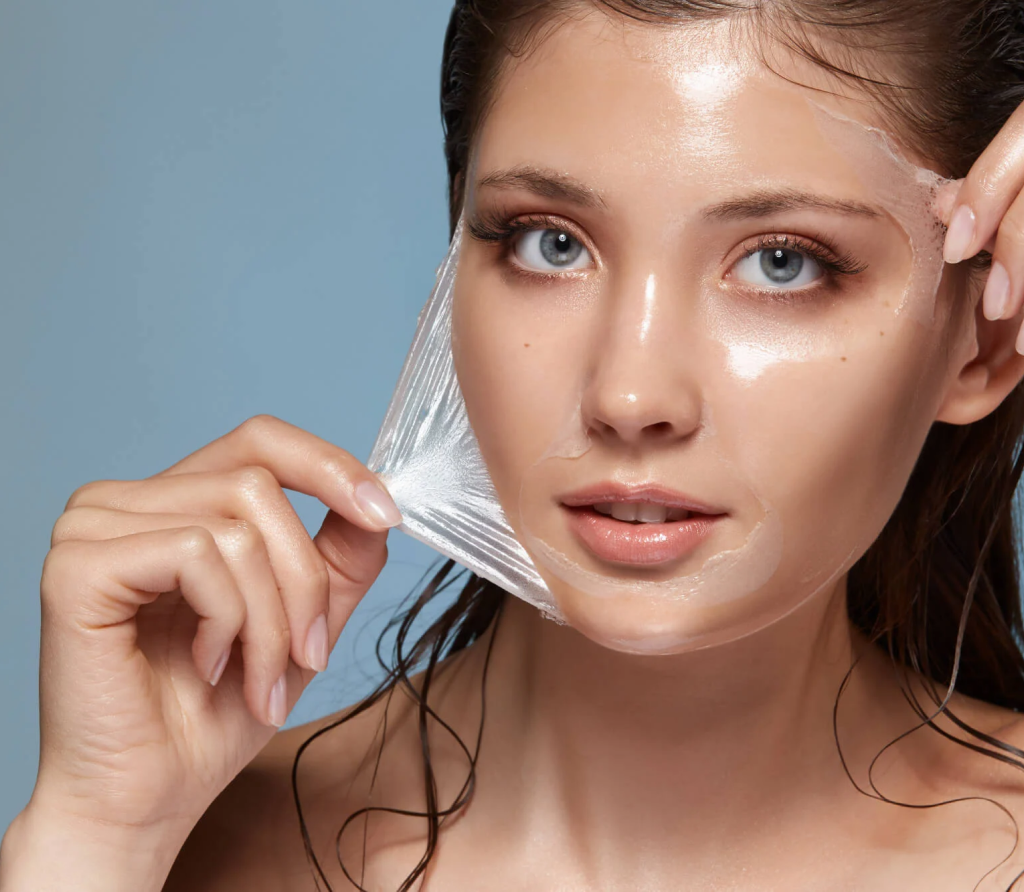
How your skin looks after a peel depends on its depth. After a superficial peel you may have redness and light flaking for 1 to 7 days. After a medium-depth peel, expect redness, swelling, darkening and peeling for about 1 to 2 weeks. To help your skin heal well:
- Use a gentle cleanser and the moisturiser recommended by your doctor.
- Do not pick, scratch or peel off flaking skin, as this can cause marks or scarring.
- Avoid the sun and use a broad-spectrum sunscreen (SPF 30 or higher) every day.
- Avoid saunas, steam rooms, swimming and strenuous exercise until your skin settles.
- Pause retinoids, scrubs and other active products until your doctor says you can restart.
- Wait until your skin has healed before waxing, laser or other facial treatments.
Results, side effects and cost
Your skin may look brighter and smoother once peeling has finished. Superficial peels give gradual results and are usually done as a course of around 4 to 6 sessions, 2 to 4 weeks apart. Medium-depth peels give a more noticeable change after one treatment. Results are not permanent, because the skin keeps ageing and reacting to the sun, so maintenance peels and daily sun protection help keep the improvement. Results vary between people.
Side effects and risks
Redness, tightness, stinging, flaking and temporary sensitivity are common. Less commonly, the skin can develop darker patches (post-inflammatory hyperpigmentation), particularly in darker skin or after sun exposure, or lighter patches. Other possible risks include a flare of cold sores, infection, prolonged redness, allergic reaction and, rarely, scarring. The risk rises with deeper peels.
Who should not have a chemical peel
A peel may need to be delayed or avoided if you are pregnant or breastfeeding, have taken isotretinoin (Roaccutane) recently, have an active infection, cold sores, open wounds, sunburn or a recent tan, have a history of keloid scars or poor healing, or have recently had waxing, laser or other procedures in the area. Tell your doctor about any allergies, including to aspirin, and all the medicines and creams you use.
Cost of a chemical peel in Bahrain
The cost depends on the type and depth of peel, the area treated and how many sessions you need, so we confirm a price after your consultation rather than quoting a fixed figure.
Frequently asked questions
Does a chemical peel hurt?
Most people feel warmth, tingling or stinging for a few minutes while the peel is on. A cool fan or compress helps. Deeper peels are more uncomfortable.
Will my skin visibly peel?
Not always. Gentle peels may cause only light flaking, while medium peels usually cause obvious peeling for several days.
How many peels will I need?
For gentle peels, usually a course of around 4 to 6, followed by occasional maintenance. Your dermatologist will advise on what suits your skin.
Can I have a peel if I have darker skin?
Yes, many peels can be used on darker skin, but the type and strength must be chosen carefully and preparation creams are often used to lower the risk of pigment changes.
When can I wear make-up?
After a gentle peel, usually the next day. After a medium peel, wait until the skin has stopped peeling.
Can a peel help pigmentation?
Peels can help some types of uneven pigmentation, including as part of melasma treatment, alongside daily sun protection and prescribed creams.
Why patients choose chemical peels
When the right peel is chosen and applied by a trained medical team, it can offer:
- Smoother, brighter-looking skin.
- A more even skin tone over a course of treatment.
- Fewer blocked pores and breakouts for some people with acne.
- Softening of fine lines and some shallow scars.
- A treatment that can be adjusted in strength and combined with other skin treatments.
Book a chemical peel consultation at Stanford Clinics
Your first step
If you are thinking about a chemical peel, the first step is a consultation with our dermatology team. We will examine your skin, discuss your goals and the downtime you can manage, and recommend the peel or combination of treatments that suits you.
Book your appointment online, call us or message us on WhatsApp. You can also find our contact details here.