

PRP Treatment in Bahrain
Provided by our dermatology team: Dr. Amal Fakhry, Dr. Samar Fakhry and Dr. Noha Elsayed, Dermatology Specialists. Last updated October 2026.
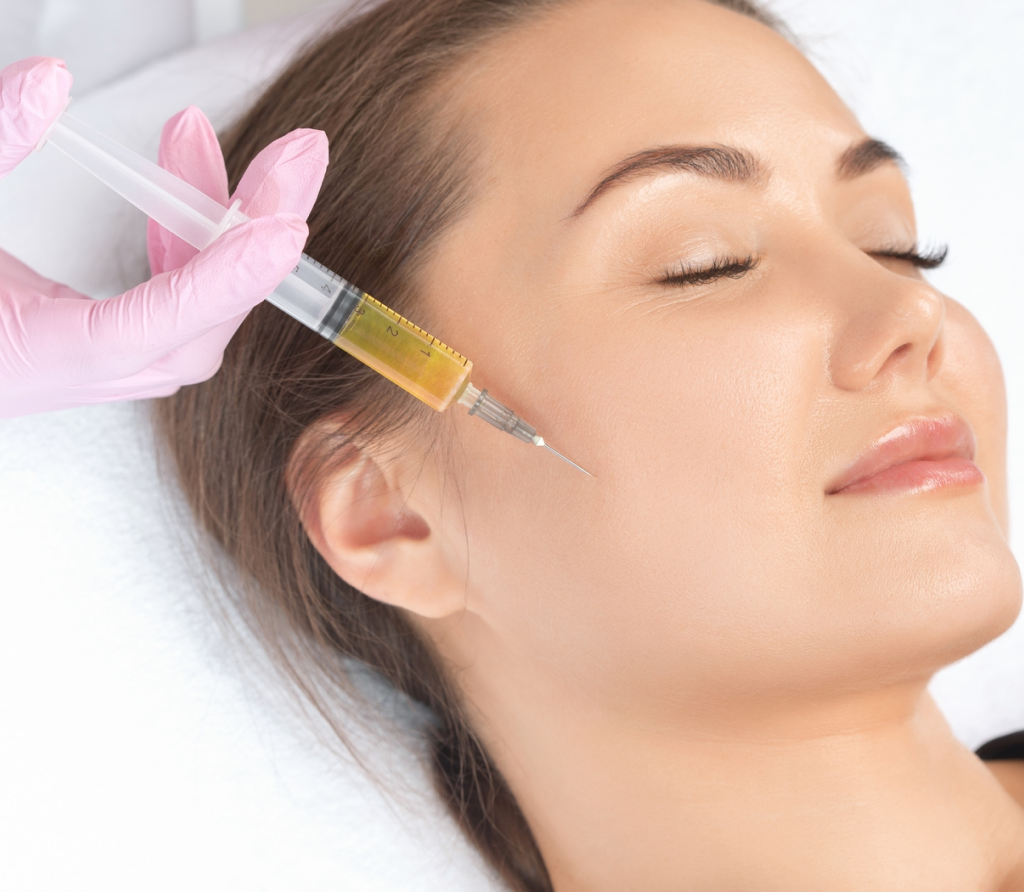
PRP (platelet-rich plasma) treatment uses a concentrate prepared from a small sample of your own blood to support the skin and scalp. It is used to improve skin quality and texture, to help with some acne scars, and as part of a plan for certain types of thinning hair.
At Stanford Clinics in Bahrain, every PRP treatment starts with a consultation with a dermatologist, who assesses your skin or scalp, explains what PRP can realistically achieve for you and checks that it is safe for you.
What is PRP?
Platelets are blood cells best known for helping blood to clot, but they also release growth factors that play a part in the body’s natural healing and repair. PRP is plasma that contains a higher concentration of platelets than normal blood.
When PRP is placed into the skin or scalp, these growth factors are thought to stimulate collagen production and support hair follicles. Because PRP is made from your own blood, the risk of an allergic reaction is very low. Evidence for PRP is encouraging for some uses, particularly a common type of hair thinning, but results vary between people. PRP is mainly used to:
- Skin quality: improve texture, tone and fine lines on the face, neck and hands.
- Thinning hair: support hair density in some types of hair loss, such as pattern thinning.
- Acne scars: help improve some scars, usually combined with microneedling.
- Under-eye area: improve the look of thin, tired-looking skin under the eyes.
How PRP works and what happens at your appointment
PRP may suit adults in good general health who want gradual, natural-looking improvement in skin quality, or who have early to moderate thinning hair. It works best on a course of treatment and is often combined with other treatments, such as microneedling for acne scars or medical treatment for hair loss.
Before treating hair loss, your dermatologist will look for the underlying cause, which may include blood tests, because PRP helps some types of hair loss but not others.
The whole appointment usually takes 45 to 90 minutes and follows three main steps:
Step 1: Taking a blood sample
A small amount of blood is taken from your arm, similar to a routine blood test. If you are nervous about needles, let us know and we will take extra care to make you comfortable.
Step 2: Preparing the PRP
The blood is placed in a sterile tube and spun in a centrifuge for a few minutes. This separates the platelet-rich plasma from the red blood cells. The PRP is then drawn off, ready to use in the same appointment.
Step 3: The treatment
The skin or scalp is cleansed and a numbing cream may be applied. The PRP is then placed into the treatment area with small injections with a fine needle, or applied together with microneedling so it can enter the tiny channels made in the skin. Your doctor will explain which method suits you.
After treatment the area may look red and slightly swollen, and the scalp can feel tender. To help your skin recover:
- avoid washing the treated area, applying makeup or using hair products until the next day
- avoid strenuous exercise, saunas, steam rooms and swimming for 24 to 48 hours
- use a broad-spectrum sunscreen and avoid strong sun on treated skin
- ask your doctor before taking anti-inflammatory painkillers such as ibuprofen; paracetamol is usually preferred
- avoid alcohol and smoking for a day or two, as they can slow healing
Recovery, results and side effects
Most people return to normal activities the same day or the next. Redness, swelling and small marks usually settle within 1 to 3 days, and bruising may take a little longer to fade.
Results are gradual because they depend on your body’s own repair processes. Changes in the skin are often seen over several weeks, and for hair they are usually judged after 3 to 6 months. A typical plan is a course of around 3 sessions spaced about 4 weeks apart, followed by maintenance sessions every few months if you wish to keep the benefits. Results are not permanent and vary from person to person; some people see little change.
Side effects and risks. Common, temporary effects include pain or tenderness at the injection sites, redness, swelling, bruising and, after scalp treatment, a mild headache. Less common risks include infection and bruising at the blood draw site. Allergic reactions are very unlikely because PRP comes from your own blood.
Who should not have PRP. PRP is not suitable if you have a low platelet count or a platelet or bleeding disorder, an active infection or skin condition in the area, certain blood cancers or cancer under treatment, or during pregnancy or breastfeeding. Blood-thinning medications and anti-inflammatory painkillers can affect the treatment; never stop a prescribed medicine without advice. Tell your doctor about your full medical history at your consultation.
PRP treatment cost in Bahrain
The cost of PRP depends on the area treated (face, scalp or both), whether it is combined with microneedling and how many sessions you need, so we confirm a price after your consultation rather than quoting a fixed figure. Your dermatologist will explain the plan and the cost before any treatment begins.
Frequently asked questions
Does PRP hurt?
Most people feel some discomfort. A numbing cream is used on the face, and the injections are quick. The scalp can feel tender for a day or two.
How many sessions will I need?
Usually a course of about 3 sessions around 4 weeks apart, then maintenance every few months. Your dermatologist will tailor the plan to you.
When will I see results?
Skin changes build over several weeks. For hair, results are usually assessed after 3 to 6 months.
Does PRP work for all hair loss?
No. It can help some people with common pattern hair thinning, but it is less likely to help other types. Finding the cause of your hair loss comes first.
Is PRP safe?
PRP uses your own blood, so allergic reactions are very unlikely. Side effects are usually mild and short-lived, such as redness, swelling and bruising, but PRP is not suitable for everyone.
What is the difference between PRP and mesotherapy?
PRP uses a concentrate from your own blood. Mesotherapy uses a prepared blend of ingredients such as hyaluronic acid and vitamins. Your dermatologist can explain which suits your goals.

Book a PRP consultation at Stanford Clinics
If you are interested in PRP for your skin or hair, the first step is a consultation with one of our dermatologists. We will assess your skin or scalp, explain honestly what PRP can achieve, and recommend a plan that suits you, whether that is PRP alone or combined with other treatments.
Book your appointment online, call us or message us on WhatsApp. You can also find our contact details here.