

Gynecomastia Surgery in Bahrain
Overview
Provided by our consultant plastic surgeons at Stanford Clinics. Last updated October 2026.
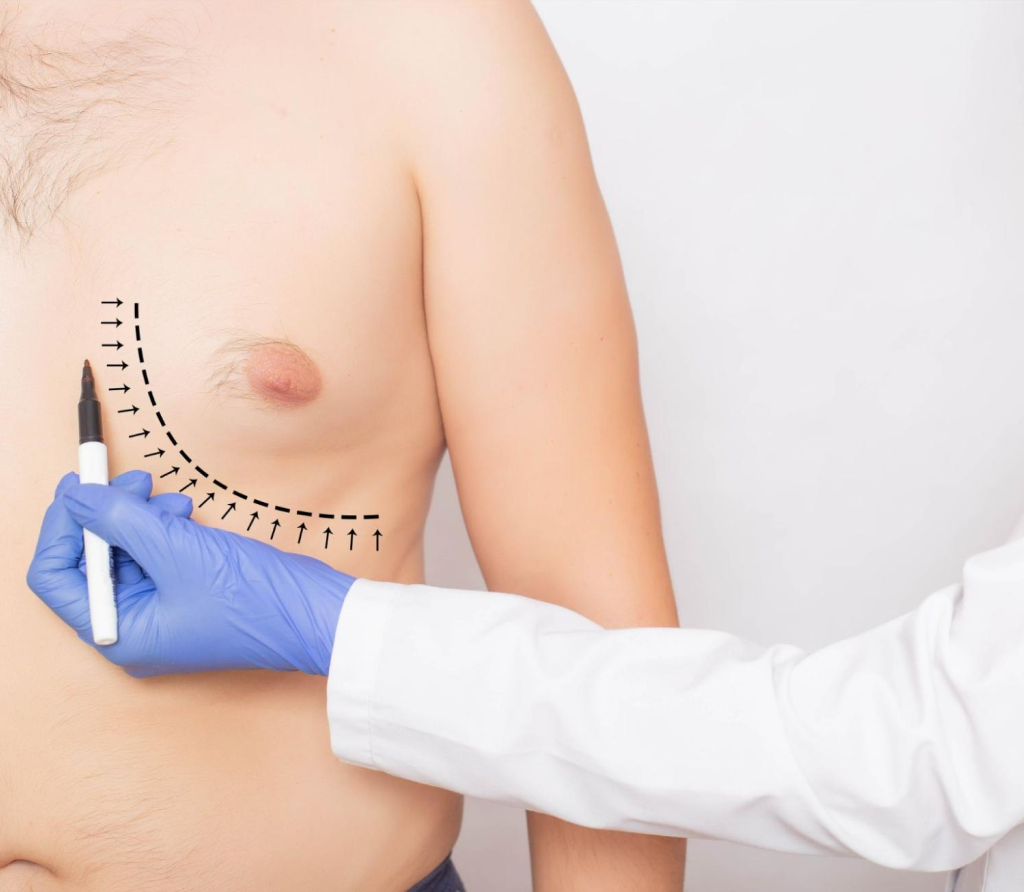
Gynecomastia is the enlargement of breast gland tissue in men. It is common, can affect one or both sides, and is usually linked to a change in the balance between the hormones oestrogen and testosterone. Some men also have extra fat on the chest without gland enlargement, which is sometimes called pseudogynecomastia. Many men seek treatment because the appearance affects their comfort or confidence.
At Stanford Clinics in Bahrain, a consultant plastic surgeon assesses the cause and the type of tissue involved before recommending any treatment. Suitability is decided at your consultation, and results vary between people.
Common causes and contributing factors include:
- Hormonal changes: during puberty or with ageing.
- Medications: some prescription medicines can cause breast enlargement.
- Substances: anabolic steroids, alcohol and some recreational drugs.
- Medical conditions: for example certain liver, kidney, thyroid or hormone problems.
- Excess weight: extra fat on the chest, which can also raise oestrogen levels.
Symptoms and diagnosis
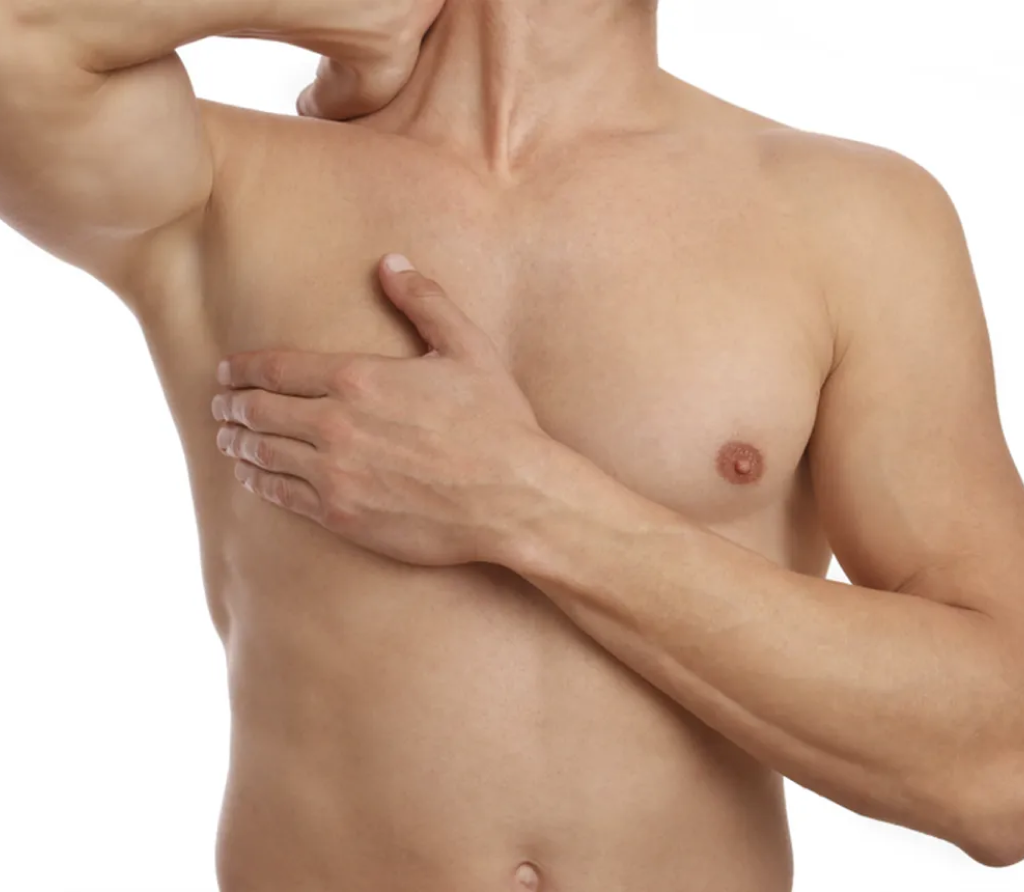
Gynecomastia usually appears as a soft, rubbery or firm area of tissue under and around the nipple. It may feel tender or sensitive, especially when it first develops, and the chest may look fuller or more rounded under clothing.
A single hard lump, a lump on only one side that is growing, skin dimpling, nipple discharge or a lump in the armpit should always be checked by a doctor promptly, as these need further investigation.
At your consultation, your surgeon will:
- Review your medical history, including medications, supplements and any substance use.
- Examine your chest to assess gland tissue, fat and skin.
- Arrange tests if needed, such as blood tests or imaging, to look for an underlying cause.
- Explain your options, including whether surgery is appropriate for you.
Is gynecomastia surgery right for you?
Gynecomastia does not always need surgery. Breast enlargement during puberty often settles by itself over months to a few years, and gynecomastia caused by a medication or substance may improve once the cause is addressed with your doctor. If excess weight is a factor, weight loss may reduce the size of the chest. Surgery is usually considered when the enlargement has been present and stable for some time and has not improved with these measures.
You may be a suitable candidate for surgery if you are in good general health, close to a stable weight, do not smoke (or can stop before and after surgery), and have realistic expectations. Surgery may not be suitable, or may need to wait, if an underlying cause has not been treated, if you are still in puberty, if you are using anabolic steroids or other substances that can cause gynecomastia, or if you have certain uncontrolled medical conditions. Your surgeon will advise which option suits you.
Types of gynecomastia surgery
Gynecomastia surgery, also called male breast reduction, removes excess gland tissue, fat and, where needed, skin from the chest to create a flatter, more even chest contour. The approach depends on what is causing the fullness, and your surgeon will advise which option suits you.
Liposuction: mainly used when the fullness is caused by fatty tissue. Small incisions are made and a thin tube (cannula) is used to remove fat. You can read more on our liposuction page.
Excision: used when there is firm gland tissue or excess skin, which liposuction cannot remove. The tissue is removed through an incision, often around the edge of the areola or in a natural chest fold. In more significant cases, skin may be removed and the nipple repositioned, which leaves longer scars.
Combination of liposuction and excision: many patients have both gland and fatty tissue, so the two techniques are often combined to remove the gland and smooth the surrounding area.
What happens on the day of surgery
Gynecomastia surgery is performed under general anaesthesia or local anaesthesia with sedation, depending on the technique and the extent of surgery. Your surgeon and anaesthetist will discuss which option suits you. The operation usually takes around one to three hours.
- Marking: your surgeon marks the chest while you are sitting or standing.
- Anaesthesia: the agreed anaesthesia is given so that you are comfortable throughout.
- Incisions: small, carefully placed incisions are made, positioned to be as discreet as possible.
- Tissue removal: excess gland tissue, fat and, if needed, skin are removed, and liposuction may be used to smooth the contour.
- Closure: the incisions are closed with stitches, dressings are applied and a compression garment is fitted.
Recovery, aftercare and results
Recovery depends on the type and extent of surgery and on how your body heals. Swelling, bruising, tightness and some discomfort are normal in the first weeks and are usually managed with prescribed pain relief. Many men return to desk-based work and light activities within about a week. Strenuous exercise, heavy lifting and upper-body training are usually avoided for around three to six weeks.
Aftercare tips:
- Wear your compression garment as instructed, usually for several weeks.
- Keep your wounds clean and dry and follow your dressing instructions.
- Walk gently from the first day to help circulation.
- Avoid smoking, which slows healing.
- Attend your follow-up appointments so your surgeon can check your progress.
Results: the chest looks flatter soon after surgery, but swelling takes time to settle. The final shape is usually seen after three to six months, and scars continue to fade for up to a year or more. Removed gland tissue does not usually return, but gynecomastia can come back if the underlying cause continues, for example weight gain, certain medications or anabolic steroid use.

Risks and possible side effects
Gynecomastia surgery is generally well tolerated, but like any operation it carries risks. Your surgeon will explain your individual risks at the consultation. They include:
- Common and temporary: swelling, bruising, soreness and numbness or altered sensation around the nipple.
- Bleeding or haematoma: a collection of blood that may need further treatment.
- Infection, seroma and wound-healing problems: including a collection of fluid under the skin.
- Scarring: scars may be raised, darker or more noticeable in some people.
- Contour and asymmetry: unevenness, a dip under the nipple or a difference between sides.
- Nipple changes: lasting changes in sensation and, rarely, problems with the blood supply to the nipple.
- General surgical risks: blood clots, reactions to anaesthesia, and the possibility of a revision procedure.
Gynecomastia surgery cost in Bahrain
The cost of gynecomastia surgery depends on the technique needed (liposuction, excision or both), whether one or both sides are treated, the amount of tissue and skin to be removed, the type of anaesthesia and your aftercare needs. For this reason we confirm the cost after your consultation rather than quoting a fixed figure. Your surgeon will explain the plan and the cost before any procedure is booked.
Frequently asked questions
Will gynecomastia go away on its own?
Sometimes. Gynecomastia during puberty often settles without treatment, and drug-related gynecomastia may improve when the cause is addressed. Long-standing gynecomastia is less likely to resolve by itself.
Can exercise or diet get rid of gynecomastia?
Losing weight can reduce chest fat, but it does not remove enlarged gland tissue. If the fullness is mainly gland, surgery is usually the option that changes it.
Will I have visible scars?
Incisions are placed to be as discreet as possible, often at the edge of the areola or in a chest fold. Scars usually fade over time but do not disappear completely. Larger skin removal means longer scars.
How soon can I go back to work and the gym?
Many men return to desk work within about a week. Strenuous exercise and chest training are usually avoided for three to six weeks.
Can gynecomastia come back after surgery?
It is uncommon once the tissue is removed, but it can recur if the underlying cause continues, such as weight gain, some medications or anabolic steroid use.
Preparing for your consultation
To help your surgeon plan safely, please:
- Bring a list of medications and supplements you take.
- Tell us about any substance use, including anabolic steroids, as this affects the plan.
- Share your medical history, including previous tests or treatment for gynecomastia.
- Plan to stop smoking before and after surgery if you smoke.
Book a gynecomastia surgery consultation at Stanford Clinics
Your consultation is an opportunity to understand the cause of your chest enlargement and all your options, including whether surgery is needed at all. At Stanford Clinics, your consultant plastic surgeon will:
- Listen to your concerns and what you would like to change.
- Assess the cause and the type of tissue involved.
- Explain your options, including non-surgical steps where appropriate.
- Discuss recovery, risks and cost before any decision is made.
If gynecomastia is affecting your comfort or confidence, the first step is a private consultation with one of our consultant plastic surgeons. We will explain the benefits, risks and recovery honestly so that you can make an informed decision in your own time.
Book your appointment online, call us or message us on WhatsApp. You can also find our contact details here.