

Eyelid Surgery in Bahrain
Provided by our consultant plastic surgeons at Stanford Clinics. Last updated October 2026.
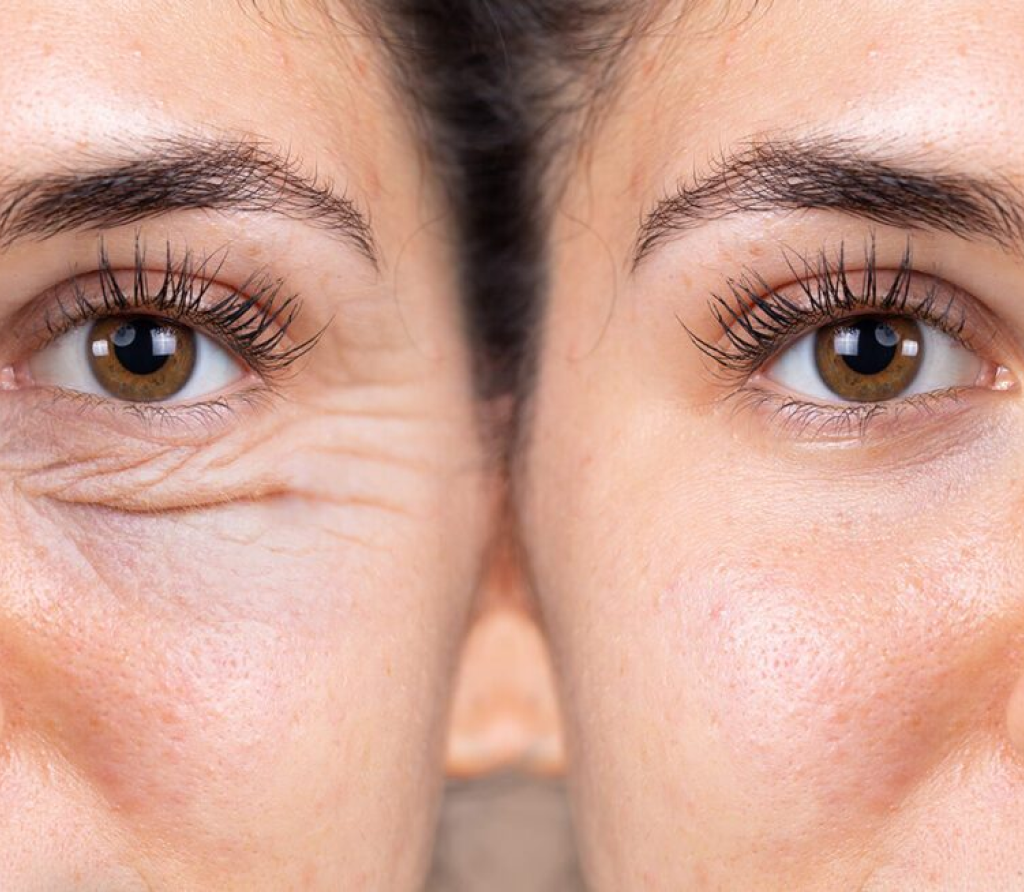
With age, the skin of the eyelids stretches, the muscles relax and fat can bulge forward. This can make the eyes look heavy, puffy or tired, even when you feel well rested. In some people, heavy upper lids can also sit low enough to get in the way of their field of vision.
At Stanford Clinics in Bahrain, eyelid surgery is planned and performed by our consultant plastic surgeons. Every patient starts with a consultation, where the surgeon examines your eyelids, brows and eye area and explains honestly what surgery can and cannot achieve for you.
What is eyelid surgery?
Eyelid surgery, or blepharoplasty, is an operation to remove or reposition excess skin, muscle and fat in the upper eyelids, the lower eyelids, or both. The aim is a fresher, more rested appearance that still looks like you.
It does not change the shape of the eye itself, and it does not treat crow’s feet, dark pigmentation under the eyes or low eyebrows. If these are part of your concerns, your surgeon can discuss other treatments that may be combined with surgery.
Who eyelid surgery suits, and who should wait
Eyelid surgery may suit adults in good general health who have:
- Loose or overhanging skin on the upper eyelids, sometimes affecting vision.
- Puffiness or bags under the eyes caused by bulging fat.
- Excess skin and fine creasing of the lower eyelids.
- Realistic expectations about the change surgery can make.
Your surgeon may advise waiting, further assessment or a different approach if you have dry eyes, thyroid eye disease, glaucoma or other eye conditions, recent laser eye surgery, uncontrolled high blood pressure or diabetes, a bleeding disorder or blood-thinning medicines, or if you smoke. A drooping eyelid margin (ptosis) is a different problem from excess skin and needs its own assessment. Elective surgery is not performed during pregnancy.
Types of eyelid surgery and how they work
Upper eyelid surgery: the surgeon removes a measured strip of excess skin, and sometimes a little muscle and fat, through an incision hidden in the natural crease of the upper lid. The scar usually becomes a fine line that is hard to see when the eyes are open.
Lower eyelid surgery: bulging fat can be removed or repositioned to smooth the hollow beneath it. The incision is either just below the lower lashes, which also allows loose skin to be removed, or on the inside of the lower lid (transconjunctival), which leaves no visible external scar. Your surgeon will recommend the approach that suits your anatomy.
Anaesthesia: upper eyelid surgery is often performed under local anaesthetic, with or without sedation. Lower eyelid or combined surgery is commonly performed under sedation or general anaesthesia.
Length of surgery: around 1 hour for upper lids alone and around 1.5 to 3 hours for upper and lower lids together. Most patients go home the same day.
Eyelid surgery can be combined with other procedures, such as a brow lift or facelift, if your surgeon thinks this will give a more balanced result.
What happens on the day of surgery
Before surgery: you will be given instructions about fasting, which medicines and supplements to pause (such as some blood thinners), and stopping smoking. Please bring your glasses rather than contact lenses, and arrange for someone to drive you home.
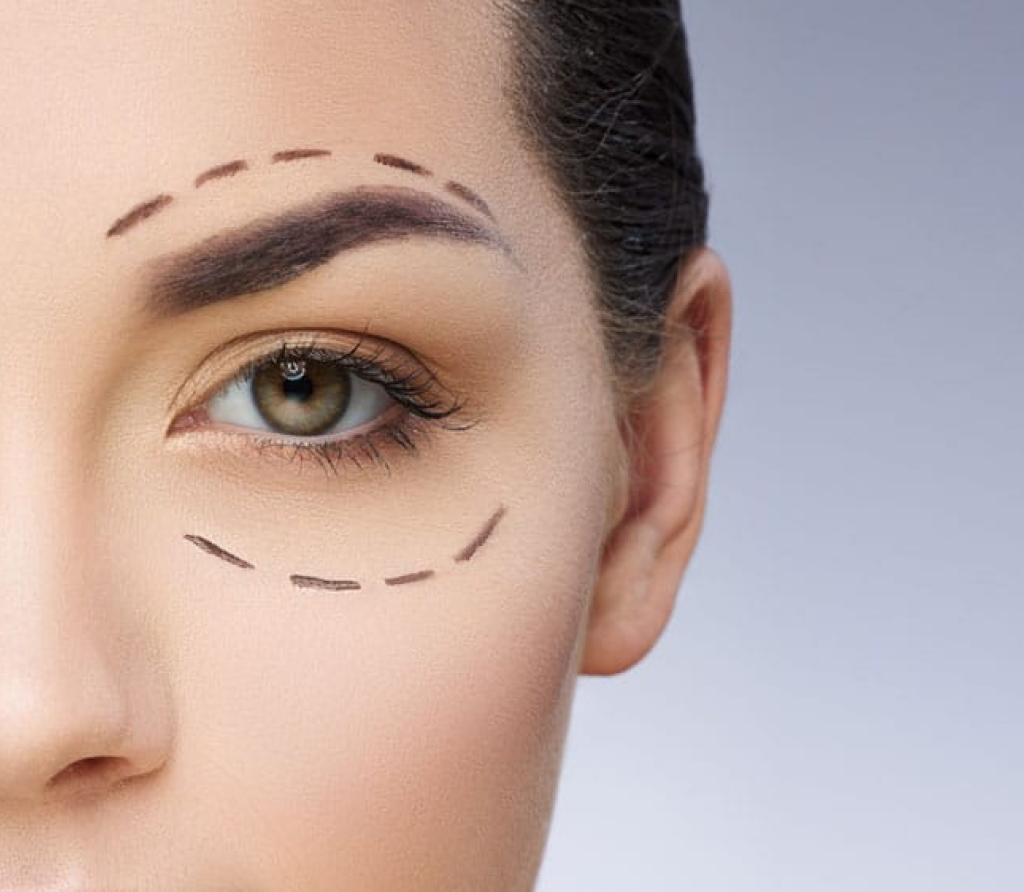
Marking: with you sitting upright, the surgeon carefully marks the skin to be removed and the incision lines.
Anaesthesia: local anaesthetic is injected around the eyelids, and sedation or general anaesthesia is given if it has been agreed.
The operation: the surgeon removes or repositions skin, muscle and fat as planned, then closes the incisions with fine stitches or skin glue.
Recovery room: cool compresses may be applied and you are monitored until you are ready to leave, with eye ointment, any prescribed medicines and written aftercare instructions.
Follow-up: stitches are usually removed after about 5 to 7 days, with further reviews as your eyelids heal.

Aftercare
Careful aftercare helps reduce swelling and protects your eyes while they heal:
- Cool compresses: apply gently for short periods during the first 48 hours, as advised.
- Head raised: sleep with your head elevated for the first week.
- Eye care: use the drops or ointment prescribed, and do not rub your eyes.
- Contact lenses: wear glasses instead for about two weeks, or until your surgeon agrees.
- Screens and reading: rest your eyes; your eyes may tire more easily at first.
- Activity: avoid bending, heavy lifting, swimming and strenuous exercise for 2 to 3 weeks.
- Make-up: avoid eye make-up until the incisions have healed, usually after about two weeks.
- Sun protection: wear sunglasses outdoors to protect healing skin and scars.
Recovery, risks and results
Recovery: swelling and bruising are normal and are usually most noticeable in the first few days. Most visible bruising fades within 1 to 3 weeks, and many people return to desk-based work and social activities after about 10 to 14 days. Your eyes may feel dry, gritty or watery, and vision may be slightly blurred for a short time from ointment and swelling.
Scarring: upper eyelid scars sit in the natural crease and usually fade to a fine line over several months. Lower eyelid scars, when there is an external incision, sit just below the lashes. How scars heal varies between people.
Risks: possible complications include bleeding, infection, dry or irritated eyes, temporary difficulty closing the eyes fully, the lower lid pulling down or turning outward, asymmetry, too much or too little tissue removed, noticeable scarring, anaesthetic risks, and the need for further surgery. Bleeding behind the eye is rare but is an emergency because it can threaten vision; please contact us immediately if you have severe pain, increasing swelling or any change in vision.
Results: the eyes look fresher as swelling settles over several weeks, with the final result after a few months. Results are long-lasting, often for many years, especially after lower lid surgery, although the skin continues to age and results vary between people.
Cost: the cost depends on whether the upper lids, lower lids or both are treated, the technique, the type of anaesthesia and any combined procedures. We confirm a price after your consultation rather than quoting a fixed figure.
Frequently asked questions
Is eyelid surgery painful?
The area is numbed or you are asleep during surgery. Afterwards most people feel tightness and mild soreness, which is usually controlled with simple pain relief.
Will people see a scar?
Upper lid scars are hidden in the eyelid crease and are usually hard to see once healed. Lower lid surgery done from the inside of the lid leaves no visible scar.
When can I go back to work?
Many people return to desk-based work after about 10 to 14 days, once bruising has faded enough for them to feel comfortable.
Can eyelid surgery improve my vision?
If heavy upper lid skin is blocking part of your vision, removing it may widen your field of view. Your surgeon will assess this; it does not correct eyesight problems such as short-sightedness.
Will it get rid of dark circles?
Surgery can reduce bags and shadows caused by bulging fat, but it does not remove pigmentation. Skin treatments may help with this separately.
Can I have upper and lower eyelids done together?
Yes, many people do, and recovery happens at the same time. Your surgeon will advise whether one or both is right for you.
Book an eyelid surgery consultation at Stanford Clinics
If you are thinking about eyelid surgery, the first step is a consultation with one of our consultant plastic surgeons. We will listen to your concerns, examine your eyelids and brows, and explain the options, recovery and risks clearly, so you can decide in your own time.
Book your appointment online, call us or message us on WhatsApp. You can also find our contact details here.