

Cellulite Treatment in Bahrain
Overview
Provided by our dermatology team: Dr. Amal Fakhry, Dr. Samar Fakhry and Dr. Noha Elsayed, Dermatology Specialists. Last updated October 2026.
Cellulite is very common and is not a medical problem. It affects most women at some point, whatever their weight or fitness level. Some people still choose treatment because they would like the skin on their thighs, buttocks or abdomen to look smoother.
It is important to know from the start that current non-surgical treatments usually give a modest and temporary improvement. They can soften the look of dimpling, but they do not remove cellulite, and maintenance sessions are normally needed. At Stanford Clinics in Bahrain, every treatment starts with a consultation with a dermatologist, who will give you an honest view of what is realistic for your skin.
What is cellulite?
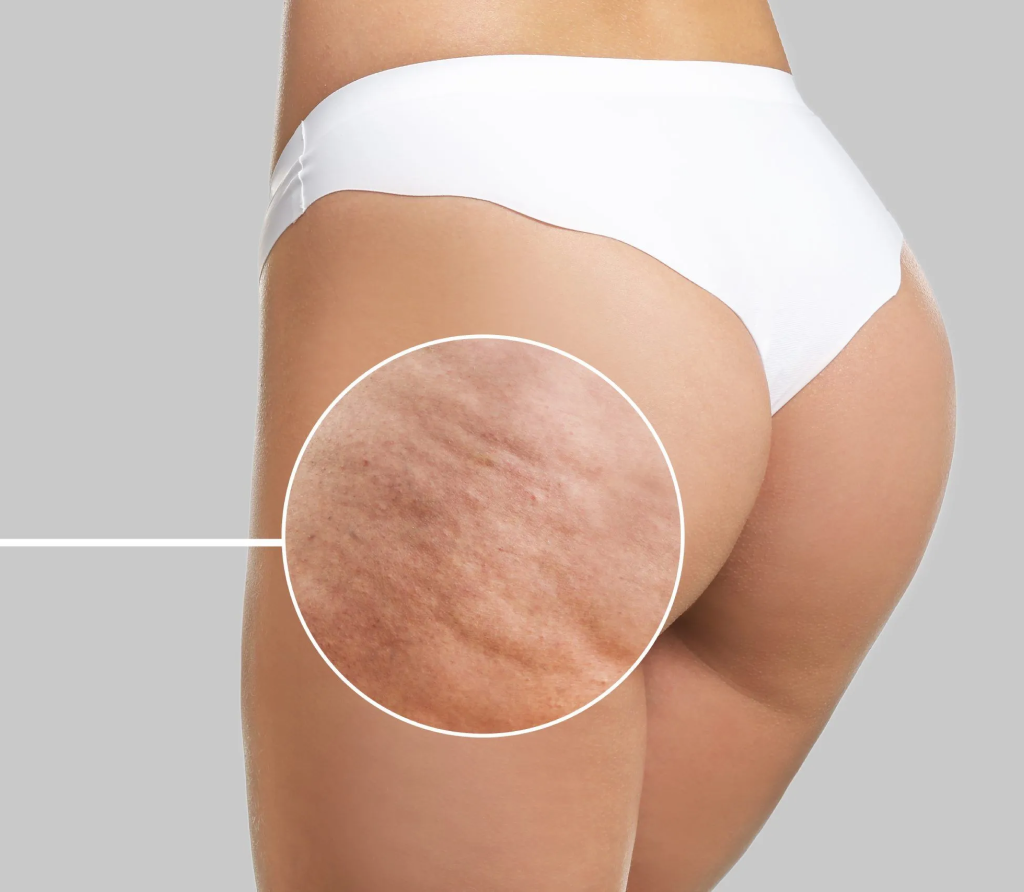
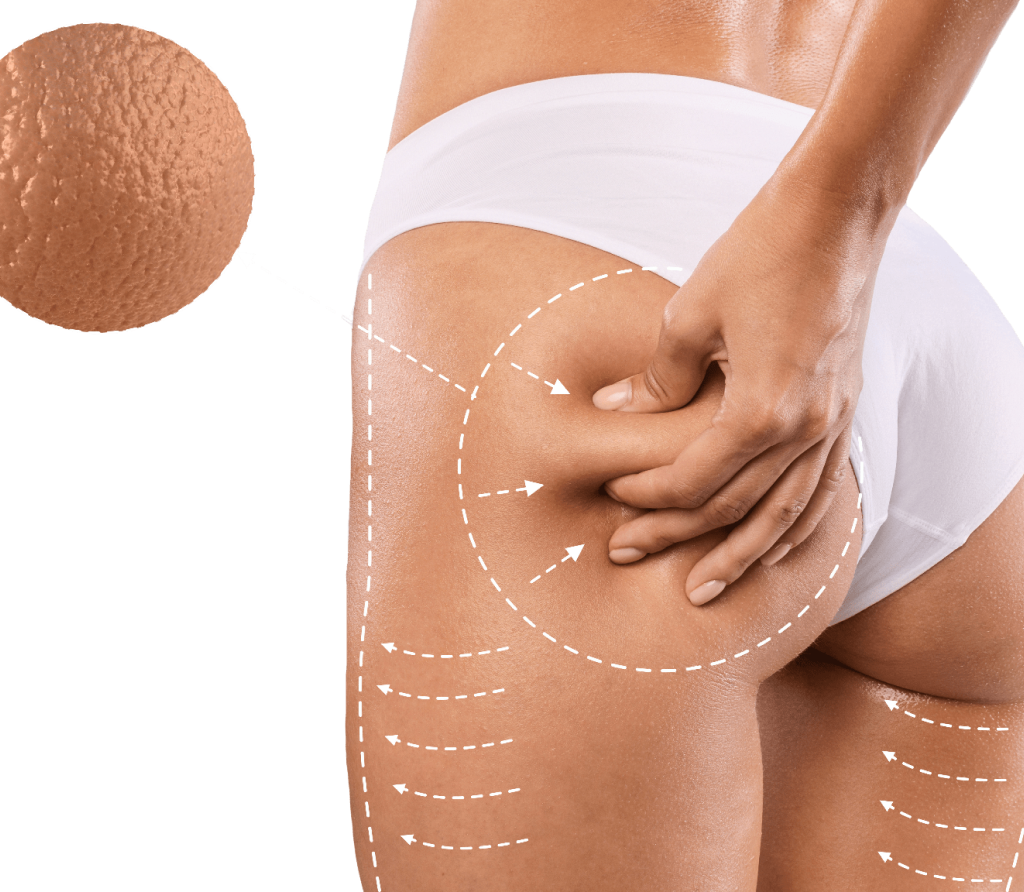
Cellulite is the dimpled or “orange peel” look of the skin, most often on the thighs, buttocks, hips and abdomen. Under the skin, fat sits in small compartments separated by fibrous bands. When these bands pull down on the skin while fat pushes upwards, the surface looks uneven.
Hormones, genetics, skin thickness, age and changes in weight all play a part, which is why cellulite is far more common in women and can appear in people who are slim and active. Thinner, less elastic skin with age can make it more noticeable.
Who cellulite treatment may suit
Cellulite treatment may suit you if you are in good general health, close to a stable weight, bothered by the look of dimpling in a particular area, and comfortable with a gradual, partial improvement rather than a complete change. Your dermatologist will examine the area, ask about your health and medications, and explain which approach, if any, is likely to help you.
Treatment options and what happens at your appointment
There is no single treatment that works for everyone, and many plans combine more than one approach. Options your dermatologist may discuss include:
- Radiofrequency (RF): a device gently heats the deeper layers of the skin and the tissue beneath. This can tighten the skin a little and soften the look of dimpling over a course of sessions. Some devices combine radiofrequency with suction (vacuum massage) or other energy types.
- Mesotherapy: a series of very small injections into the skin. It is sometimes used as part of a cellulite plan, although scientific evidence for its effect on cellulite is limited.
- Laser and fat-reduction (lipolysis) treatments: where excess fat in an area contributes to its appearance, reducing that fat may be considered. Fat reduction on its own does not always improve cellulite.
Your doctor will advise which option suits you. A typical treatment visit looks like this:
- Consultation: your dermatologist examines the area, reviews your medical history and agrees a plan and number of sessions with you.
- Preparation: the skin is cleansed and, for some treatments, photographs may be taken so progress can be compared.
- Treatment: the chosen treatment is carried out. Energy-based sessions usually feel warm; injections feel like small pinpricks.
- Aftercare: you receive aftercare advice and the date for your next session.
Most courses involve several sessions spaced one to a few weeks apart, depending on the treatment.
What treatment can and cannot do
Being clear about what to expect helps you decide whether treatment is worthwhile for you. With a course of sessions, treatment may:
- Can: soften the look of dimpling over a course of sessions.
- Can: make the skin in the area look a little smoother and firmer.
- Can: be done without surgery, usually with little or no downtime.
- Cannot: remove cellulite completely or permanently.
- Cannot: replace a healthy weight, exercise or weight-loss treatment.
- Keep in mind: results are usually modest, vary between people and need maintenance.
Aftercare, results, side effects and who should not have it
After energy-based treatments, the skin may look pink and feel warm for a few hours. After injections, small bumps, tenderness and bruising can last a few days. Most people return to normal activities the same day. Drinking enough water, staying active and keeping a stable weight can help you get the most from treatment.
Any improvement is usually gradual and becomes clearer a few weeks after a course. Results are modest and temporary: cellulite tends to return over months, so maintenance sessions are usually needed to keep the effect. Results vary between people, and some people notice little change.
Common side effects include redness, swelling, warmth, tenderness and bruising. Less commonly, energy-based treatments can cause blistering, burns or changes in skin colour, and injections can cause infection, lumps or skin reactions. Your dermatologist will explain the risks of the specific treatment planned for you.
Treatment may not be suitable during pregnancy or breastfeeding, if you have an active skin infection or open wounds in the area, a bleeding disorder or take blood-thinning medicines (for injections), or, for radiofrequency, a pacemaker or other implanted electronic device or metal implants in the area. Please tell your doctor about your full medical history.
Cellulite treatment cost in Bahrain
The cost of cellulite treatment depends on the treatment chosen, the size of the area and the number of sessions you need, so we confirm a price after your consultation rather than quoting a fixed figure. Your dermatologist will explain the plan and the cost before any treatment begins.
Frequently asked questions
Can cellulite be removed permanently?
No. Current non-surgical treatments can soften its appearance, but cellulite usually returns over time and maintenance sessions are needed.
Which cellulite treatment is most effective?
There is no single treatment that works for everyone. Your dermatologist will recommend an approach based on your skin, the area and your goals, and will tell you honestly if treatment is unlikely to help.
How many sessions will I need?
Most people need a course of several sessions, followed by occasional maintenance. The number depends on the treatment and how your skin responds.
Does treatment hurt?
Most energy-based treatments feel warm rather than painful. Injections cause brief stinging. Your doctor will aim to keep you comfortable throughout.
Will losing weight or exercising get rid of cellulite?
Exercise and a healthy weight can improve how the skin looks, but cellulite often remains even in people who are slim and active.
Is cellulite treatment a way to lose weight?
No. These treatments are aimed at the look of the skin, not at weight loss.
Book a cellulite treatment consultation at Stanford Clinics
Honest advice, tailored to you
If cellulite bothers you, the first step is a consultation with one of our dermatologists. We will examine the area, explain honestly what treatment can and cannot achieve for you, and recommend a plan only if it is likely to help. Results vary between people, and suitability is always decided at your consultation.
Book your appointment online, call us or message us on WhatsApp. You can also find our contact details here.