

Anti Aging Treatment in Bahrain
Provided by our dermatology team: Dr. Amal Fakhry, Dr. Samar Fakhry and Dr. Noha Elsayed, Dermatology Specialists. Last updated October 2026.
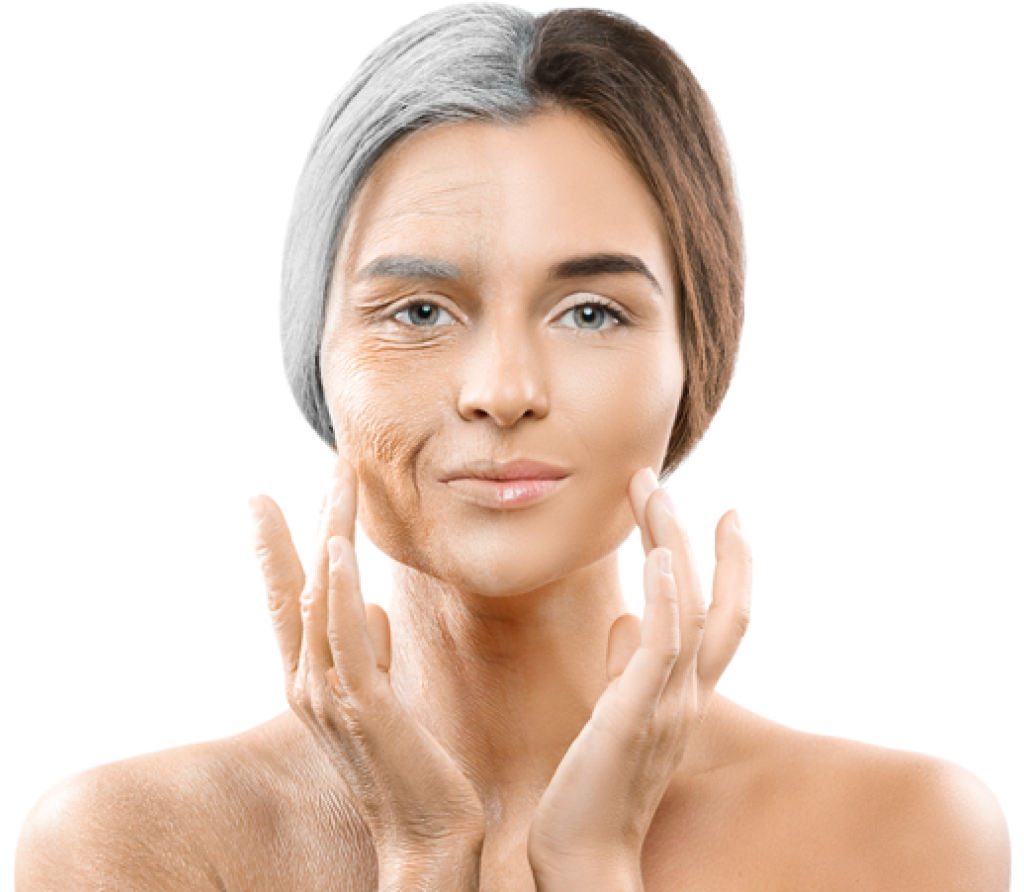
As skin ages it gradually makes less collagen and elastin, holds less moisture and repairs itself more slowly. Sun exposure adds to this. The result can be fine lines, wrinkles, loss of firmness, uneven tone and a duller texture.
Anti-aging treatment is not one procedure but a plan. At Stanford Clinics in Bahrain, a dermatologist assesses your skin, listens to what bothers you most and recommends one treatment or a combination that suits your skin, your goals and your lifestyle.
What are anti-aging treatments?
Anti-aging treatments are non-surgical procedures that aim to soften the visible signs of aging and improve the quality of the skin. Some work by relaxing the muscles that cause expression lines, others by encouraging the skin to produce new collagen, and others by removing or renewing the outer layers of the skin.
They cannot stop aging, and results are gradual and vary from person to person. Combined with daily sun protection and good skincare, they can help your skin look smoother, fresher and more even.
Who anti-aging treatments suit
Anti-aging treatments are suitable for both women and men. You may benefit if you:
- Lines and wrinkles: fine lines, expression lines or deeper creases you would like to soften.
- Loss of firmness: skin that feels less firm or looks slightly lax.
- Uneven tone: age spots, sun damage or patchy pigmentation.
- Rough or dull texture: skin that looks tired or feels uneven.
- Prevention: wanting to look after your skin as it ages, alongside good sun protection.
Signs of aging often become more noticeable from the 30s onwards, but some gentler treatments and good sun protection can help earlier. The right time depends on your skin, not just your age, and your dermatologist will advise what is appropriate.
Some treatments may need to be postponed or avoided, so please tell your doctor at your consultation if:
- Your skin is inflamed, infected or has an active rash in the area to be treated.
- You are pregnant or breastfeeding.
- You have recently taken, or are taking, medicines that affect skin healing or sun sensitivity.
- You have a history of cold sores, keloid scarring or a neuromuscular condition.
How your treatment plan is built
Every plan starts with your skin rather than a single product or device:
- Consultation: your dermatologist reviews your medical history, medications and skincare, and examines your skin.
- Plan: together you agree which concerns to treat first and which treatment, or combination, is most suitable.
- Preparation: you may be asked to avoid sun exposure or pause certain skincare products before treatment.
- Treatment: most sessions take between 20 and 60 minutes, depending on the procedure.
- Review: follow-up visits let us check your progress and adjust the plan.
Anti-aging treatment options
Botox (anti-wrinkle injections)
Botox is an injectable treatment that temporarily relaxes selected facial muscles to soften expression lines, such as frown lines, forehead lines and crow’s feet. Results usually appear within one to two weeks and last around 3 to 4 months. Read more about Botox at Stanford Clinics.
Laser treatment
Laser treatments use focused light energy to target specific layers of the skin. Ablative lasers remove a thin outer layer and usually involve more downtime, while non-ablative lasers heat the deeper skin without removing the surface and usually involve less. Depending on the type, laser can help with fine lines, sun damage, uneven tone and texture. Your dermatologist will advise which option suits your skin type.
Radiofrequency treatment
Radiofrequency (RF) treatment uses energy to gently heat the deeper layers of the skin, which encourages the production of collagen and elastin. It is non-surgical and is used to improve mild skin laxity and fine lines. Changes build up gradually over the weeks after treatment, and a course of sessions is usually needed.
Microneedling
Microneedling uses very fine needles to create tiny, controlled channels in the skin. This triggers the skin’s natural healing response and stimulates collagen, which can improve texture, fine lines and some scars over a course of treatments. Read more about microneedling at Stanford Clinics.
Chemical peels
A chemical peel is a solution applied to the skin that removes the outer layers in a controlled way, revealing fresher skin underneath. Peels range from light to deeper strengths and can help with fine lines, uneven tone, pigmentation and some acne scars. Read more about chemical peels at Stanford Clinics.
Microdermabrasion
Microdermabrasion gently exfoliates the surface of the skin using a specialised device. It can leave the skin feeling smoother and looking brighter, with little or no downtime. It is a mild treatment, best suited to dullness and rough texture rather than deeper wrinkles.
Recovery, results, risks and cost
Recovery: downtime depends on the treatment. Injections and microdermabrasion usually involve little or none. Microneedling, peels and lasers can cause redness, swelling, flaking or peeling for a few days, and longer after deeper treatments. Gentle skincare and strict sun protection afterwards are important for healing and for reducing the risk of pigmentation.
Results: most treatments work gradually, and many need a course of sessions. Results vary between people and are not permanent, because the skin continues to age. Maintenance treatments and daily sunscreen help results last longer.
Side effects and risks: common effects include temporary redness, swelling, tenderness and, with injections, bruising. Less common risks include infection, cold sore flare-ups, blistering, changes in skin colour (more likely in darker skin types) and, rarely, scarring. Botox can occasionally cause a temporary droop of the eyelid or eyebrow. Your dermatologist will explain the risks of your specific treatment.
Cost: the cost depends on which treatments are recommended, how many sessions you need and the areas treated, so we confirm a price after your consultation rather than quoting a fixed figure. Your dermatologist will explain the plan and the cost before treatment begins.
Frequently asked questions
Which anti-aging treatment is right for me?
It depends on your main concern. Expression lines, loss of firmness, pigmentation and texture each respond to different treatments. Your dermatologist will advise which option suits you after examining your skin.
At what age should I start?
There is no set age. Daily sun protection is helpful at any age, and treatments are recommended when they address a concern you have, not because of a number.
Can treatments be combined?
Often, yes. Combining approaches, for example muscle-relaxing injections with a skin-quality treatment, can address different signs of aging. Your doctor will plan the order and timing.
How soon will I see results?
Botox usually shows within one to two weeks. Collagen-stimulating treatments such as microneedling, radiofrequency and some lasers improve gradually over several weeks to months.
Are the results permanent?
No. Treatments improve the current signs of aging, but the skin continues to age. Maintenance treatments and sun protection help keep results for longer.
Who should avoid anti-aging treatments?
Some treatments are not suitable during pregnancy or breastfeeding, on infected or inflamed skin, or with certain medical conditions and medications. Tell your doctor about your medical history at your consultation.
Book an anti-aging consultation at Stanford Clinics
If you would like to improve the signs of aging in your skin, the first step is a consultation with one of our dermatologists at Stanford Clinics. We will examine your skin, talk through your goals and recommend a plan that suits you, whether that is a single treatment or a combination.
Book your appointment online, call us or message us on WhatsApp. You can also find our contact details here.