

Laser Carbon Peel in Bahrain
Overview
Provided by our dermatology team: Dr. Amal Fakhry, Dr. Samar Fakhry and Dr. Noha Elsayed, Dermatology Specialists. Last updated October 2026.
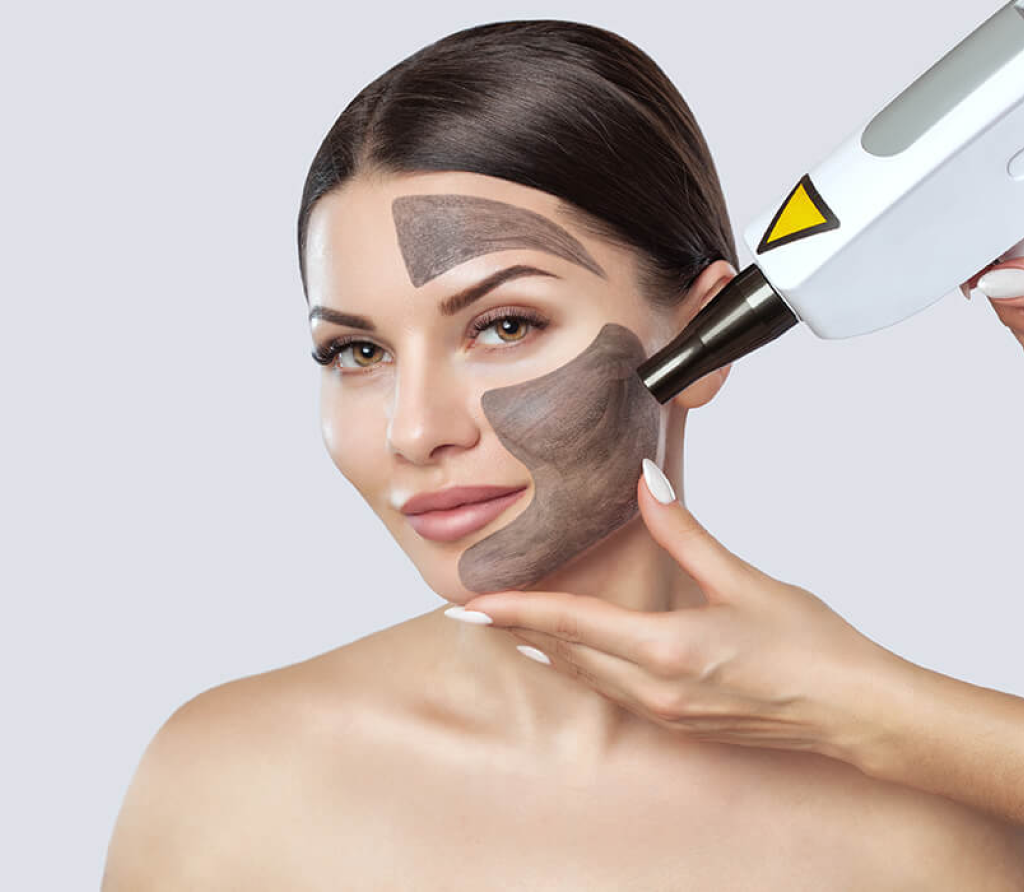
A laser carbon peel is a non-invasive skin treatment that combines a thin layer of carbon with a laser to deep-cleanse the pores and gently refresh the surface of the skin. It is mainly used for oily skin, congestion, enlarged-looking pores and a dull complexion.
At Stanford Clinics in Bahrain, every carbon peel starts with a consultation with a dermatologist, who examines your skin, talks through what you would like to improve and decides whether a carbon peel is the right option or whether another treatment would suit you better.
What is a laser carbon peel?
A carbon peel, sometimes called a laser facial or Hollywood facial, is a light-based treatment rather than a chemical peel. A carbon lotion is applied to the skin and then treated with a laser. The carbon absorbs the laser energy, which helps lift away surface oil, debris and dead skin cells, while gentle heat reaches the upper layers of the skin.
It is mostly used on the face, although it can be used on some other areas of the body; your doctor will advise whether it suits the area you have in mind. Many people notice fresher, smoother-looking skin straight after a session. Changes in pores, oiliness and texture are usually subtle and build over a course of treatments.
Who a carbon peel suits
A carbon peel can suit people who want a gentle skin refresh with little or no downtime. Your dermatologist may suggest it if you have:
- Oily skin: skin that looks shiny or greasy through the day.
- Congested pores: blackheads and clogged pores.
- Enlarged-looking pores: pores that appear more visible.
- Mild acne: as part of a wider plan agreed with your dermatologist.
- Dull or uneven skin: a tired-looking complexion or rough texture.
- Little time for downtime: you want a gentle treatment you can fit into your day.
How it works and what happens at your appointment
During treatment, the carbon lotion acts as a target for the laser. As the laser passes over the skin, the carbon particles break up and are lifted away, taking excess oil and surface dead cells with them. The gentle heat produced in the skin is also thought to support collagen renewal over time, although this effect is modest.
A carbon peel is different from chemical peels, which use acids to exfoliate the skin. Your dermatologist will explain which approach suits your skin. A typical session takes around 30 to 45 minutes:
- Consultation: your dermatologist reviews your skin, medical history and medications and agrees the plan with you.
- Cleansing: your face is cleansed to remove make-up and oil.
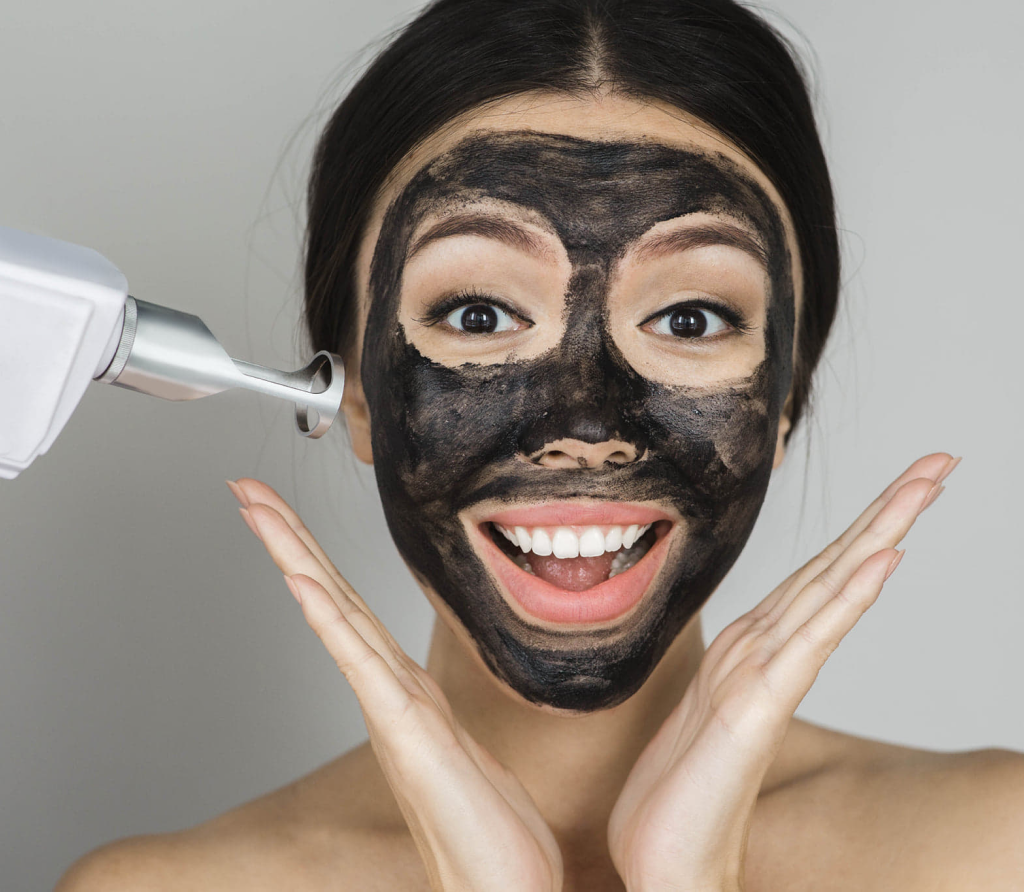
- Carbon layer: a thin layer of carbon lotion is applied and left to dry for a few minutes.
- Laser: you wear protective eyewear while the laser is passed over the skin. Most people feel warmth or a light snapping or prickling sensation.
- Finish: any remaining carbon is cleansed away and a soothing moisturiser and sunscreen are applied.
Aftercare and recovery
Most people return to normal daily activities straight away. The skin may look slightly pink or feel warm and tight for a few hours, and occasionally for a day or two.
To help your skin settle:
- Use a gentle cleanser and moisturiser for the first few days.
- Apply a broad-spectrum sunscreen every day and avoid strong sun exposure.
- Avoid scrubs, retinoids and exfoliating acids for a few days, or as your doctor advises.
- Avoid saunas, steam rooms and very hot showers for 24 to 48 hours.
- Do not pick or scratch the skin.
A cool compress can help if the skin feels warm. Contact the clinic if you notice blistering, crusting or redness that does not settle.
Results, side effects and who should not have it
Many people notice that their skin looks brighter and feels smoother right after a session. Improvements in oiliness and the appearance of pores are usually gradual and temporary, so a course of several sessions a few weeks apart is often recommended, with occasional maintenance sessions after that. How many sessions you need, and how long results last, varies between people and depends on your skin and skincare routine. A carbon peel will not remove deep wrinkles, sagging or deep acne scars.
A carbon peel is generally well tolerated. Common, temporary side effects include redness, a feeling of warmth or tightness, dryness and mild flaking. Some people have a short-lived breakout. Less commonly, the skin can develop darker or lighter patches (pigment changes), particularly in darker skin types or after sun exposure. Rarely, blistering or burns can occur. Protective eyewear is always used to protect your eyes from the laser.
A carbon peel may not be suitable if you are pregnant, have an active skin infection, cold sores, broken or sunburnt skin, have recently used isotretinoin or medicines that make the skin sensitive to light, or have a history of keloid scarring. Tell your doctor about your medical history and any medications or skincare products you use.
Laser carbon peel cost in Bahrain
The cost of a laser carbon peel depends on the area treated and the number of sessions your skin needs, so we confirm a price after your consultation rather than quoting a fixed figure. Your dermatologist will explain the plan and the cost before any treatment begins.
Frequently asked questions
Does a carbon peel hurt?
Most people find it comfortable. You may feel warmth and a light snapping or prickling sensation while the laser is used.
Is there any downtime?
Usually very little. Mild redness often settles within a few hours, so most people go back to work or their day straight away.
How many sessions will I need?
Many people have a course of several sessions a few weeks apart. Your dermatologist will suggest a plan based on your skin and goals.
Can it help with acne?
It may help with oiliness and congestion in mild acne, but it is not a cure. Moderate or severe acne usually needs medical treatment, which your dermatologist can discuss with you.
Is it suitable for darker skin?
It can be used on a range of skin types, but darker skin has a higher risk of pigment changes. Your dermatologist will assess your skin and may suggest a test area first.
Can I wear make-up afterwards?
Ideally, wait until the next day, and use clean brushes and gentle products.
Possible benefits at a glance
With a course of sessions planned by a dermatologist, a carbon peel may help to:
- Leave the skin looking brighter and feeling smoother.
- Reduce surface oil and help clear congested pores.
- Make pores look less noticeable over a course of sessions.
- Gently remove dead skin cells for a more even texture.
- Support mild acne care alongside other treatments.
- Fit into a busy day, with little or no downtime.
Book a laser carbon peel consultation at Stanford Clinics
If you are considering a laser carbon peel, the first step is a consultation with one of our dermatologists. We will examine your skin, listen to what you would like to improve and recommend a plan that suits you, whether that is a carbon peel alone or combined with other treatments. Results vary between people, and suitability is always decided at your consultation.
Book your appointment online, call us or message us on WhatsApp. You can also find our contact details here.