

Hydrafacial in Bahrain
Provided by our dermatology team: Dr. Amal Fakhry, Dr. Samar Fakhry and Dr. Noha Elsayed, Dermatology Specialists. Last updated October 2026.
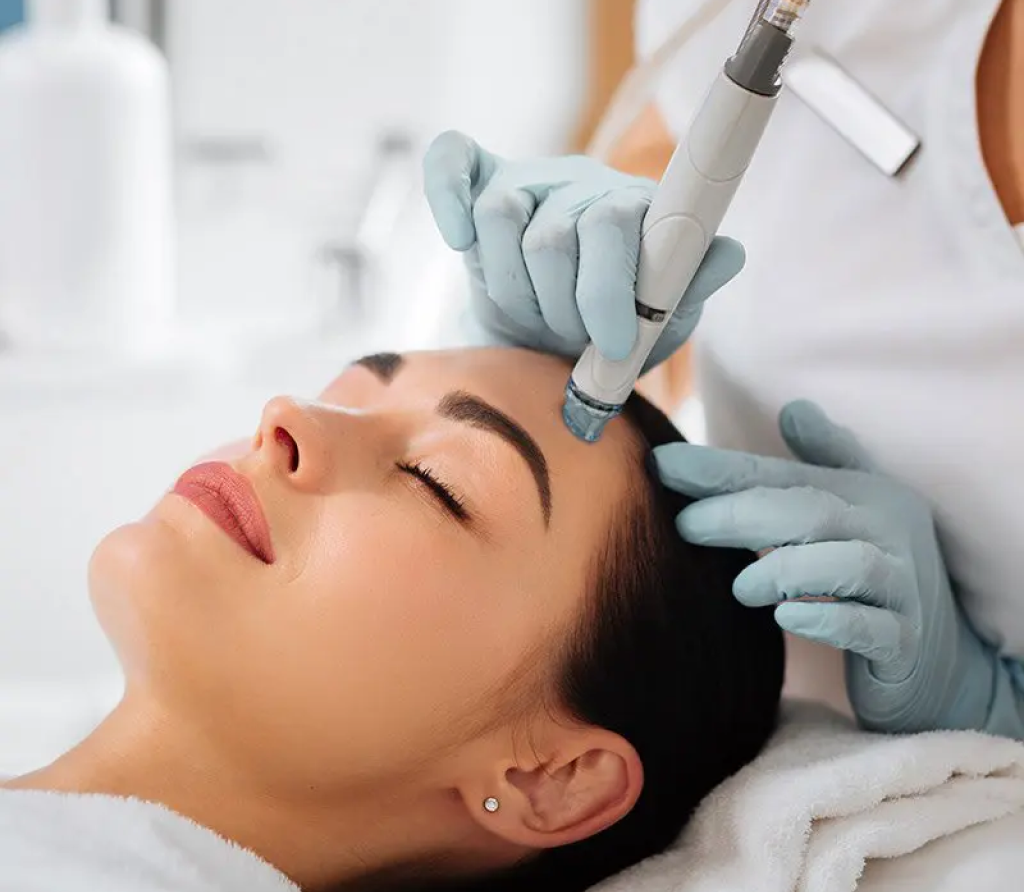
HydraFacial is a non-invasive facial treatment that cleanses, exfoliates, extracts and hydrates the skin in a single session. It is a gentle treatment with no expected downtime, and many people choose it to refresh their skin or as part of a regular skincare routine.
At Stanford Clinics in Bahrain, your skin is assessed before treatment so the session can be adjusted to your skin type and concerns, and so we can advise whether HydraFacial is the right choice for you.
What is HydraFacial?
HydraFacial is a branded treatment performed with a dedicated HydraFacial device. It combines several steps that are often done separately in a facial: cleansing, exfoliation, a gentle acid peel, extraction of impurities from the pores, and infusion of hydrating and antioxidant serums.
It is sometimes described as “hydradermabrasion” because it exfoliates the skin like microdermabrasion while delivering serums at the same time. The effect is mainly on the surface of the skin: it can leave skin looking cleaner, smoother and more hydrated, but it is not designed to treat deep wrinkles, scars or skin laxity.
What happens during a HydraFacial
A session usually takes around 30 to 60 minutes, depending on the steps included. A typical treatment follows these steps:
- Skin check: your skin is assessed and the session is planned around your skin type and concerns.
- Cleansing and exfoliation: a gentle swirling tool removes dead skin cells and excess oil from the surface.
- Acid peel: a mild solution containing glycolic and salicylic acid loosens dirt and oil in the pores.
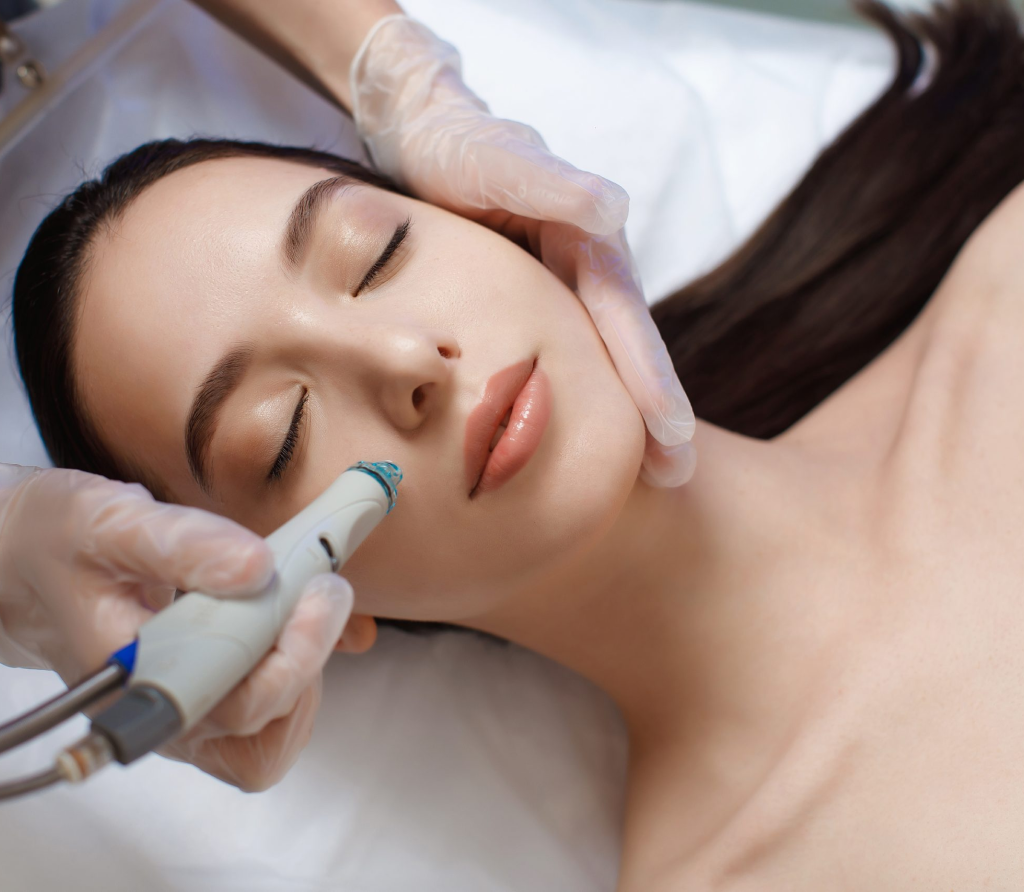
- Extraction: gentle suction clears blackheads and debris from the pores.
- Hydration: serums containing ingredients such as hyaluronic acid, antioxidants and peptides are infused into the skin.
- Protection: protective serums are applied to finish the treatment.
Optional add-on steps or boosters can be included for specific concerns. Your skin specialist will advise which option suits you.
Who HydraFacial suits
HydraFacial is generally suitable for most skin types and may help if you have:
- Dull or tired-looking skin that you would like to refresh.
- Dehydrated or dry skin that feels tight.
- Congested skin with blackheads, clogged pores or oiliness.
- Uneven texture or the look of enlarged pores.
- Fine lines, where improved hydration can make them look softer.
- An upcoming event, as there is no expected downtime.
It is a maintenance and skin-health treatment rather than a solution for deeper concerns such as acne scars, deep wrinkles or stubborn pigmentation, which usually need other treatments. If you have active acne, rosacea or sensitive skin, your dermatologist will advise whether HydraFacial is suitable and how to adjust it.
HydraFacial cost in Bahrain
The cost of a HydraFacial depends on the type of session, whether add-on steps or boosters are included, and whether it is combined with other treatments such as chemical peels. We confirm a price after your skin assessment rather than quoting a fixed figure, and we will explain the cost before treatment begins.
Aftercare, results and side effects
Aftercare: most people go straight back to their normal day. For the first 24 hours, avoid make-up if you can, saunas, steam rooms and strenuous exercise, and avoid exfoliating products, retinoids and acids for a couple of days. Use a gentle moisturiser and a broad-spectrum sunscreen every day.
Results: many people notice that their skin looks cleaner, brighter and more hydrated straight after a session. The effect is temporary and usually lasts days to a few weeks, so HydraFacial is often repeated, for example about once a month, as part of a skincare routine. Results vary from person to person.
Side effects: HydraFacial is generally well tolerated. Mild redness, warmth or a tight feeling can occur and usually settles within a few hours. Less commonly, the skin can feel irritated or a few spots can appear in the days after extraction. Rarely, people react to an ingredient in the peel or serums.
Who should wait or avoid it: please tell your doctor if you are pregnant or breastfeeding, have sunburn, an active rash, open wounds, a cold sore or a skin infection on the face, are allergic to salicylic acid or aspirin, or have recently used isotretinoin or other medicines that make the skin more sensitive. Your doctor will advise whether to postpone or adjust treatment.
Book a HydraFacial consultation at Stanford Clinics
Every HydraFacial at Stanford Clinics starts with an assessment of your skin. We talk through your concerns and current skincare, check that the treatment is suitable for you, and adjust the session to your skin type.
- Dermatology-led care: treatments are planned with input from our dermatology team, so skin conditions can be recognised and treated appropriately.
- Part of a wider plan: if your skin would benefit from other treatments, we can discuss combining them safely.
What to expect:
- Consultation: an assessment of your skin, medical history and goals.
- Treatment: a HydraFacial session adjusted to your skin type and concerns.
- Follow-up: advice on aftercare, home skincare and how often to repeat treatment, if you wish.
If you would like to refresh your skin with a HydraFacial, or are unsure which facial treatment suits you, the first step is a skin assessment at Stanford Clinics. We will look at your skin, listen to your goals and recommend a plan that suits you.
Book your appointment online, call us or message us on WhatsApp. You can also find our contact details here.
Frequently asked questions
It depends on your skin and goals. Many people have a session about once a month, while others have one before an event or less often. We will suggest a schedule after assessing your skin.
Most people find it comfortable. You may feel gentle suction and a mild tingling during the peel step.
It is often suitable, as the steps and products can be adjusted. If you have rosacea, eczema or very reactive skin, your dermatologist will advise whether it is right for you.
No downtime is usually expected. Some people have mild redness for a few hours. You can usually return to normal activities straight away, following the aftercare advice you are given.
Often, yes. It can be part of a wider skincare plan alongside other treatments. Your doctor will advise on timing and which combinations suit your skin.
It can help clear congested pores and refresh oily skin, but it is not a treatment for active inflammatory acne or for acne scars. Your dermatologist can recommend suitable treatments for these concerns.