

Sunburn Treatment in Bahrain
Provided by our dermatology team: Dr. Amal Fakhry, Dr. Samar Fakhry and Dr. Noha Elsayed, Dermatology Specialists. Last updated October 2026.
Sunburn is skin damage caused by too much ultraviolet (UV) radiation from the sun. In Bahrain’s strong sun it can happen quickly, even on cloudy or hazy days. Most mild sunburn settles with simple care at home within a few days, but severe sunburn can make you unwell and may need medical attention.
Repeated sunburn also adds up over time, increasing the risk of early skin ageing, pigmentation and skin cancer. At Stanford Clinics in Bahrain, our dermatologists can assess sunburn, advise on treatment and help you deal with longer-term sun damage once the skin has healed.
What is sunburn?
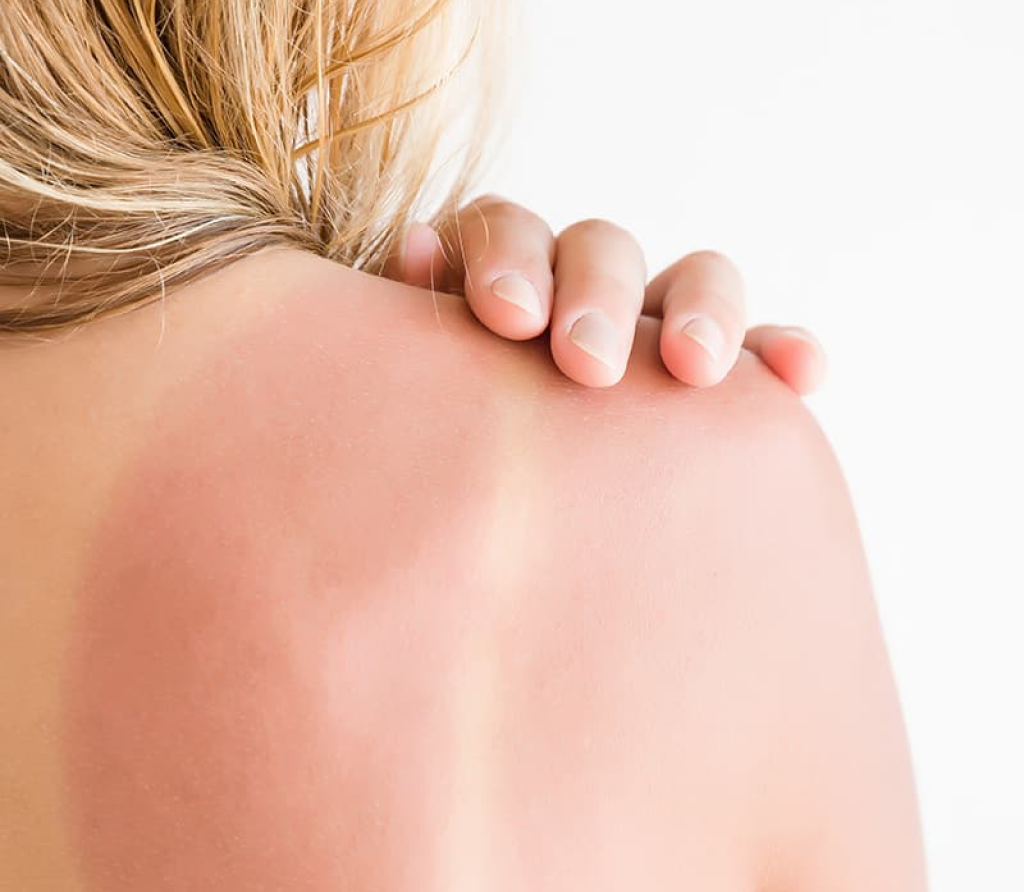
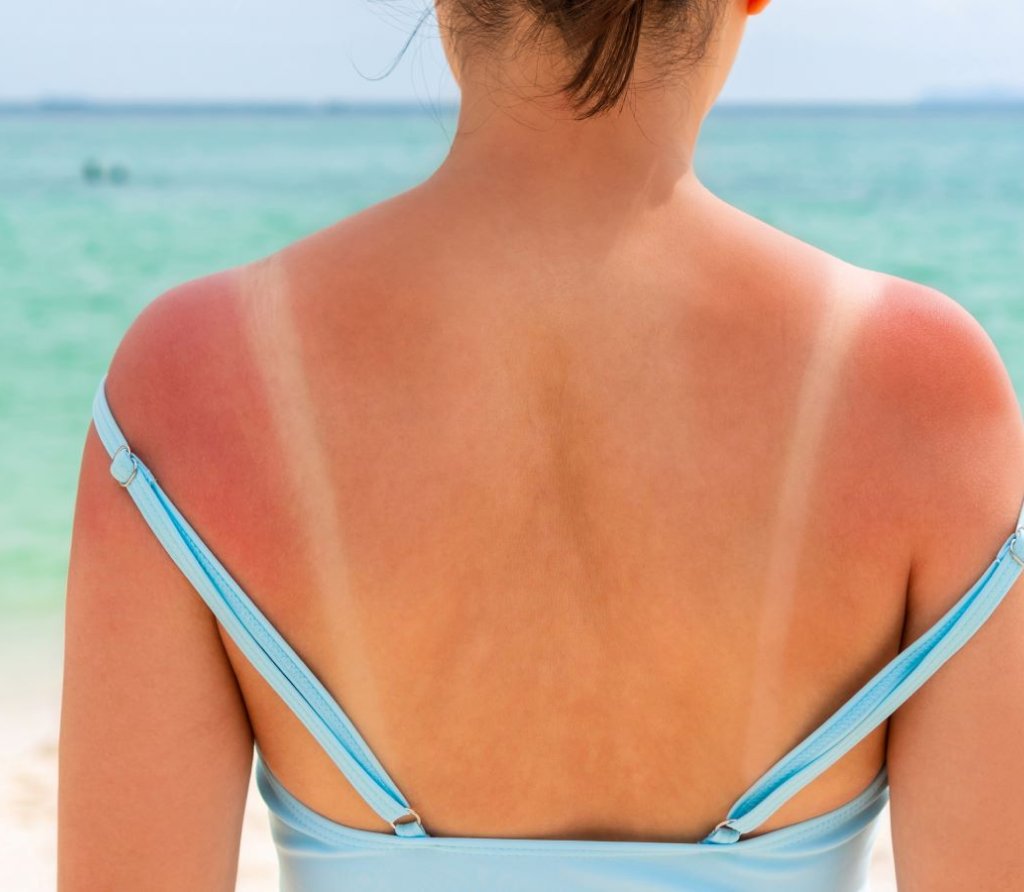
Sunburn makes the skin red or darker than usual, sore, warm to the touch and sometimes swollen. Redness may be harder to see on darker skin. Symptoms usually appear a few hours after sun exposure and are often worst between 24 and 72 hours. Over the following days the skin may itch and peel as it heals.
More severe sunburn can cause blisters, headache, fever, chills, nausea and dehydration. Long-term, too much UV exposure is a major cause of skin cancer, including melanoma, basal cell carcinoma and squamous cell carcinoma, which is why preventing further burns matters.
Why sunburn needs proper care
Sunburn cannot be reversed, but the right care helps you feel more comfortable and lets the skin heal well. Good sunburn care aims at:
- Easing pain and inflammation: making the skin more comfortable while it heals.
- Preventing dehydration: replacing fluid lost through burnt skin.
- Lowering the risk of infection: protecting blisters and broken skin.
- Avoiding further damage: keeping burnt skin out of the sun to reduce the risk of long-term harm.
Caring for sunburn at home
For mild sunburn, these steps usually help:
- Get out of the sun: move indoors or into shade as soon as you notice your skin burning.
- Cool the skin: take a cool (not cold) shower or bath, or apply a cool damp cloth for 10 to 15 minutes several times a day. Do not put ice directly on the skin.
- Moisturise: use a gentle, fragrance-free moisturiser or aloe vera gel. Avoid heavy oils or butter, which can trap heat.
- Drink extra water: sunburn draws fluid to the skin, so rehydrate to help prevent dehydration.
- Ease pain: over-the-counter pain relief such as paracetamol or ibuprofen can help, if it is safe for you. Follow the label and ask a pharmacist if you are unsure.
- Leave blisters alone: do not pop them. Cover broken blisters loosely with a clean, non-stick dressing.
- Wear loose clothing: soft, loose cotton is more comfortable and protects the skin while it heals.
- Avoid further sun: keep burnt skin covered and out of the sun until it has fully healed.
When to seek urgent medical care
Go to the nearest emergency department or call 999 if you or someone you are caring for has:
- blistering over a large area of the body, or severe pain or swelling
- a fever, chills or feeling very unwell
- confusion, dizziness, fainting or a severe headache
- signs of dehydration, such as extreme thirst, a dry mouth, very little urine or dark urine
- sunburn in a baby or young child
Book a doctor’s appointment if blisters become red, hot, painful or start to leak pus, as these can be signs of infection, or if the sunburn is not improving after a few days.
How our dermatologists can help
If your sunburn is more than mild, keeps happening or is not healing as expected, a dermatologist can help. At your appointment:
- Assessment: your dermatologist examines the affected skin and asks about your symptoms, sun exposure, medical history and any medicines you take, as some medicines make the skin more sensitive to the sun.
- Treatment plan: you receive advice on caring for the burn and, where appropriate, a prescribed treatment to ease inflammation and discomfort.
- Blister and wound care: guidance on looking after blisters and broken skin to lower the risk of infection.
- Follow-up: once the skin has healed, your dermatologist can talk to you about protecting your skin and treating any lasting sun damage.
Laser and light-based treatments are not used on active sunburn. They are only considered once the skin has fully healed, to improve longer-term sun damage.
Laser treatment for long-term sun damage
Years of sun exposure can leave sun spots, uneven pigmentation, fine lines and rough texture. Once your skin has fully healed, laser and light-based treatments may help to:
- Fade sun spots: lighten brown spots caused by sun exposure.
- Even out skin tone: reduce patchy pigmentation.
- Improve texture: make rough, sun-damaged skin feel smoother.
- Tailored plan: settings and the number of sessions are adjusted to your skin type and the damage present.
The number of sessions you need depends on the type and amount of sun damage, and your doctor will advise which option suits you. Most people return to normal activities quickly, although the skin may be red and slightly swollen for a few days, and treated spots can darken before they flake away.
Results build gradually and vary between people. They are not permanent if the skin keeps being exposed to the sun, so daily sun protection is essential. Possible side effects include redness, swelling, discomfort, and, less commonly, blistering, darker or lighter patches of skin, or scarring. Laser treatment may not be suitable if you are pregnant, have a tan or recent sunburn, an active skin infection, or take medicines that make the skin sensitive to light. Any changing or unusual spot should be checked by a dermatologist before treatment.
Preventing sunburn
Prevention is the most effective way to protect your skin from sunburn and its long-term effects:
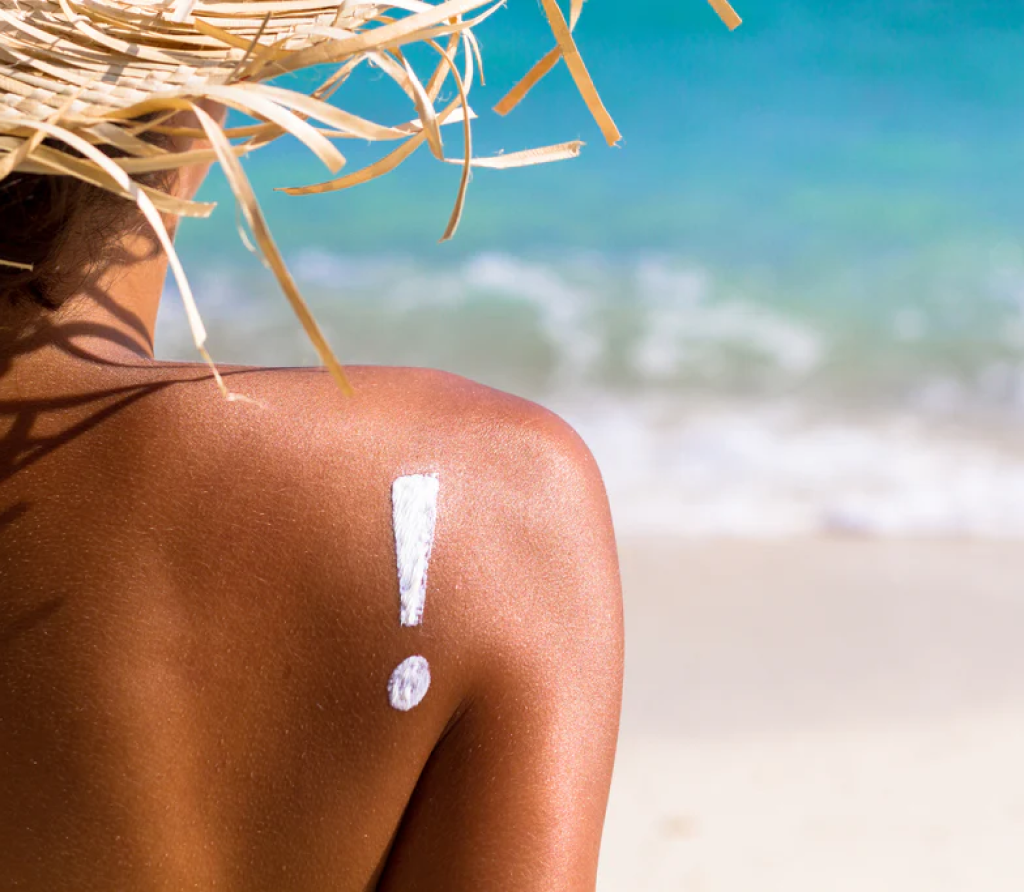
- Use sunscreen: apply a broad-spectrum sunscreen of SPF 30 or higher generously to all exposed skin about 15 to 30 minutes before going outside. Reapply at least every two hours, and after swimming, sweating or towelling.
- Remember easy-to-miss areas: ears, neck, scalp partings, the backs of the hands and the tops of the feet.
- Cover up: wear loose clothing that covers your arms and legs, a wide-brimmed hat and UV-protective sunglasses.
- Seek shade: UV is usually strongest between 10 a.m. and 4 p.m. Plan outdoor activities for earlier or later in the day where possible.
- Take care near water and sand: they reflect sunlight and increase your exposure.
- Protect children: keep babies out of direct sun and make sure children wear sunscreen, hats and protective clothing.
- Check your medicines: some medicines and skincare products make you burn more easily. Ask your doctor or pharmacist.
Regular skin checks
Checking your skin regularly helps you notice changes early. See a dermatologist if a mole or spot is new, changing in size, shape or colour, bleeding, itching or not healing. Stanford Clinics offers skin examinations, and your dermatologist can advise how often you should be checked based on your skin type and sun exposure history.
Sunburn and sun damage treatment cost in Bahrain
The cost depends on what you need, for example a consultation and advice for sunburn, prescribed treatment, or a course of laser sessions for long-term sun damage. We confirm a price after your consultation rather than quoting a fixed figure, and your dermatologist will explain the plan and the cost before any treatment begins.
Frequently asked questions
How long does sunburn take to heal?
Mild sunburn usually improves within 3 to 7 days. More severe sunburn with blisters can take longer, and the skin may peel as it heals.
Should I pop sunburn blisters?
No. Blisters protect the skin underneath. Let them heal on their own and cover any that break with a clean, non-stick dressing.
Can I use aloe vera or moisturiser?
Yes. Gentle, fragrance-free moisturisers or aloe vera gel can soothe the skin. Avoid products containing alcohol or perfume, which may sting.
When is sunburn an emergency?
Seek urgent care for blistering over large areas, fever, confusion, dizziness or fainting, signs of dehydration, or sunburn in a baby or young child.
Can laser treat sunburn?
No. Laser and light-based treatments are not used on sunburnt skin. Once the skin has fully healed, they may help with long-term sun damage such as sun spots and uneven tone.
Does a tan protect me from sunburn?
Only a little. A tan is a sign that the skin has already been damaged by UV, so you still need sun protection.
Book a sunburn treatment consultation at Stanford Clinics
If you have sunburn that worries you, keep getting burnt, or would like help with sun damage, the first step is a consultation with one of our dermatologists. We will examine your skin, explain your options and recommend a plan that suits you. Results vary between people, and suitability for any treatment is decided at your consultation. For severe symptoms, please seek urgent care rather than waiting for an appointment.
Book your appointment online, call us or message us on WhatsApp. You can also find our contact details here.