

Skin Tightening and Lifting in Bahrain
Overview
Provided by our dermatology team: Dr. Amal Fakhry, Dr. Samar Fakhry and Dr. Noha Elsayed, Dermatology Specialists. Last updated October 2026.
As we age, the skin gradually loses collagen and elastin, the proteins that keep it firm and springy. Sun exposure, weight changes and genetics also play a part. The result can be mild sagging along the jawline, softer contours, loose skin on the neck and fine creases.
Non-surgical skin tightening uses controlled heat or small, controlled injuries to stimulate the skin to make new collagen. Thread lifts add a gentle mechanical lift. At Stanford Clinics in Bahrain, our dermatology team assesses your skin and explains what these treatments can realistically achieve. In summary, they can offer:
- A gradual improvement in mildly to moderately loose skin.
- A subtle lifting and firming effect.
- Little or no downtime with most energy-based treatments.
- No general anaesthetic or surgical incisions.
- Results that develop naturally over a few months.
Depending on your skin and goals, options may include radiofrequency, focused ultrasound, laser, microneedling and thread lifts, used alone or combined. These treatments give a modest, gradual improvement. They are not a replacement for a surgical facelift, which may be more suitable if there is significant sagging.
How skin tightening and lifting work
Skin tightening with energy-based devices
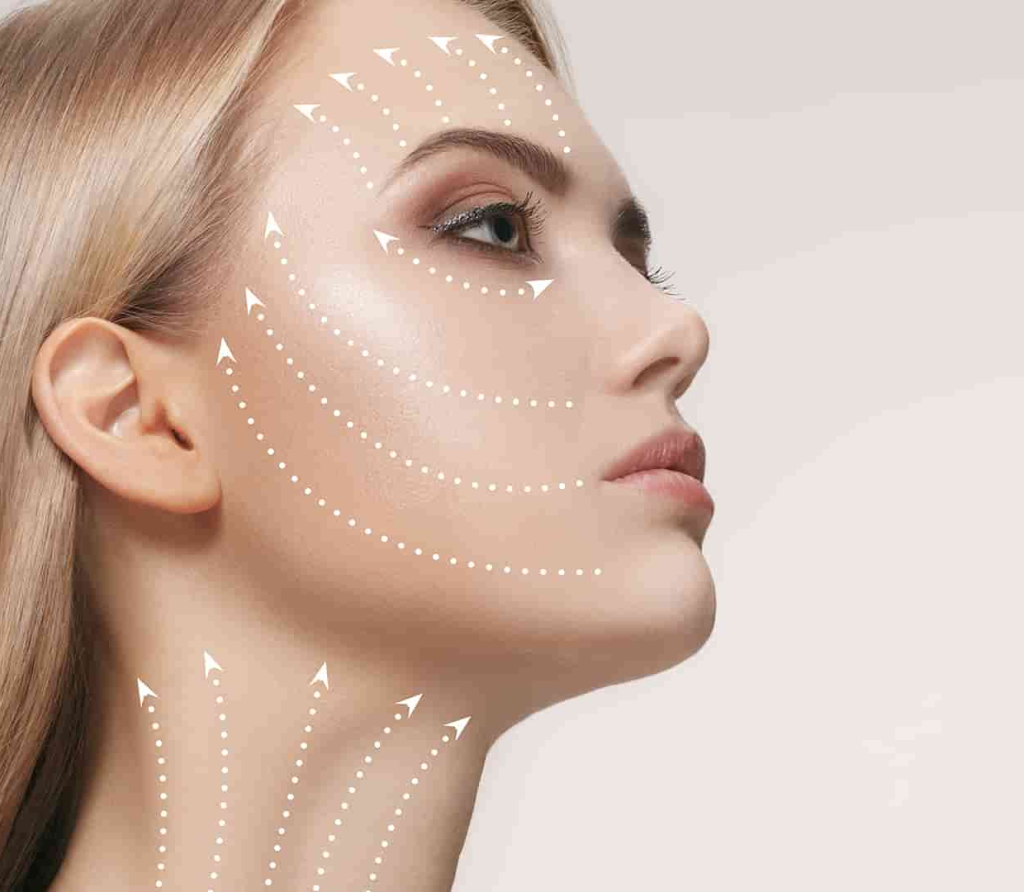
Energy-based treatments, such as radiofrequency, focused ultrasound and some lasers, heat the deeper layers of the skin to a controlled temperature. This causes existing collagen to contract and triggers the skin to build new collagen over the following months. They work best for early to moderate laxity and are often used to help maintain firmness over time.
Skin lifting with threads
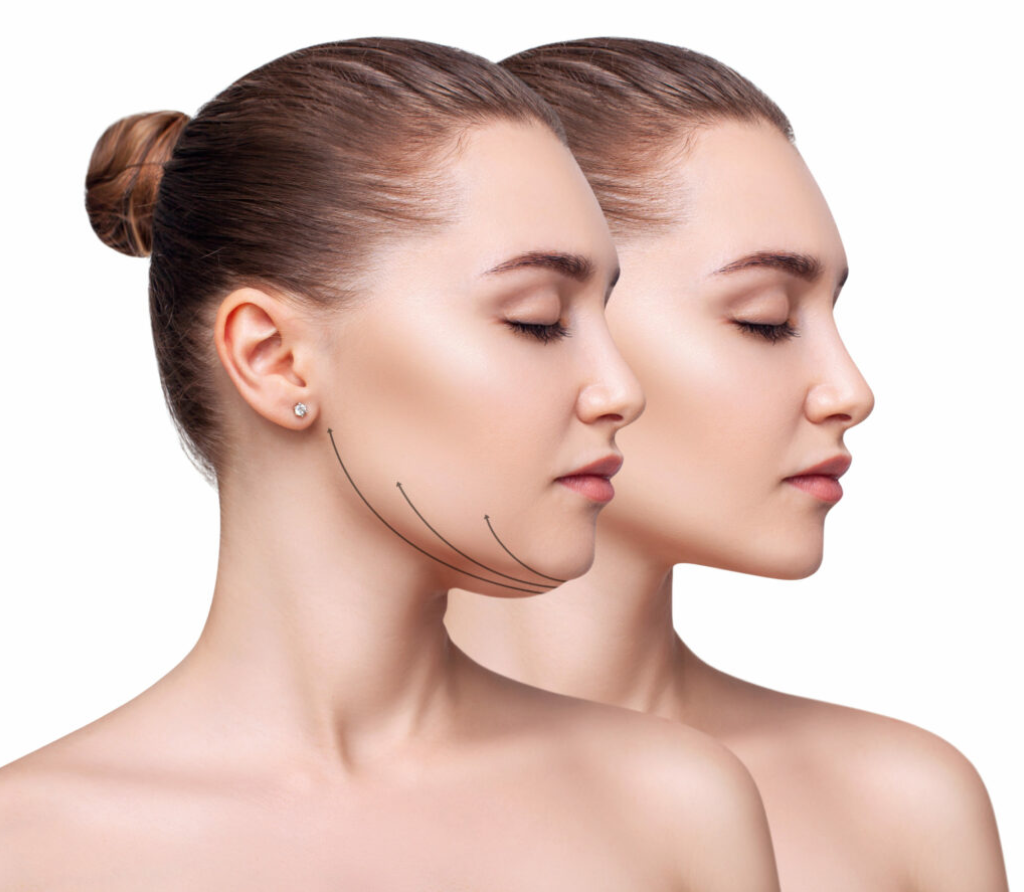
In a thread lift, fine dissolvable threads are placed under the skin through a small needle or cannula, usually under local anaesthetic. The threads give an immediate, subtle lift and also stimulate collagen as they slowly dissolve. They are commonly used for the cheeks, jawline, eyebrows and neck.
Who skin tightening suits
Non-surgical tightening tends to suit adults with mild to moderate skin laxity, good general health and realistic expectations. People with significant sagging or a lot of excess skin usually see more benefit from surgery, and your dermatologist will tell you honestly if that is the case.
Some treatments may need to be postponed or avoided if you:
- Are pregnant or breastfeeding.
- Have a pacemaker, implanted electronic device or metal implants in the treatment area (for some energy-based devices).
- Have an active skin infection, cold sores or open wounds in the area, or a history of keloid scars.
- Take blood thinners, have a bleeding disorder, or have poorly controlled diabetes or an autoimmune condition (especially for thread lifts and microneedling).
- Have recently taken isotretinoin (Roaccutane) or had fillers or other procedures in the same area.
Treatment options and your appointment
Your treatment starts with a consultation. A typical appointment involves:
- Consultation: your dermatologist reviews your medical history, medicines and previous treatments, and examines your skin.
- Plan: you agree which treatment or combination suits you, how many sessions you may need and what results are realistic.
- Preparation: the skin is cleaned, and a numbing cream or local anaesthetic is used where needed.
- Treatment: sessions usually take 30 to 90 minutes, depending on the method and area.
- Aftercare and review: you receive written instructions and a follow-up to check your progress.
The main options are described below.
Radiofrequency (RF)
- How it works: radiofrequency energy heats the deeper skin layers to stimulate collagen. It can be used on the face, neck and some body areas.
- Sessions: depending on the device, one session or a course of several sessions a few weeks apart.
- What to expect: a warm sensation during treatment and mild redness or swelling for a few hours. Rarely, burns, blisters or small dents in the skin can occur.
Laser
- How it works: laser energy heats the skin to encourage collagen production and improve skin texture.
- Best for: fine lines, crepey skin and uneven texture, often alongside other tightening treatments.
- What to expect: redness and swelling for a few hours to several days depending on the laser. Temporary pigment changes can occur, especially on darker skin.
- How it works: very fine needles create tiny channels in the skin, which trigger natural healing and collagen production. Some devices combine microneedling with radiofrequency.
- Sessions: usually a course of around 3 to 6 sessions, about 4 weeks apart.
- What to expect: redness and mild swelling for 1 to 3 days, sometimes with pinpoint bleeding or light flaking.
Thread lift
- How it works: dissolvable threads are placed under the skin to lift tissue and stimulate collagen.
- Results: a subtle lift is visible straight away and develops further over the following weeks. Results commonly last around a year, though this varies.
- What to expect: swelling, bruising and tenderness for about 1 to 2 weeks. Possible risks include skin dimpling, asymmetry, visible or palpable threads, infection and threads working their way out, which may need removal.
Recovery, results, side effects and cost
Aftercare
- Use a gentle cleanser and moisturiser, and a broad-spectrum sunscreen (SPF 30 or higher) every day.
- Avoid saunas, steam rooms and strenuous exercise for 24 to 48 hours.
- After a thread lift, avoid wide mouth opening, facial massage and pressure on the face for about two weeks, and sleep on your back if advised.
- Contact the clinic if you have increasing pain, redness, swelling or fever.
Recovery and results
Most people return to normal activities the same day or within a few days, depending on the treatment. Results from energy-based treatments and microneedling build gradually over 2 to 6 months as new collagen forms, and often last a year or more. Ageing continues, so maintenance sessions are usually recommended. Results vary between people and depend on skin quality, age, lifestyle and the treatment chosen.
Side effects and risks
Common, temporary effects include redness, swelling, tenderness and bruising. Less commonly, there can be temporary numbness, pigment changes or acne flares. Rare risks include burns, blistering, scarring, infection, nerve irritation and, with threads, dimpling, asymmetry or threads that need removing. Your dermatologist will explain the risks of the treatment recommended for you.
Cost of skin tightening in Bahrain
The cost depends on the treatment, the areas treated and the number of sessions you need, so we confirm a price after your consultation rather than quoting a fixed figure.
Frequently asked questions
When will I see results?
A thread lift gives a subtle lift straight away. With energy-based treatments and microneedling, improvement appears gradually over 2 to 6 months.
Is it painful?
Most people feel heat, prickling or pressure. Numbing cream or local anaesthetic is used where needed, and the level of discomfort depends on the treatment.
How many sessions will I need?
It depends on the method. Some devices need one session, while microneedling is usually a course of several. Your dermatologist will advise you.
Can non-surgical tightening replace a facelift?
No. It can improve mild to moderate laxity, but it cannot remove excess skin or match the result of surgery.
Is there downtime?
Usually little with radiofrequency or focused ultrasound. Microneedling and some lasers cause a few days of redness, and thread lifts may cause swelling and bruising for 1 to 2 weeks.
Can I combine treatments?
Yes, combinations are common, for example radiofrequency with microneedling, or tightening alongside injectables. Your dermatologist will plan the timing safely.
Key points to remember
- Non-surgical tightening gives a gradual, modest improvement, not the result of a facelift.
- The right treatment depends on how much laxity you have and your skin type.
- Results develop over 2 to 6 months and need maintenance to last.
- Daily sun protection and healthy skin habits help protect your results.
Book a skin tightening consultation at Stanford Clinics
Your first step
If you are noticing early sagging or loss of firmness, the first step is a consultation with our dermatology team. We will assess your skin, explain which treatments are likely to help and whether a non-surgical approach is right for you, and agree a realistic plan.
Book your appointment online, call us or message us on WhatsApp. You can also find our contact details here.