

Microneedling Bahrain
Overview
Provided by our dermatology team: Dr. Amal Fakhry, Dr. Samar Fakhry and Dr. Noha Elsayed, Dermatology Specialists. Last updated October 2026.
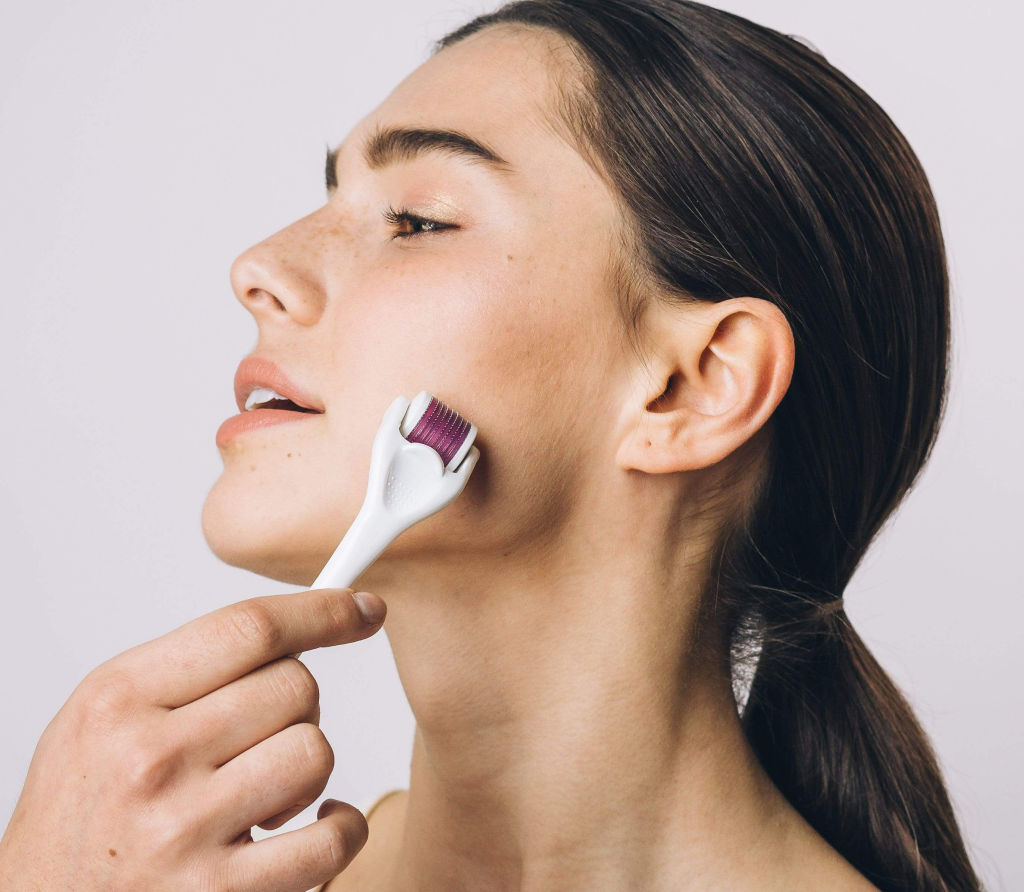
Microneedling is a minimally invasive skin treatment that uses very fine needles to create thousands of tiny, controlled channels in the skin. This prompts the skin’s natural healing response, which can gradually improve texture, acne scars, fine lines and enlarged-looking pores.
At Stanford Clinics in Bahrain, every microneedling treatment starts with a consultation with a dermatologist, who examines your skin, discusses your goals and plans a course of treatment that suits your skin type. You can meet our doctors here.
What is microneedling?
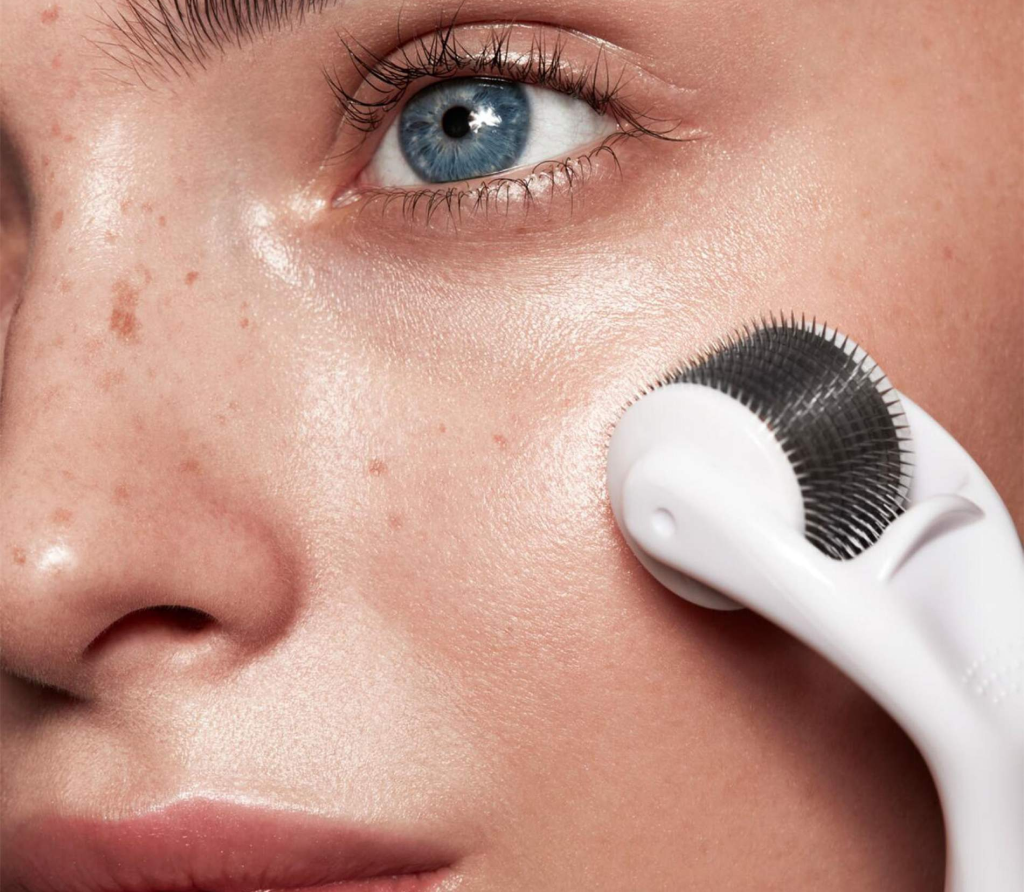
Microneedling is also called collagen induction therapy. A medical device with fine, sterile needles is moved across the skin, making tiny punctures at a depth chosen for your skin and the area being treated.
The skin treats these micro-injuries as a signal to repair itself. Over the following weeks it produces new collagen and elastin, the proteins that keep skin firm and smooth. Because the surface of the skin stays largely intact, healing is usually quicker than with deeper resurfacing treatments, and microneedling can often be used on a wide range of skin tones.
What microneedling can treat
Microneedling is most often used on the face, but can also be used on the neck, chest and some areas of the body. Your dermatologist may recommend it for:
- Acne scars: especially rolling and boxcar scars.
- Uneven texture: rough or bumpy skin.
- Fine lines: early lines around the eyes, mouth and forehead.
- Enlarged-looking pores: refining the look of the skin surface.
- Loss of firmness: mild loss of skin elasticity.
- Uneven tone: mild sun damage and dullness.
- Other scars and stretch marks: some improvement in certain cases.
Who microneedling suits
Microneedling may suit adults in good general health who want gradual improvement in skin texture, scarring or fine lines, and who can follow a course of sessions. It is often suitable for darker skin tones, although there is still a small risk of pigment changes.
It is not suitable for everyone. We do not treat during pregnancy, over active acne breakouts, skin infections, cold sores or open wounds, or if you have an active skin condition such as eczema or psoriasis in the area. Extra caution or a different plan may be needed if you have used isotretinoin (Roaccutane) recently, tend to form keloid scars, have a bleeding disorder, take blood-thinning medication or have poorly controlled diabetes. Your dermatologist will decide whether microneedling is suitable for you at your consultation.
What happens during your appointment
A typical session takes around 45 to 60 minutes, including preparation:
- Consultation: your dermatologist reviews your medical history and skin, and agrees a plan, including the number of sessions.
- Preparation: the skin is cleansed and a numbing cream is applied for about 20 to 30 minutes.
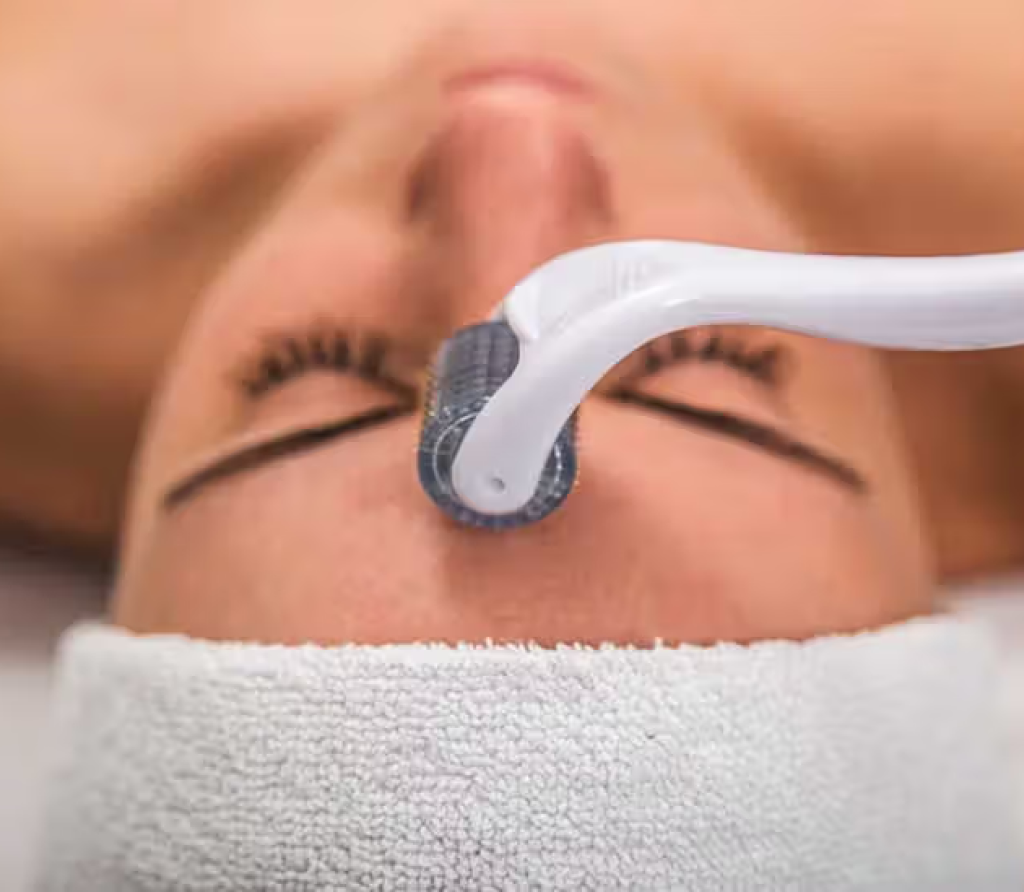
- Treatment: the device is moved across the treatment area in sections. A serum, such as hyaluronic acid, may be used to help the device glide.
- Soothing: the skin is cleaned and a calming product is applied.
- Aftercare advice: you receive instructions for the next few days and a plan for your next session.
Aftercare and recovery
Straight after treatment your skin will look red and feel warm and tight, similar to a mild sunburn. This usually settles within 1 to 3 days. Some people have light flaking, swelling or small marks for a few days after that. Most people return to normal activities the next day.
To help your skin heal:
- avoid makeup for 24 hours
- use a gentle cleanser and the moisturiser your doctor recommends
- avoid retinoids, exfoliating acids, scrubs and active serums for about 3 to 5 days
- use a broad-spectrum sunscreen every day and avoid strong sun
- avoid strenuous exercise, saunas, steam rooms and swimming for 24 to 48 hours
- do not pick at any flaking skin
If your main concern is skin laxity, you may also want to read about skin tightening and lifting.
Results and how long they last
Your skin may look fresher within a week or two, but most of the improvement comes gradually as new collagen forms over the following months. Most people need a course of around 3 to 6 sessions spaced about 4 to 6 weeks apart, and deeper acne scars may need more.
Improvements in texture and scarring can be long-lasting, but your skin continues to age, so many people choose occasional maintenance sessions. Results vary from person to person, and microneedling improves scars rather than removing them completely.
Most people find the treatment tolerable with numbing cream. You may feel a prickling or vibrating sensation, with more sensitivity over bony areas such as the forehead.
Side effects, risks and cost
Microneedling is generally well tolerated when performed by trained clinicians with sterile, single-use needles. Common, temporary side effects include redness, swelling, tenderness, dryness and flaking, and occasional pinpoint bleeding or bruising. Less common risks include infection, cold sore flare-ups, acne breakouts, an allergic reaction to a product applied to the skin, and darkening of the skin (post-inflammatory hyperpigmentation). Scarring is rare. Contact us if you notice increasing pain, swelling, pus or a rash after treatment. At-home rollers are not a substitute for a medical treatment and carry a higher risk of infection.
Microneedling cost in Bahrain
The cost of microneedling depends on the area treated, whether it is combined with another treatment such as PRP and how many sessions you need, so we confirm a price after your consultation rather than quoting a fixed figure. Your dermatologist will explain the plan and the cost before any treatment begins.
Frequently asked questions
Does microneedling hurt?
Numbing cream is applied first, so most people feel prickling or pressure rather than pain. Bony areas can feel more sensitive.
How much downtime is there?
Redness usually lasts 1 to 3 days, sometimes followed by light flaking. Most people return to work the next day.
How many sessions will I need?
Usually 3 to 6 sessions about 4 to 6 weeks apart. Acne scars may need more. Your dermatologist will tailor the plan to your skin.
When will I see results?
Skin can look fresher within a couple of weeks, but improvements in texture and scars build gradually over several months.
Is microneedling suitable for darker skin?
It is often suitable for darker skin tones, but there is still a small risk of pigment changes, so settings and aftercare are planned carefully.
Can microneedling be combined with PRP?
Yes. PRP is sometimes applied during microneedling, particularly for acne scars. Your dermatologist can advise whether this suits you.
Why patients choose microneedling
When planned and performed by a qualified team, microneedling offers:
- A minimally invasive treatment with short downtime.
- Gradual, natural-looking improvement using your skin's own repair process.
- Smoother texture and softer acne scars over a course of sessions.
- Often suitable for a wide range of skin tones.
- Can be used on the face, neck, chest and some body areas.
- Can be combined with PRP or other treatments where suitable.
- A plan adjusted to your skin at every session.
Book a microneedling consultation at Stanford Clinics
If you are considering microneedling for acne scars, texture or fine lines, the first step is a consultation with one of our dermatologists. We will examine your skin, explain what microneedling can realistically achieve and recommend a plan that suits you, whether that is microneedling alone or combined with other treatments.
Book your appointment online, call us or message us on WhatsApp. You can also find our contact details here.