

O Shot & G Shot Treatment in Bahrain
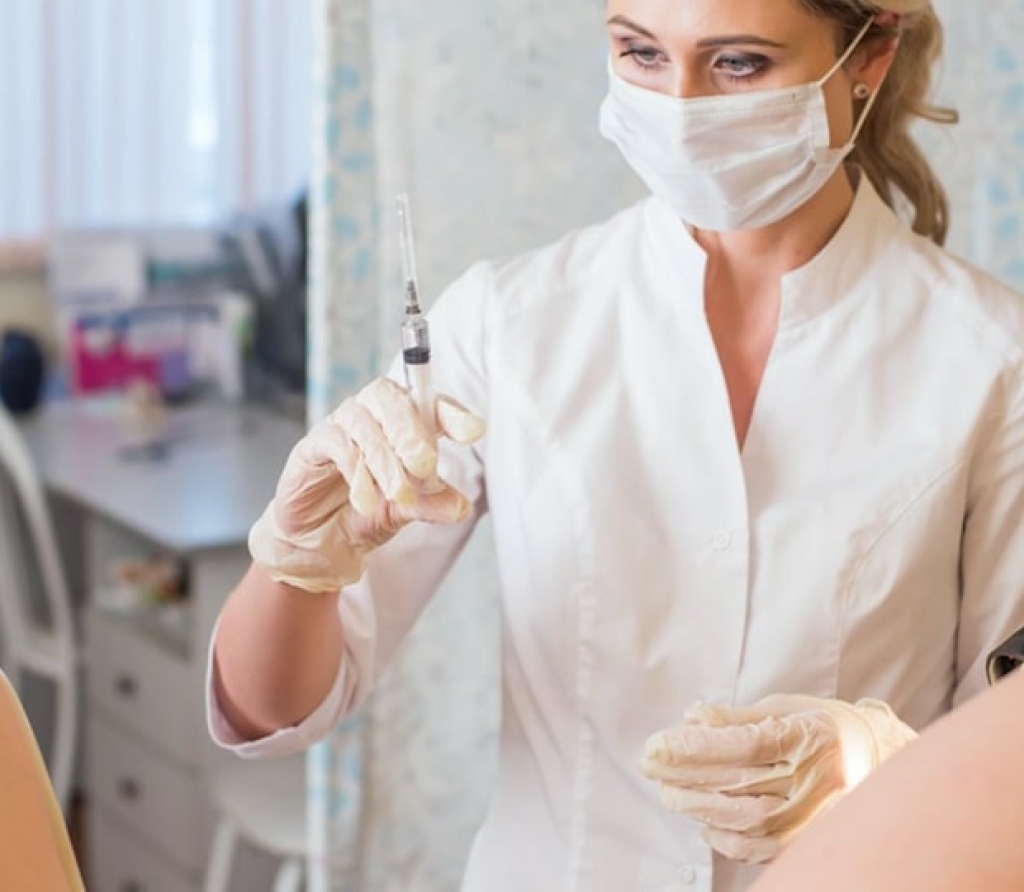
Provided by our women’s health and cosmetic gynecology team at Stanford Clinics. Last updated October 2026.
“O-Shot” and “G-Shot” are names commonly used for intimate injections of platelet-rich plasma (PRP), a concentrate prepared from a small sample of your own blood. They are offered to some women with concerns such as vaginal dryness, discomfort or mild bladder leakage.
It is important to be clear from the start: the scientific evidence for these treatments is limited, and results vary considerably between women. At Stanford Clinics in Bahrain, we begin with a private consultation to understand your symptoms, look for any underlying cause and discuss honestly whether PRP is a reasonable option for you alongside established treatments.
What are the O-Shot and G-Shot?
Both treatments use PRP, which contains a higher concentration of platelets than normal blood. Platelets release growth factors that play a role in tissue repair, and the idea is that injecting them may support blood supply and tissue health in the treated area. The two names refer mainly to where the PRP is injected:
- O-Shot: PRP is injected into the area around the clitoris and the upper front wall of the vagina.
- G-Shot: PRP is injected into a specific area of the front wall of the vagina.
What these treatments are being used for
- Vaginal dryness and irritation: including symptoms around and after menopause.
- Mild stress urinary incontinence: small leaks when coughing, laughing or exercising.
- Discomfort during intimacy: where linked to dryness or tissue changes.
- Vulval skin quality: some women seek improvement in the texture of the outer skin.
- Important: evidence for all of these uses is limited, and benefit is not guaranteed.
Who may consider it, and who should not
PRP intimate injections may be discussed if you have symptoms such as vaginal dryness or discomfort, or mild stress urinary incontinence, and would like to explore options alongside or after standard treatments. You may be a candidate if you are:
- In good general health, with no active infection.
- Experiencing vaginal dryness or discomfort, including around menopause.
- Experiencing mild bladder leakage and have already tried, or are willing to try, pelvic floor exercises.
- Unable or preferring not to use hormone treatment, after discussing this with your doctor.
- Comfortable with the fact that the evidence is limited and results vary.
Who should not have it: PRP injections are not recommended during pregnancy or breastfeeding, if you have an active vaginal, urinary or pelvic infection, unexplained vaginal bleeding or an uninvestigated abnormal cervical screening result, a blood or platelet disorder, a current cancer, or if you take blood-thinning medicines (unless your doctor advises otherwise). Please tell us about your full medical history and medications at consultation.
How it works and what happens at your appointment
The treatment uses your own blood, so there is no risk of an allergic reaction to the PRP itself. A typical appointment takes around 45 to 60 minutes:
- Consultation: your doctor reviews your symptoms, medical history and medications, examines you and explains the possible benefits, limitations and risks before you give consent.
- Numbing: a numbing cream is applied to the treatment area.
- Blood sample and preparation: a small amount of blood is taken from your arm and spun in a centrifuge to concentrate the platelets.
- Injection: the PRP is injected with a very fine needle into the planned areas. This part takes only a few minutes.
- After treatment: you can go home shortly afterwards with written aftercare advice, and a review is arranged to assess your response.
Aftercare and side effects
Most women return to normal activities the same day. We usually advise:
- Avoiding sexual intercourse for around 2 to 3 days, or as advised.
- Avoiding tampons, baths, swimming and saunas for 2 to 3 days.
- Avoiding strenuous exercise for 24 hours.
- Wearing loose, comfortable underwear.
Side effects: common, short-lived effects include soreness, swelling, bruising or light spotting at the injection sites, and a temporary feeling of fullness or increased sensitivity. Less commonly, women experience a urinary tract infection, other infection, or temporary discomfort when passing urine or during intercourse. Contact us if you have fever, increasing pain, heavy bleeding or difficulty passing urine.
Results, evidence and cost
Some women report improvement in symptoms such as dryness, comfort or mild bladder leakage within a few weeks, while others notice little or no change. Where improvement occurs, it is usually temporary, and repeat treatments may be discussed.
A note on evidence: research on PRP for intimate and sexual health is at an early stage. Most studies are small, short-term or lack a comparison group, and there is not yet good evidence that PRP improves sexual function, sensation or orgasm. We do not promise these outcomes. We will always discuss established options, such as pelvic floor physiotherapy, vaginal moisturisers and, where appropriate, local hormone treatment, and refer you for further assessment if needed.
O-Shot and G-Shot cost in Bahrain
The cost depends on the treatment areas and the number of sessions recommended, so we confirm a price after your consultation rather than quoting a fixed figure. The plan and cost are explained before any treatment begins.
Frequently asked questions
Is the treatment painful?
A numbing cream is applied first, and very fine needles are used. Most women describe brief discomfort or pressure.
How many sessions will I need?
Some women have a single treatment, while others are offered a second session after a few months. Your doctor will advise based on your symptoms and response.
Will it improve my sex life?
There is not enough evidence to say that PRP improves sexual function or pleasure, and results vary. If symptoms such as dryness or pain affect intimacy, we will help you understand all the possible causes and options.
Can it treat bladder leakage?
Some small studies suggest possible improvement in mild stress urinary incontinence, but the evidence is limited. Pelvic floor physiotherapy remains the recommended first step.
How long do results last?
This varies. When women do notice benefit, it is usually reported to last months rather than years.
Is PRP safe?
Because it is made from your own blood, serious reactions are uncommon, but any injection carries risks such as bruising, infection and discomfort, which we discuss with you before treatment.
Book an O-Shot or G-Shot consultation at Stanford Clinics
If symptoms such as dryness, discomfort or mild bladder leakage are affecting you, the first step is a confidential consultation with our women’s health and cosmetic gynecology team. We will listen, examine you respectfully, explain what the evidence does and does not show, and discuss all your options, including those that do not involve injections. Suitability is confirmed at consultation, and results vary from person to person.
Book your appointment online, call us or message us on WhatsApp. You can also find our contact details here.