

Laser Vaginal Rejuvenation in Bahrain

Provided by our women’s health and cosmetic gynecology team at Stanford Clinics. Last updated October 2026.
Laser vaginal rejuvenation is a non-surgical, energy-based treatment that applies controlled laser energy to the vaginal wall and, where needed, the external vulval skin. It is mainly used for symptoms such as vaginal dryness and irritation, particularly around and after menopause.
It is important to know that the evidence for these treatments is still developing. At Stanford Clinics in Bahrain we start with a private consultation to understand your symptoms, examine you, and discuss honestly whether laser is a reasonable option for you or whether another treatment is more appropriate.
What is laser vaginal treatment and how does it work?
The treatment uses a fractional laser, delivered through a slim probe inserted into the vagina. The laser creates tiny, controlled areas of heating in the vaginal lining. As the tissue heals, this is thought to stimulate collagen production and blood supply, which may help the lining become thicker and better hydrated.
It does not involve cuts or stitches, and you can go home straight after. A course of treatments is usually recommended, as change happens gradually over several weeks.
What it may help with
Laser vaginal treatment is mainly offered for the following concerns. Results vary, and the strength of evidence differs for each:
- Vaginal dryness: including dryness linked to menopause (genitourinary syndrome of menopause). This is the most studied use, though long-term results are uncertain.
- Irritation or discomfort: itching, burning or soreness related to thinning of the vaginal lining.
- Discomfort during intimacy caused by dryness: treating dryness may ease this for some women.
- Mild stress urinary incontinence: small leaks with coughing or exercise. Evidence is limited, and pelvic floor physiotherapy is the first-line treatment.
- External vulval skin: some textural changes of the outer skin may also be treated.
Who it may suit, and who should not have it
Laser treatment may be considered if you have bothersome vaginal dryness or irritation, especially after menopause, and would like to discuss options alongside or instead of standard treatments. A recent normal cervical screening result and a gynecological examination are usually needed first.
It is not suitable if you:
- Are pregnant, or less than a few months after giving birth.
- Have an active vaginal, urinary or genital infection, or open sores in the area.
- Have unexplained vaginal bleeding or an abnormal cervical screening result that has not been investigated.
- Have a current or recent gynecological cancer, or have had radiotherapy to the pelvis, unless your specialist advises otherwise.
- Have significant pelvic organ prolapse, which needs separate assessment.
What happens during your appointment
- Consultation: your doctor reviews your symptoms, medical history and medications, examines you and explains the expected benefits, limitations and risks before you give consent.
- Preparation: you will be asked not to have intercourse for a day or two beforehand and to avoid treatment during your period. Numbing cream may be applied to the external area.
- Treatment: a slim probe is gently inserted and the laser is applied in stages. The treatment usually takes around 15 to 30 minutes.
- After treatment: you can go home straight away with written aftercare advice. Further sessions are usually scheduled 4 to 6 weeks apart, with a review to assess your response.
Aftercare
Most women return to normal daily activities the same day. For the best healing, we usually advise:
- Avoid sexual intercourse for around 3 to 7 days, or as advised.
- Avoid tampons, menstrual cups and vaginal products for a few days.
- Avoid baths, swimming, saunas and hot tubs for about 3 days.
- Avoid strenuous exercise for 1 to 2 days.
- Wear loose cotton underwear and expect some light discharge or spotting.
- Contact us if you have heavy bleeding, fever, worsening pain or unusual discharge.
Results, side effects and cost
Some women notice improvement in dryness and comfort after the first session, with any changes building over the course of treatment. When improvement occurs, it is temporary, typically lasting several months up to around a year, and a maintenance session may be suggested. Some women notice little or no change.
A note on evidence: energy-based (laser and radiofrequency) vaginal treatments have limited long-term evidence for most uses, and results from controlled studies are mixed. Regulators, including the US FDA, have cautioned against claims that these devices treat sexual function or “tighten” the vagina. We do not promise these outcomes, and we will always discuss established alternatives such as vaginal moisturisers, local hormone treatment where appropriate, and pelvic floor physiotherapy.
Side effects and risks
Common, short-lived effects include mild discomfort during treatment, a watery or pink-tinged discharge, light spotting, and a feeling of warmth, itching or irritation for a few days. Less commonly, infections such as thrush or urinary tract infection can occur. Rare risks include burns, scarring, ongoing pain or pain during intercourse.
Laser vaginal treatment cost in Bahrain
The cost depends on the number of sessions recommended and whether the external area is also treated, so we confirm a price after your consultation rather than quoting a fixed figure. The plan and cost are explained before any treatment begins.
Frequently asked questions
Does the treatment hurt?
Most women describe mild warmth, vibration or pressure. Numbing cream can be used on the external area if needed.
How many sessions will I need?
A course of around 3 sessions spaced 4 to 6 weeks apart is typical, but your doctor will advise based on your symptoms and response.
Will it tighten the vagina or improve my sex life?
Laser treatment has not been shown to reliably tighten the vagina or improve sexual function, and we do not offer it for these purposes. If dryness causes discomfort during intimacy, treating the dryness may help, but results vary.
Can it treat bladder leakage?
Some women with mild stress urinary incontinence report improvement, but the evidence is limited and long-term results are uncertain. Pelvic floor physiotherapy remains the recommended first step, and we can advise on other options.
Is it an alternative to hormone treatment?
It may be discussed for women who cannot or prefer not to use hormone treatment. Your doctor will explain the pros and cons of each option.
When can I have intercourse again?
Usually after 3 to 7 days, once any discharge or irritation has settled, or as your doctor advises.
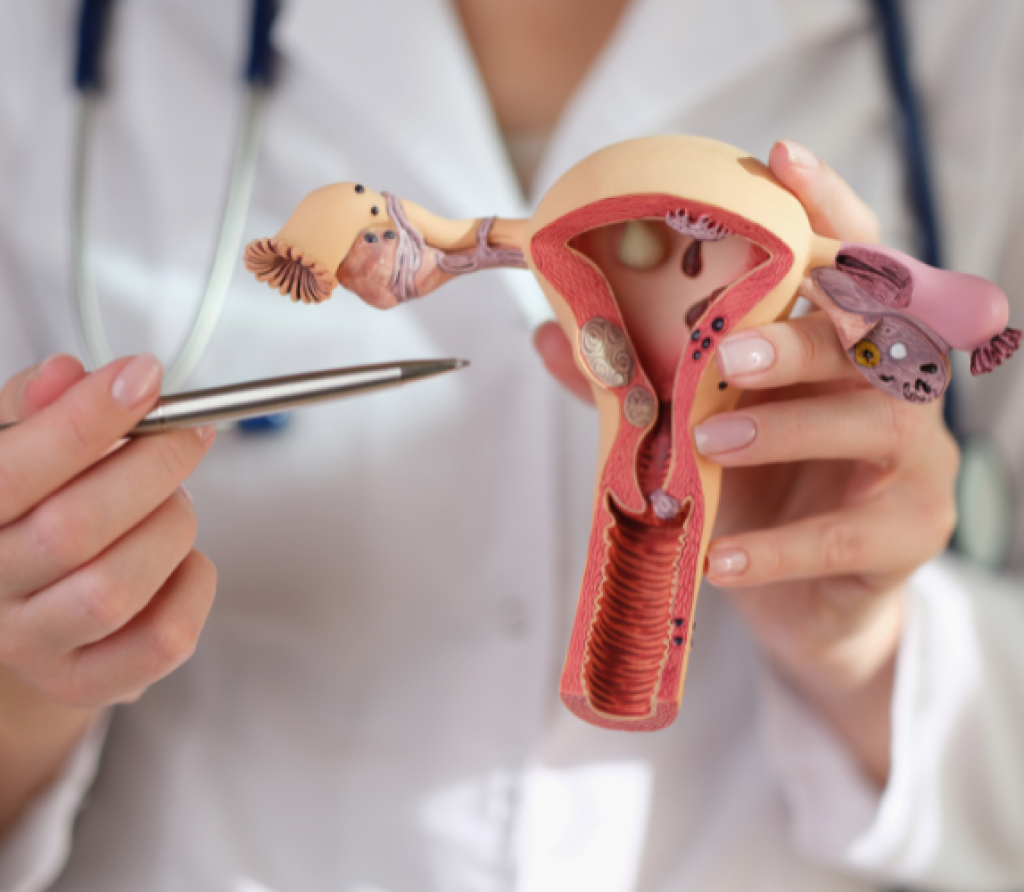
Book a laser vaginal treatment consultation at Stanford Clinics
If vaginal dryness, irritation or related symptoms are affecting your comfort, the first step is a confidential consultation with our women’s health and cosmetic gynecology team. We will listen, examine you respectfully, explain all the options, including those that do not involve laser, and help you decide what is right for you. Suitability is confirmed at consultation, and results vary from person to person.
Book your appointment online, call us or message us on WhatsApp. You can also find our contact details here.